
Vegetables · Pickled & preserved
Grape (vine) leaves in brine
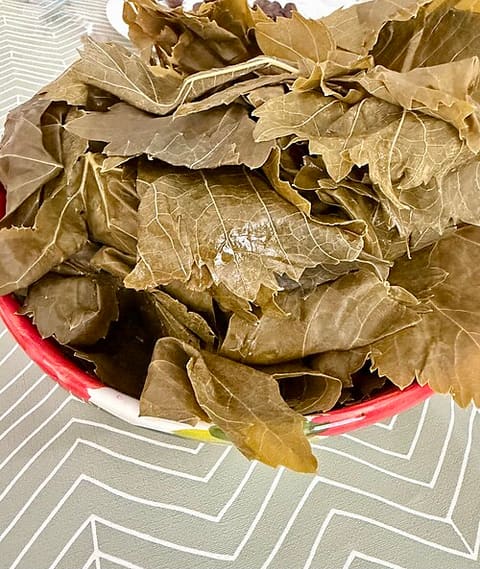
Grapevine leaves preserved in brine, rolled around rice or meat for dolma, sarma and warak enab.
Also called: vine leaves, grape leaves, dolma leaves, yaprak, warak enab
Around the world: asma yaprağı (tr) · waraq enab (ar) · tolma leaves (hy)
Photo: Oksana Makarenko ( UA-Lora ), via Wikimedia Commons (CC-BY-SA-4.0)
What it is
Grape (vine) leaves are the large, lobed leaves of the grapevine, sold in brine in jars or vacuum packs, and sometimes fresh in season. Brined leaves are soft, olive-green and salty and are rinsed before use. They are used mainly as edible wrappers rather than as a green vegetable.
How it’s used
- Rolled around rice and herbs for dolma and warak enab
- Stuffed with meat and rice for sarma
- Wrapping fish or cheese for grilling
- Lining pots for stuffed vegetables
Characteristics
Storage
Refrigerated. Keep unopened jars in the pantry; refrigerate opened leaves covered in their brine.
Diet, allergens and safety
No major allergens in typical versions. May contain Sulphites — check the label.
- Vegetarian
- Vegan
- Dairy-free
- Egg-free
- Gluten-free
- Nut-free
- Soy-free
- Caffeine-free
Nutrition per 100 g
- Energy
- 69 kcal
- Protein
- 4.27 g
- Carbohydrate
- 11.71 g
- Fat
- 1.97 g
- Fibre
- 9.9 g
- Sugars
- — g
USDA FoodData Central: Grape leaves, canned.
Substitutes
Optional — what works if you don’t have it, and how it changes the dish.
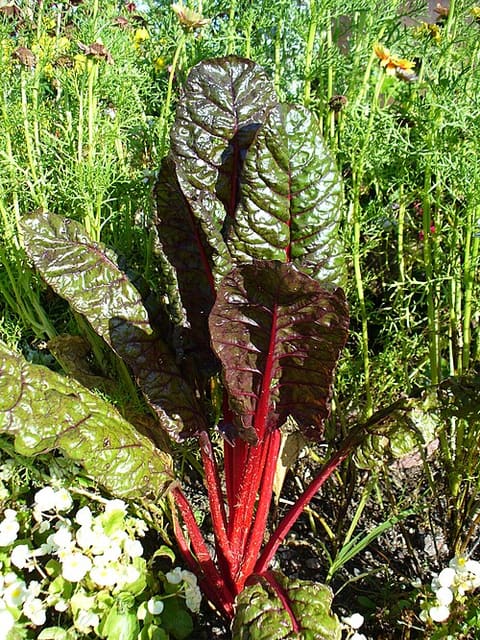
- Swiss chard — Blanched leaves for rolling; milder.
- Cabbage — Blanched leaves for larger rolls.
Related ingredients
Recipes with grape (vine) leaves in brine
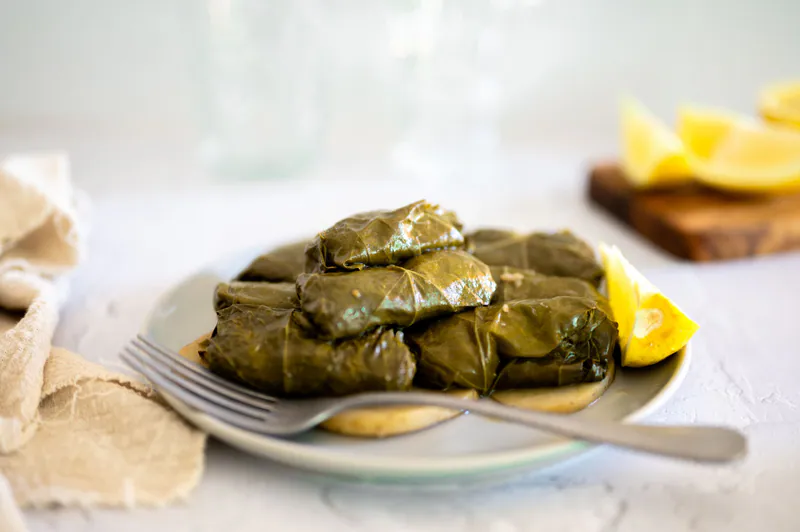
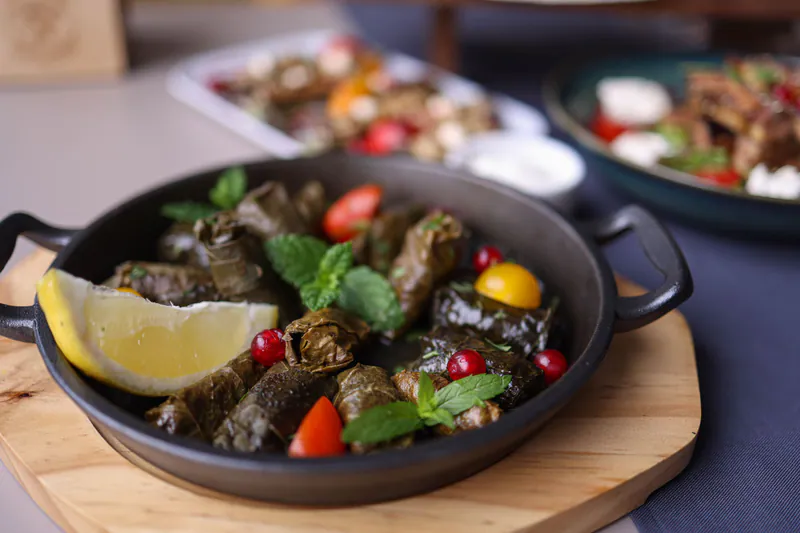
Dolmadakia (rice-stuffed vine leaves)
 Greek · 2 h 45 min · 382 kcal · Vegetarian
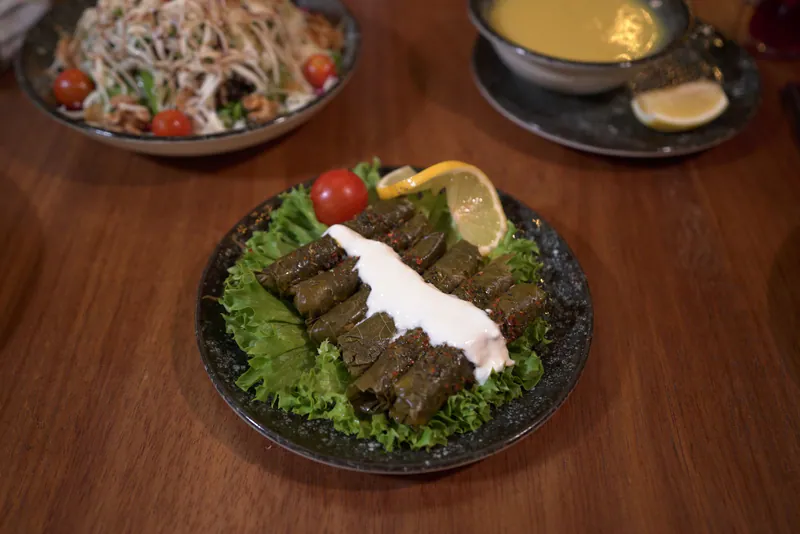
Iraqi dolma
 Iraqi · 2 h 30 min · 438 kcal
Koupepia
 Cypriot · 1 h 55 min · 494 kcal
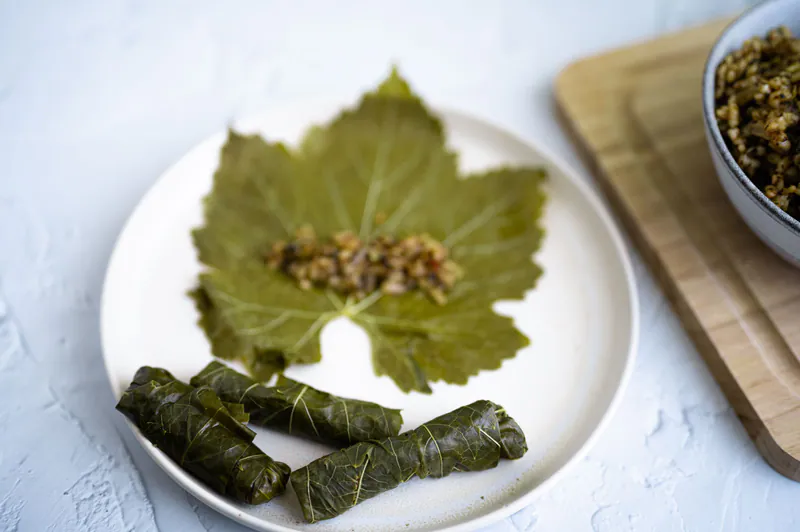
Yalanji
 Syrian · 2 h 50 min · 303 kcal · Vegan
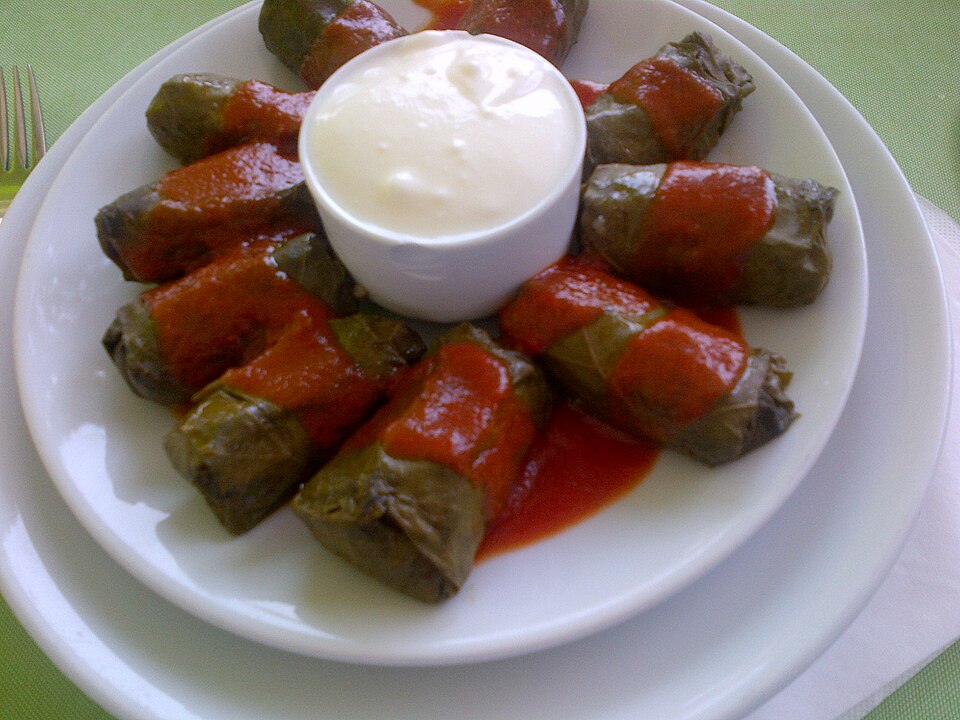
Yarpaq dolması
 Azerbaijani · 2 h · 429 kcal
More pickled & preserved
Pickled & preserved
Canned tomatoes
Peeled tomatoes packed in juice, whole, chopped or crushed; a reliable base for sauces, soups and stews.
43 recipes
Pickled & preserved
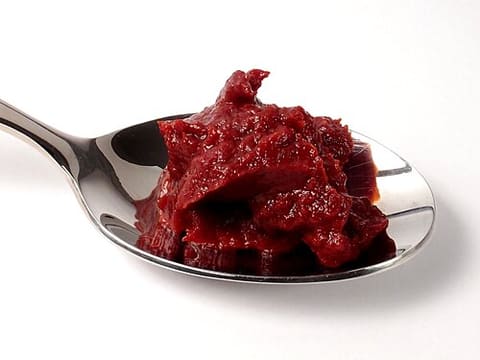
Tomato paste
Thick, concentrated cooked tomato sold in tubes, cans or jars, used by the spoonful for colour and depth.
114 recipes
Pickled & preserved
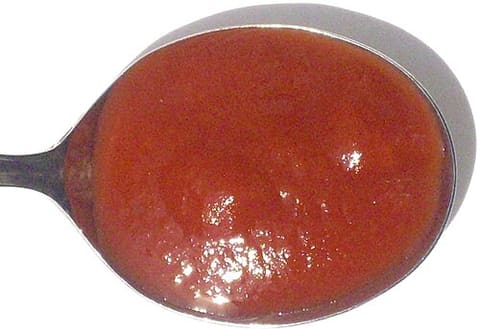
Tomato passata
Smooth, uncooked tomato purée strained of skins and seeds, sold in bottles or cartons as a ready sauce base.
20 recipes
Pickled & preserved
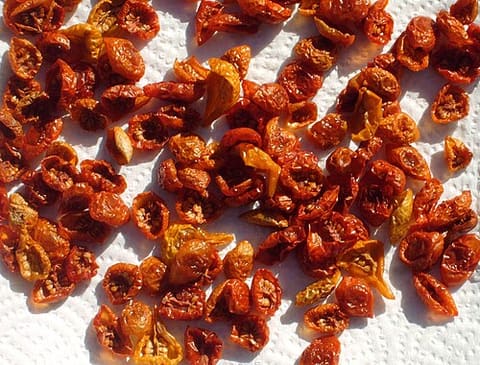
Sun-dried tomatoes
Tomato halves dried until chewy and intensely sweet-savoury, sold dry or packed in oil.
No recipes yet
Pickled & preserved
Roasted red peppers (jarred)
Red peppers roasted, peeled and preserved in jars; soft, smoky and ready for dips, salads and sauces.
5 recipes
Pickled & preserved
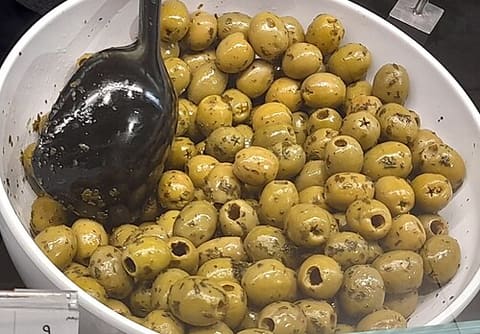
Black olives
Cured black or dark olives, such as Kalamata, eaten as a snack and used in salads, pizzas, stews and tapenade.
39 recipes
Pickled & preserved
Green olives
Unripe olives cured in brine; firm, tangy and often stuffed with pimiento, garlic or almond.
15 recipes
Pickled & preserved
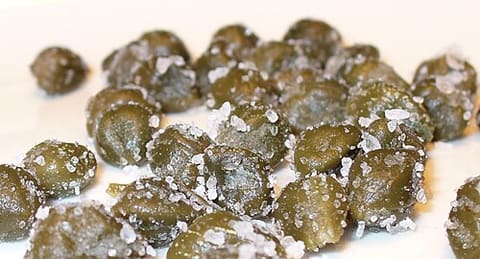
Capers
Small pickled flower buds of the caper bush, adding salty, tangy bursts to sauces, salads and fish.
21 recipes