
Vegetables · Leafy greens
Swiss chard
Leafy green with broad leaves and thick white, red or yellow stems, cooked like spinach.
Also called: chard, silverbeet, pazı
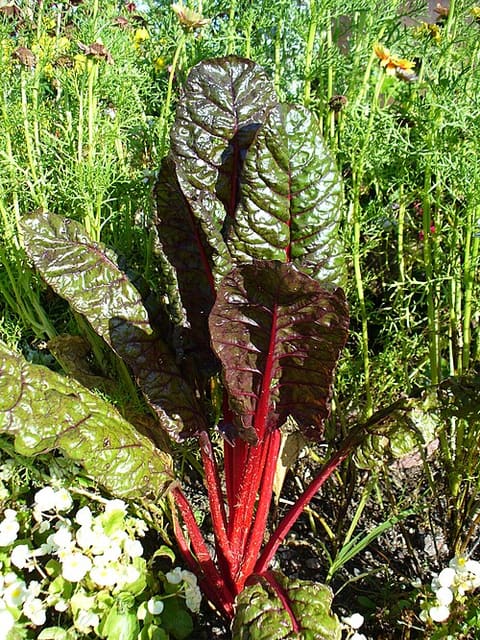
Photo: Neelix at English Wikipedia, via Wikimedia Commons (public-domain)
What it is
Swiss chard (silverbeet) is a beet relative grown for its large, glossy leaves and crunchy stems in white, red, yellow or pink ('rainbow chard'). It is earthier and sturdier than spinach. The stems take longer to cook than the leaves and are usually cut out and cooked first.
Beta vulgaris (Cicla group)
How it’s used
- Sautéed with garlic and olive oil
- Added to soups, stews and lentils
- Baked into gratins, tarts and pies
- Stuffed leaves (sarma-style)
- Stems braised separately
Characteristics
- Taste
- Earthy, mildly bitter and beet-like.
- Texture
- Leaves tender when cooked; stems crisp and juicy.
- When cooked
- Leaves wilt quickly; stems need a few extra minutes. Red stems can bleed colour.
- Sold as
- fresh
- Cooking uses
- Commonly cooked, Suitable for boiling
Storage
Refrigerated. Refrigerate loosely wrapped and use within a few days, before leaves wilt or yellow.
Diet, allergens and safety
No major allergens in typical versions.
- Vegetarian
- Vegan
- Dairy-free
- Egg-free
- Gluten-free
- Nut-free
- Soy-free
- Caffeine-free
Nutrition per 100 g
- Energy
- 19 kcal
- Protein
- 1.8 g
- Carbohydrate
- 3.74 g
- Fat
- 0.2 g
- Fibre
- 1.6 g
- Sugars
- 1.1 g
USDA FoodData Central: Chard, swiss, raw.
Substitutes
Optional — what works if you don’t have it, and how it changes the dish.
Related ingredients
Recipes with swiss chard
Louvi me lahana
 Cypriot · 50 min · 423 kcal · Vegan
Torta pascualina
 Uruguayan · 1 h 40 min · 544 kcal · Contains egg
More leafy greens
Leafy greens
Spinach
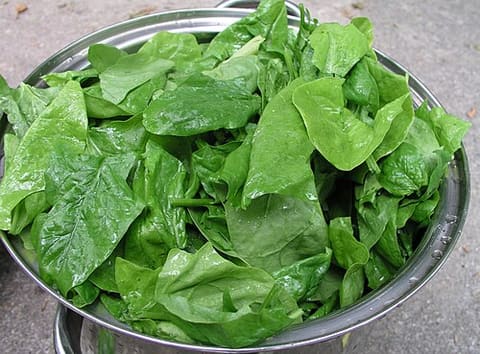
Tender dark-green leaves eaten raw as baby spinach or wilted into curries, pies, pastas and soups.
57 recipes
Leafy greens
Kale
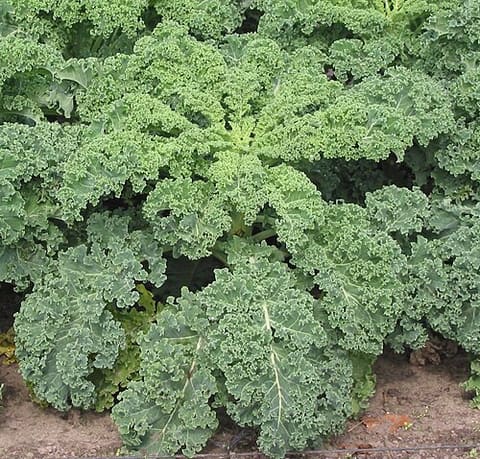
Sturdy brassica green with curly or flat dark leaves, eaten massaged raw, sautéed, braised or baked into crisps.
10 recipes
Leafy greens
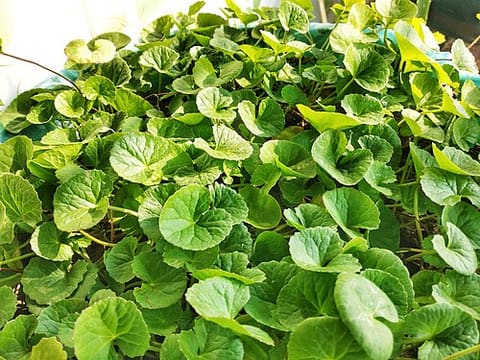
Gotu kola
Small round-leaved herb (Asiatic pennywort) eaten fresh in Sri Lankan sambols and Southeast Asian drinks.
1 recipe
Leafy greens
Mustard greens
Peppery, pungent brassica leaves cooked into sarson ka saag, stir-fries and pickles.
6 recipes
Leafy greens
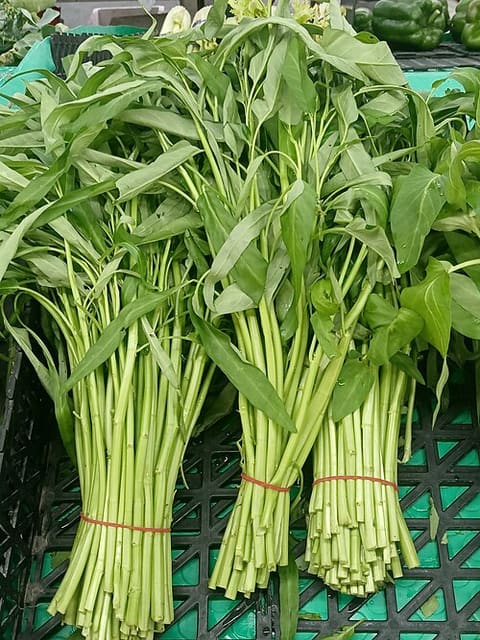
Water spinach
Hollow-stemmed green with arrow-shaped leaves (kangkung, morning glory), stir-fried quickly with garlic and chilli.
3 recipes
Leafy greens
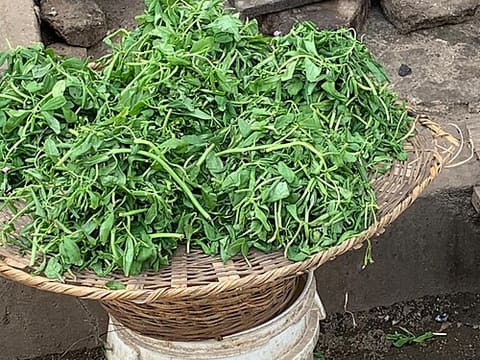
Jute leaves
Leafy green (molokhia, ewedu) that turns silky and slippery when cooked; base of Egyptian and West African soups.
2 recipes
Leafy greens
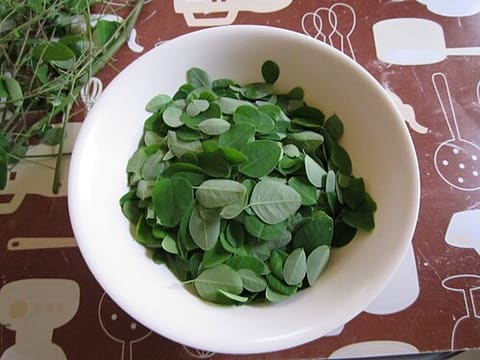
Moringa leaves
Tiny oval leaves of the drumstick tree, cooked into curries, soups and stews or dried to a powder.
1 recipe
Leafy greens
Sweet potato leaves
Tender leaves and shoots of the sweet potato vine, stewed in West African sauces or stir-fried in Asia.
2 recipes