
Grains, rice & flours · Gluten-free flours
Cassava flour
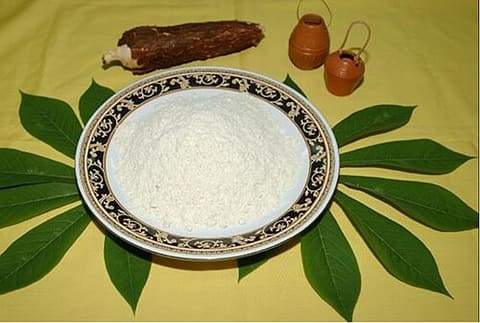
Whole dried cassava root ground to a fine flour; the most wheat-like of gluten-free flours.
Also called: kondowole flour, manioc flour, fufu flour (cassava), yuca flour, farinha de mandioca
Around the world: farinha de mandioca (pt) · farine de manioc (fr)
What it is
Cassava flour is made by peeling, drying and grinding the whole cassava (manioc, yuca) root, so it contains the fibre as well as the starch. That makes it different from tapioca starch, which is the extracted starch alone. It is powdery and absorbent and can stand in for wheat flour in many tortillas and flatbreads. In Brazil, farinha de mandioca is a coarser, toasted cassava meal.
Manihot esculenta
How it’s used
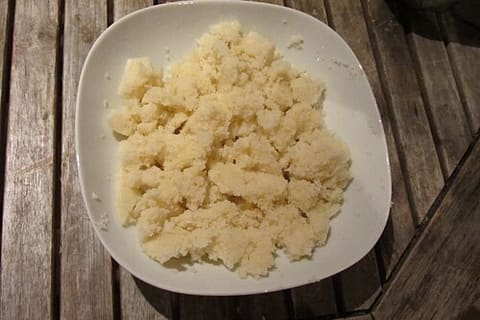
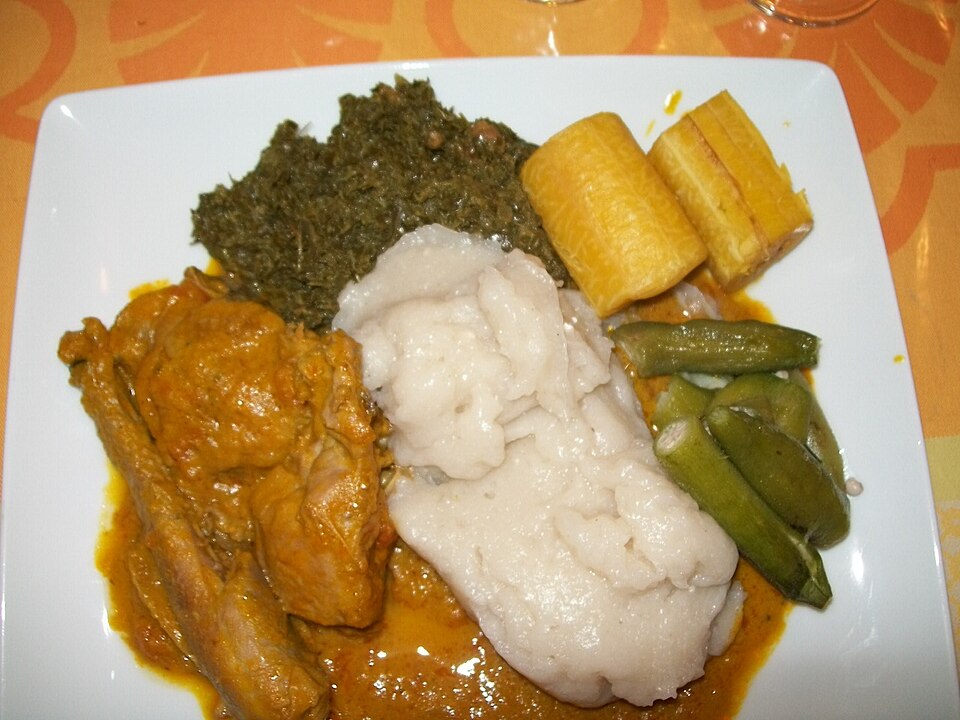
- Fufu, kondowole and other swallow foods
- Gluten-free tortillas and flatbreads
- Grain-free baking
- Farofa (coarse meal)
Characteristics
Storage
Pantry-stable. Airtight in a cool, dry place.
Diet, allergens and safety
No major allergens in typical versions.
- Vegetarian
- Vegan
- Dairy-free
- Egg-free
- Gluten-free
- Nut-free
- Soy-free
- Caffeine-free
- Made from processed cassava, which is safe; never eat raw cassava root, which can contain cyanogenic compounds removed by proper processing.
Nutrition per 100 g
- Energy
- 358 kcal
- Protein
- 0.19 g
- Carbohydrate
- 88.69 g
- Fat
- 0.02 g
- Fibre
- 0.9 g
- Sugars
- 3.35 g
USDA FoodData Central: Tapioca, pearl, dry (a close stand-in).
Substitutes
Optional — what works if you don’t have it, and how it changes the dish.
- Gluten-free flour blend — In baking, 1:1 by weight as a starting point; cassava absorbs more liquid.
Related ingredients
Recipes with cassava flour
Banku with okra stew
 Ghanaian · 1 h 5 min · 640 kcal
Farofa
 Brazilian · 20 min · 231 kcal
Funge
 Angolan · 12 min · 269 kcal · Vegan
Kondowole
 Malawian · 17 min · 269 kcal · Vegan
More gluten-free flours
Gluten-free flours
Rice flour
Finely milled white rice; gluten-free, gives crisp batters and tender, sandy textures, but cannot form gluten.
35 recipes
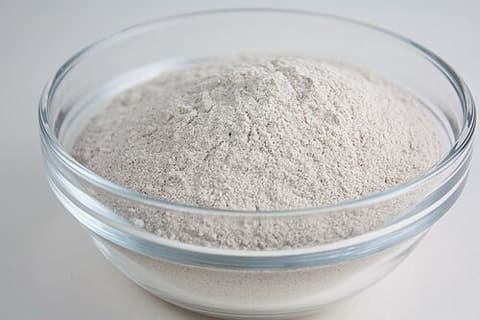
Gluten-free flours
Buckwheat flour
Grey-brown, earthy flour from buckwheat; gluten-free, used for galettes, blini, soba and kuttu puris.
4 recipes
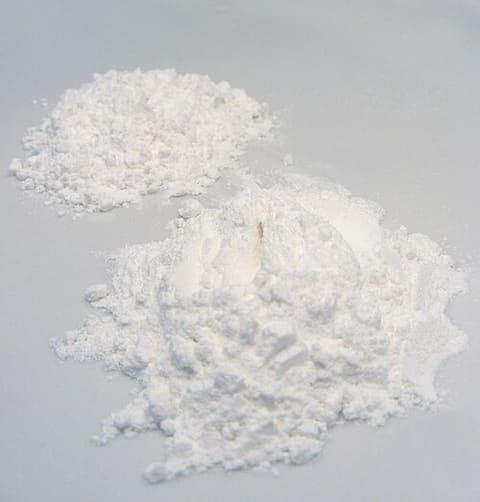
Gluten-free flours
Glutinous rice flour
Flour from sticky rice that cooks to a smooth, stretchy, chewy dough; essential for mochi and tang yuan.
6 recipes
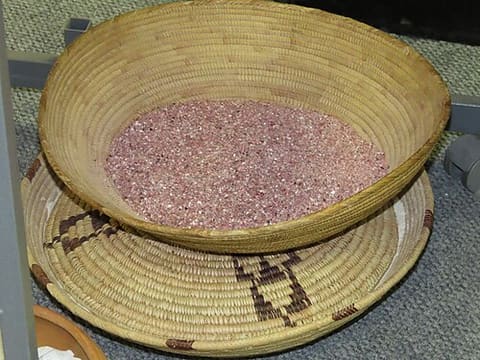
Gluten-free flours
Sorghum meal
Mild, slightly sweet gluten-free meal from sorghum grain; used for jowar roti, stiff porridges and gluten-free baking.
6 recipes
Gluten-free flours
Pearl millet flour
Grey, earthy flour from pearl millet (bajra, mahangu); gluten-free, used for flatbreads and stiff porridges.
7 recipes
Gluten-free flours
Oat flour
Finely ground oats; tender, slightly sweet and absorbent, used in gluten-free and wholegrain baking.
No recipes yet
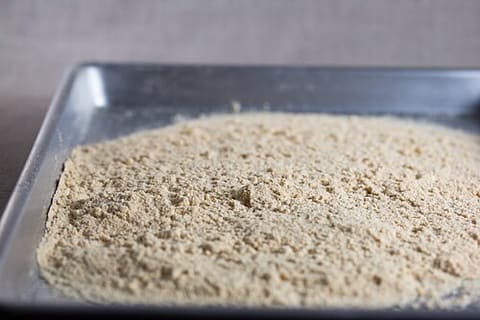
Gluten-free flours
Coconut flour
Very absorbent, fibre-rich flour from dried, defatted coconut; used in small amounts with plenty of egg.
No recipes yet
Gluten-free flours
Gluten-free flour blend
A ready-mixed blend of gluten-free flours and starches, usually with a gum, designed to stand in for plain flour.
2 recipes