
Vegetables · Root vegetables
Yam (ñame)
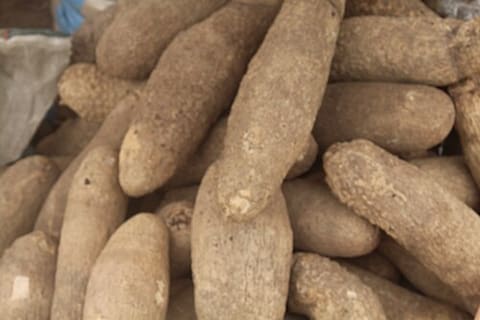
True yam (ñame): a large, rough-skinned, starchy tuber with white flesh, boiled, fried or pounded.
Also called: ñame, name, white yam, true yam, dioscorea
Around the world: ñame (es)
Photo: Dorcas Atule, via Wikimedia Commons (CC-BY-SA-4.0)
What it is
True yams have thick, bark-like brown skin and dense, white to yellow (sometimes purple) flesh. They are drier and starchier than sweet potatoes, which are often wrongly called yams in North America. West African white yam is pounded into iyan; Caribbean ñame is boiled in sancocho.
Dioscorea species
How it’s used
- Pounded yam (iyan) with soups
- Boiled and served with stews
- Fried as yam chips
- Simmered in sancocho and soups
- Yam porridge (asaro)
Characteristics
- Taste
- Mild, earthy and starchy.
- Texture
- Dry and firm; fluffy or stretchy when pounded.
- When cooked
- Holds shape when boiled; becomes elastic when pounded hot.
- Sold as
- fresh, frozen, powder
- Cooking uses
- Commonly cooked, Suitable for boiling, Suitable for frying
- Common in
- Nigerian, Ghanaian, West African, Caribbean, Dominican, Puerto Rican, Jamaican
Storage
Cool, dry and dark. Store whole yams in a cool, dry, dark, airy place. Wrap cut ends and use soon.
Diet, allergens and safety
No major allergens in typical versions.
- Vegetarian
- Vegan
- Dairy-free
- Egg-free
- Gluten-free
- Nut-free
- Soy-free
- Caffeine-free
- Raw yam can irritate skin and should always be cooked.
Nutrition per 100 g
- Energy
- 118 kcal
- Protein
- 1.53 g
- Carbohydrate
- 27.88 g
- Fat
- 0.17 g
- Fibre
- 4.1 g
- Sugars
- 0.5 g
USDA FoodData Central: Yam, raw.
Substitutes
Optional — what works if you don’t have it, and how it changes the dish.
Related ingredients
Recipes with yam (ñame)
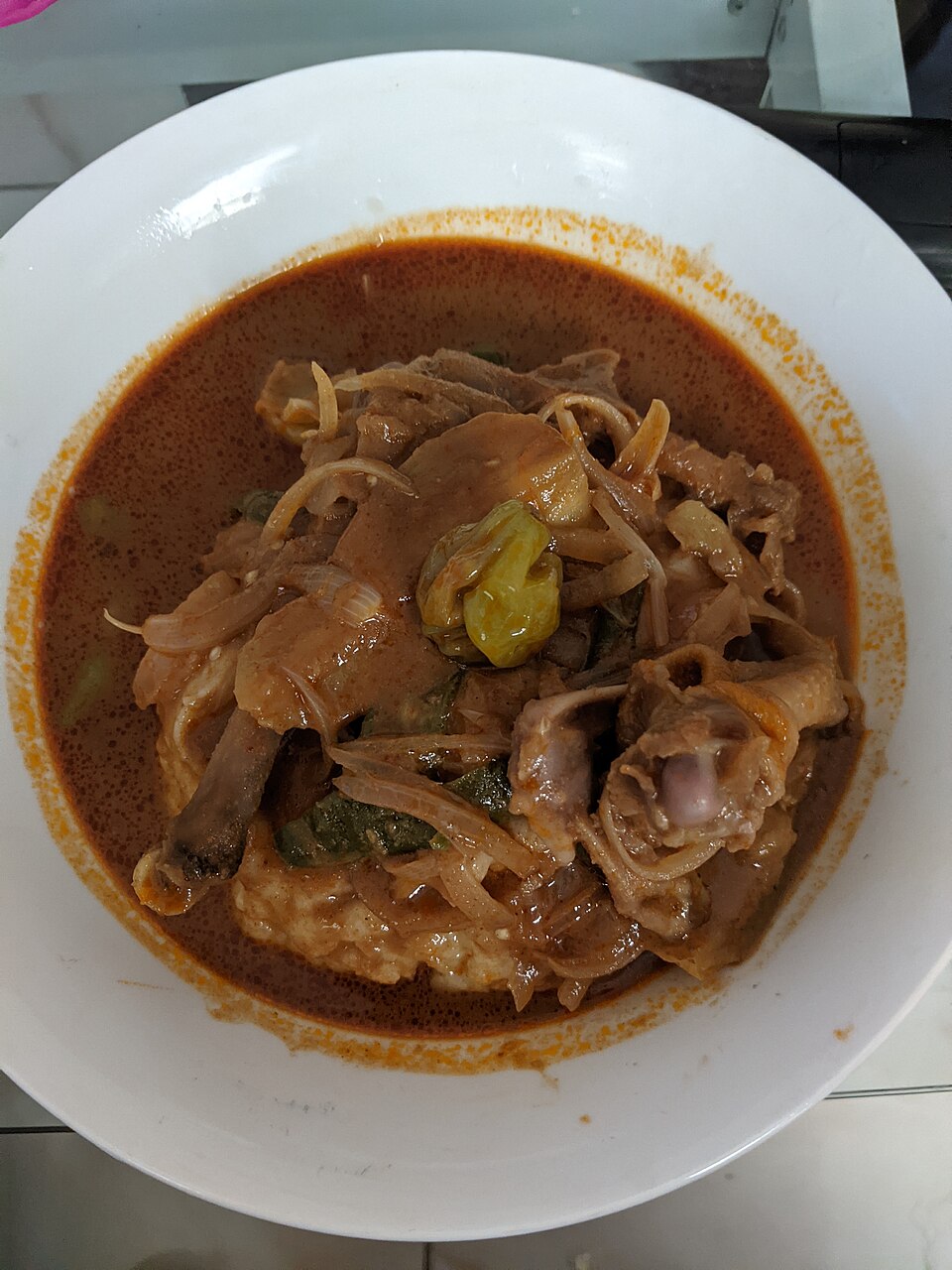
Azi dessi with fufu
 Togolese · 1 h 30 min · 749 kcal
Pounded yam
 Nigerian · 40 min · 295 kcal · Vegan
Sancocho panameño
 Panamanian · 1 h 50 min · 699 kcal
More root vegetables
Root vegetables
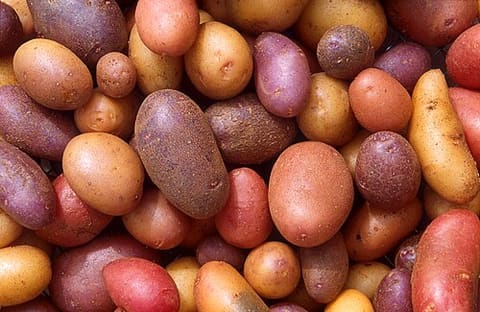
Potato
Starchy tuber with thin skin and pale flesh, eaten boiled, mashed, roasted, fried or simmered in curries worldwide.
225 recipes
Root vegetables
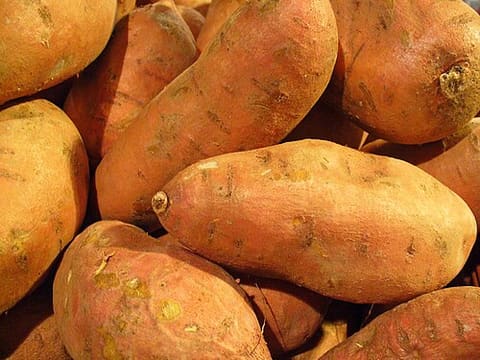
Sweet potato
Sweet, orange- or pale-fleshed root that roasts, mashes and bakes well; not a true yam despite the US nickname.
19 recipes
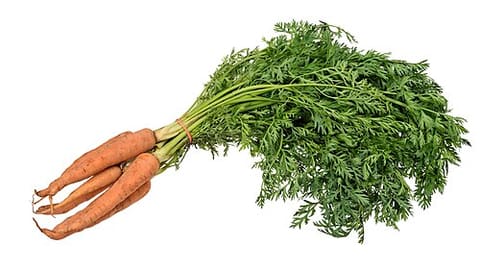
Root vegetables
Carrot
Crunchy orange root, sweet raw or cooked, used in salads, stews, stocks, curries and cakes.
183 recipes
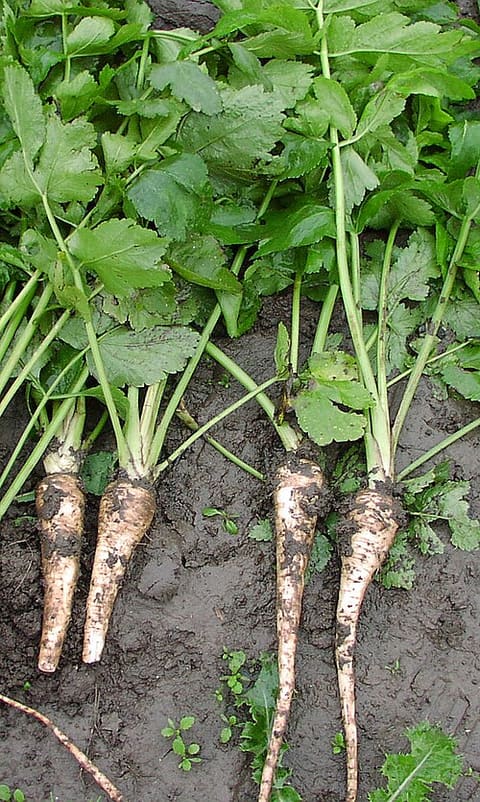
Root vegetables
Parsnip
Cream-coloured carrot-like root with sweet, nutty, aromatic flesh; best roasted, mashed or in soups.
11 recipes
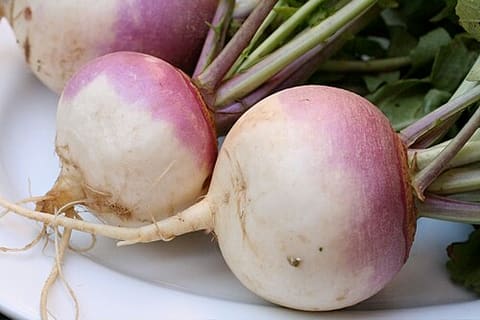
Root vegetables
Turnip
Round white root with a purple top and peppery flesh, cooked in stews, curries and pickles.
9 recipes
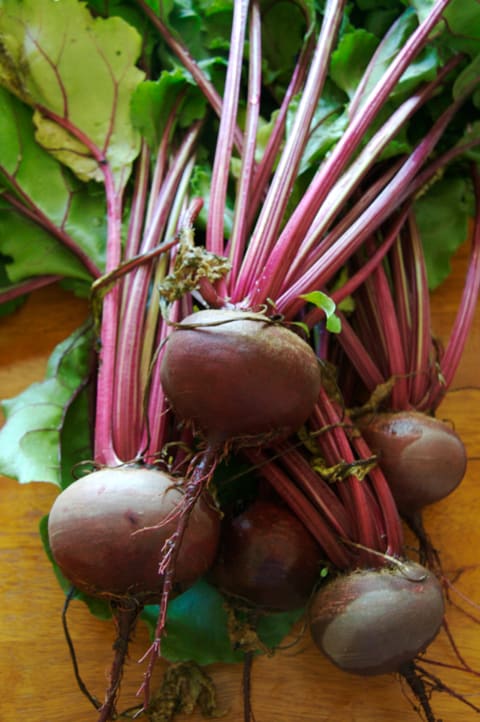
Root vegetables
Beetroot
Earthy, sweet root with deep red flesh, roasted, boiled, pickled or grated raw into salads.
12 recipes
Root vegetables
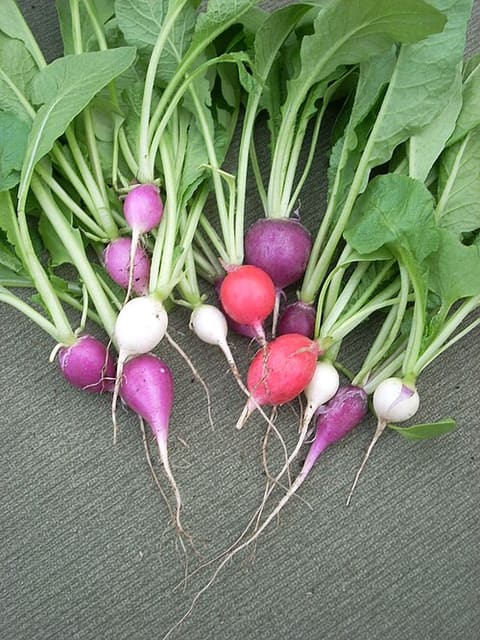
Radish
Small, crisp red or pink root with a peppery bite, mostly eaten raw in salads or as a crunchy garnish.
27 recipes
Root vegetables
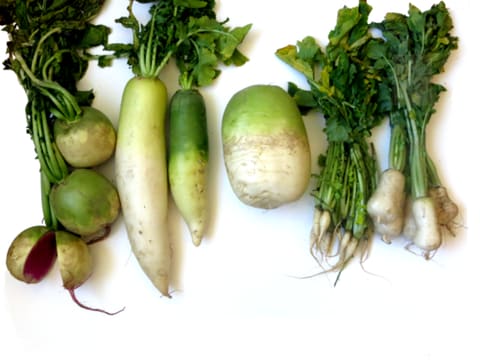
Daikon
Long white radish (mooli) with juicy, mildly peppery flesh, eaten raw, pickled, braised or stuffed into parathas.
23 recipes