
Vegetables · Leafy greens
Afang leaves (okazi)
Tough, glossy leaves of a wild West African vine (okazi, eru), finely shredded for Nigerian afang soup and Cameroonian eru.
Also called: afang, okazi, ukazi, eru, wild spinach (Gnetum), gnetum leaves, okok
What it is
Afang is the leaf of a forest climbing plant (Gnetum africanum) from Nigeria and Cameroon. The leaves are dark green, leathery and fibrous, so they are sliced very thinly or pounded before cooking. In Efik and Ibibio cooking they are combined with soft waterleaf in afang soup; in Cameroon they make eru. They are sold fresh, ready-shredded or dried.
Gnetum africanum
How it’s used
- Afang soup with waterleaf, meat, fish and palm oil
- Eru (Cameroon)
- Okazi in Igbo soups such as ofe okazi
Characteristics
- Taste
- Mild, slightly nutty and earthy.
- Texture
- Firm and chewy even after cooking.
- When cooked
- Shred as finely as possible, or pound or blend briefly, so it softens in the soup.
- Sold as
- fresh, dried, frozen
- Cooking uses
- Commonly cooked, Suitable for boiling
- Common in
- Nigerian, Cameroonian, West African
Storage
Refrigerated. Keep fresh leaves wrapped in the fridge for about a week; shredded leaves freeze well. Dried leaves keep for months.
Diet, allergens and safety
No major allergens in typical versions.
- Vegetarian
- Vegan
- Dairy-free
- Egg-free
- Gluten-free
- Nut-free
- Soy-free
- Caffeine-free
Nutrition per 100 g
- Energy
- 35 kcal
- Protein
- 2.92 g
- Carbohydrate
- 4.42 g
- Fat
- 1.49 g
- Fibre
- 4.1 g
- Sugars
- 0.99 g
USDA FoodData Central: Kale, raw (a close stand-in).
Substitutes
Optional — what works if you don’t have it, and how it changes the dish.
- Kale — Shredded very finely; the closest chewy texture.
- Collard greens — Finely sliced.
Related ingredients
Recipes with afang leaves (okazi)
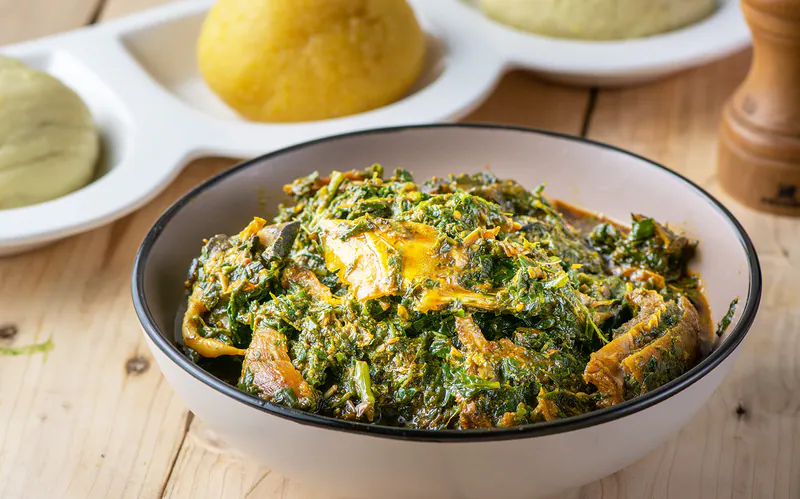
Afang soup
 Nigerian · 1 h 40 min
More leafy greens
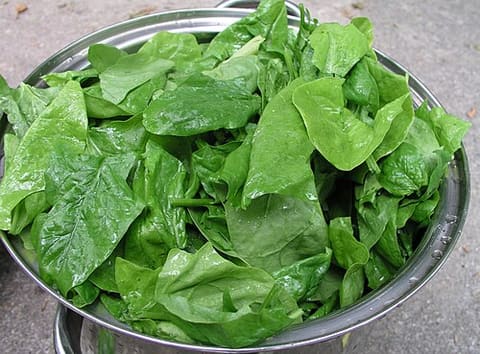
Leafy greens
Spinach
Tender dark-green leaves eaten raw as baby spinach or wilted into curries, pies, pastas and soups.
71 recipes
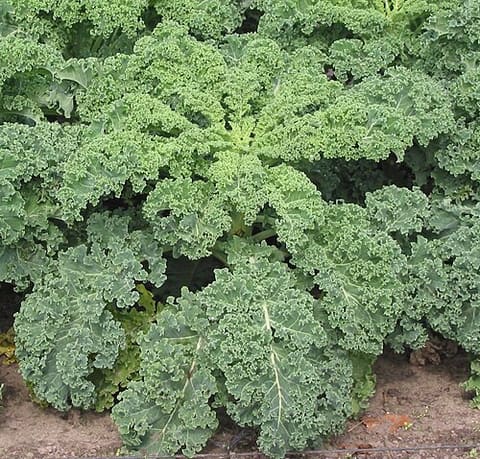
Leafy greens
Kale
Sturdy brassica green with curly or flat dark leaves, eaten massaged raw, sautéed, braised or baked into crisps.
10 recipes
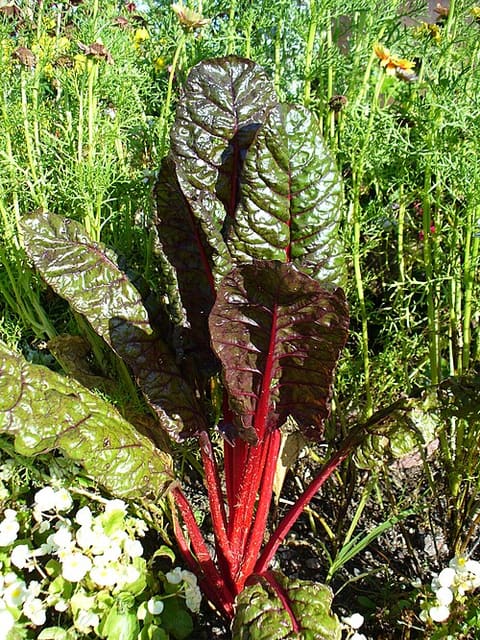
Leafy greens
Swiss chard
Leafy green with broad leaves and thick white, red or yellow stems, cooked like spinach.
8 recipes
Leafy greens
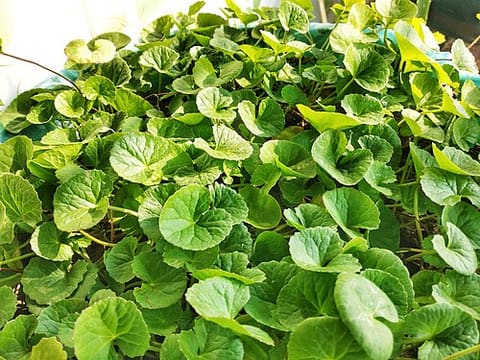
Gotu kola
Small round-leaved herb (Asiatic pennywort) eaten fresh in Sri Lankan sambols and Southeast Asian drinks.
1 recipe
Leafy greens
Mustard greens
Peppery, pungent brassica leaves cooked into sarson ka saag, stir-fries and pickles.
7 recipes
Leafy greens
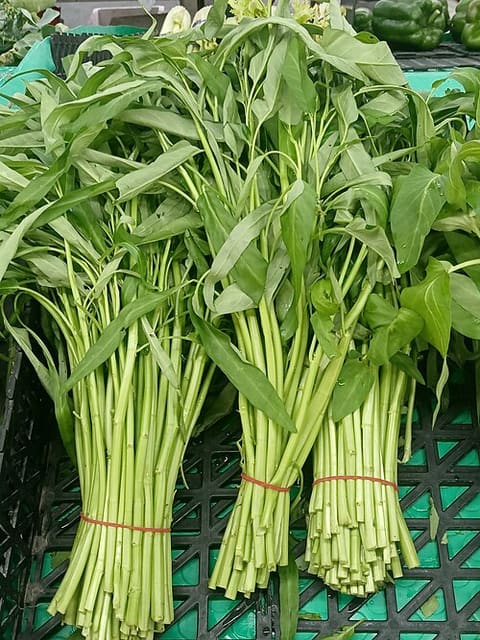
Water spinach
Hollow-stemmed green with arrow-shaped leaves (kangkung, morning glory), stir-fried quickly with garlic and chilli.
11 recipes
Leafy greens
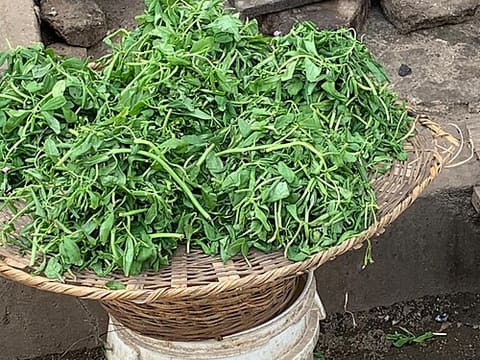
Jute leaves
Leafy green (molokhia, ewedu) that turns silky and slippery when cooked; base of Egyptian and West African soups.
3 recipes
Leafy greens
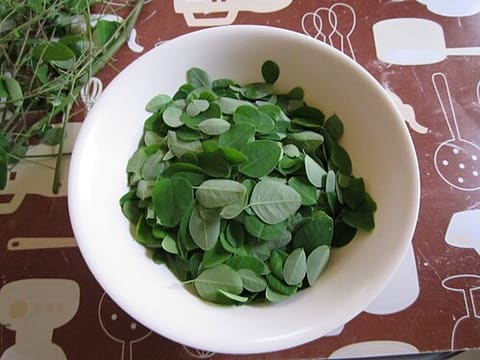
Moringa leaves
Tiny oval leaves of the drumstick tree, cooked into curries, soups and stews or dried to a powder.
3 recipes