
 Spanish · Costa Rican · Pastries
Rosquillas de anís (anise ring doughnuts)
Contains egg (no meat or fish)
Rosquillas de anís
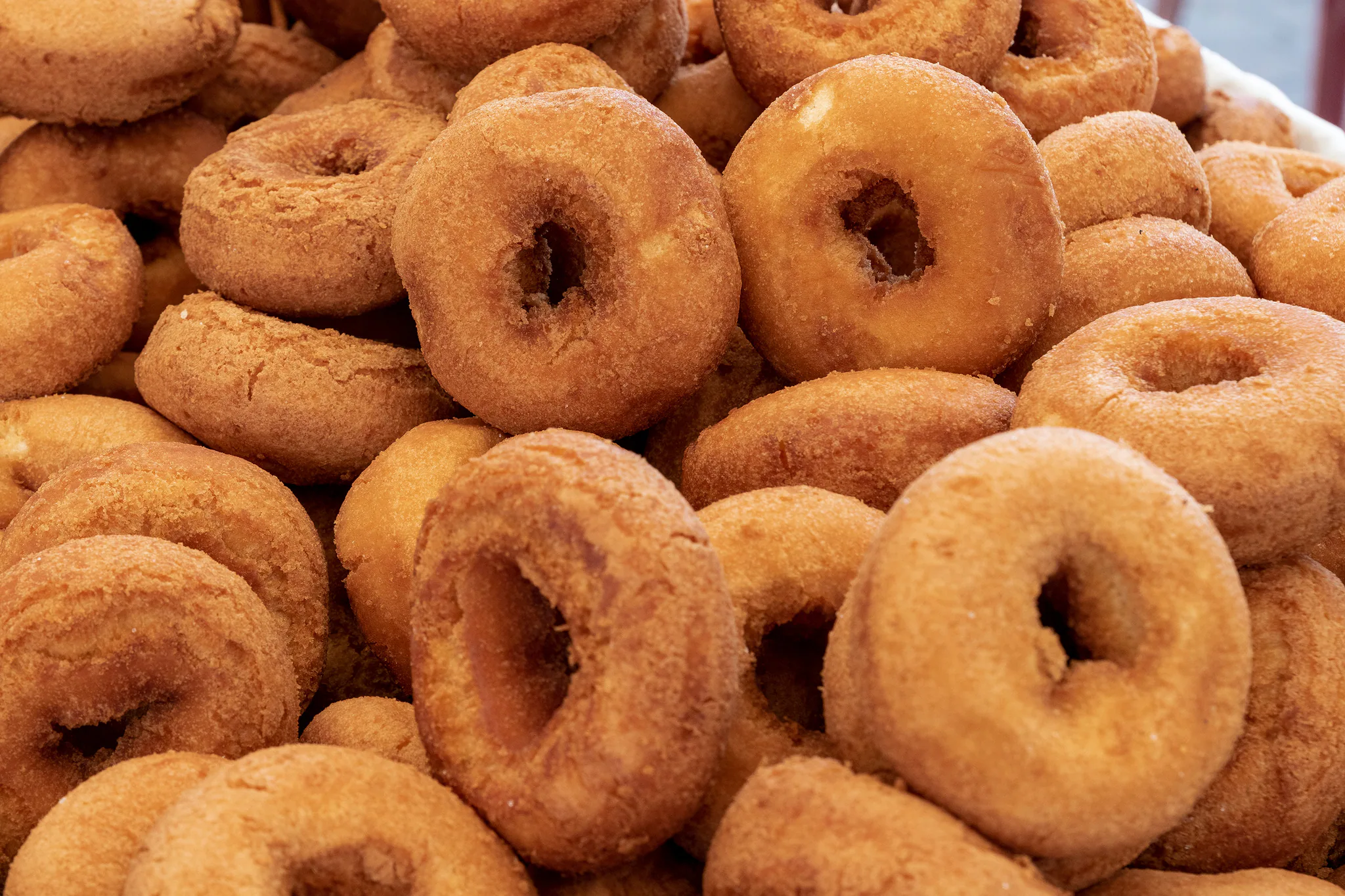
Small, fluffy fried ring doughnuts scented with anise liqueur and lemon zest, rolled in cinnamon sugar while warm. Made by Spanish families for Holy Week, the same doughnuts are also baked at home in Latin American kitchens, including Costa Rica.
Rosquillas de anís (anise ring doughnuts) is a Spanish pastry from Spain, ready in about 1 hour 25 minutes and made with anise liqueur (anisette), lemon zest and all-purpose flour. It serves 8 and is rated intermediate to cook.
- Prep
- 30 min
- Cook
- 25 min
- Rest
- 30 min
- Total
- 1 h 25 min
- Serves
- 8
- Level
- Intermediate
- Calories
- 436
Main ingredients
Ingredients
For the dough
For frying
For coating
Method
Dough
26 minStep 1
Whisk (opens in a new tab) the eggs (opens in a new tab) and sugar (opens in a new tab) until pale and slightly thick. Whisk in the milk (opens in a new tab), olive oil (opens in a new tab), anisette, anise seed (opens in a new tab) and lemon zest (opens in a new tab).
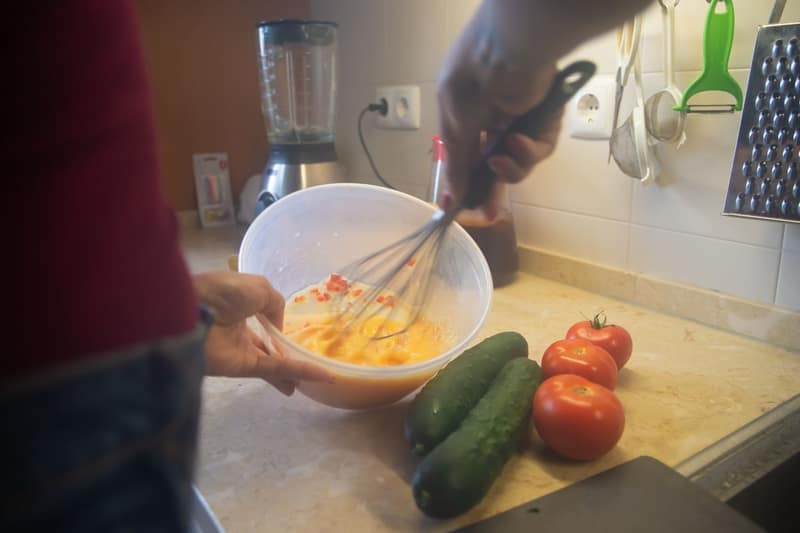
How it looks · Photo: Kampus Production on Pexels Step 2
Sift in the flour with the baking powder (opens in a new tab) gradually, mixing first with a spoon and then by hand, until you have a soft, smooth dough that barely sticks. Cover and rest for 30 minutes.
- 6 min
Step 3
With lightly oiled hands, pinch off walnut-sized pieces (about 30 g), roll each into a rope 12 cm long and join the ends into a ring, pressing to seal.
- 15 min
Frying
20 minStep 4
Heat the oil to 170 °C. Fry 4–5 rosquillas at a time for 1½–2 minutes per side, until puffed and golden. Drain on kitchen paper.
- 20 min
- 170°C
- medium heat
- Dutch oven / casserole pot (opens in a new tab)
- Food thermometer (opens in a new tab)
- Slotted spoon (opens in a new tab)
Food safety: Never leave hot oil unattended, keep the pan less than half full and keep a lid nearby to smother any flare-up.
Coating
4 minStep 5
Mix the sugar (opens in a new tab) and cinnamon (opens in a new tab) and roll the rosquillas in it while still warm.
- 4 min
At a glance
1 · Dough in a bowl
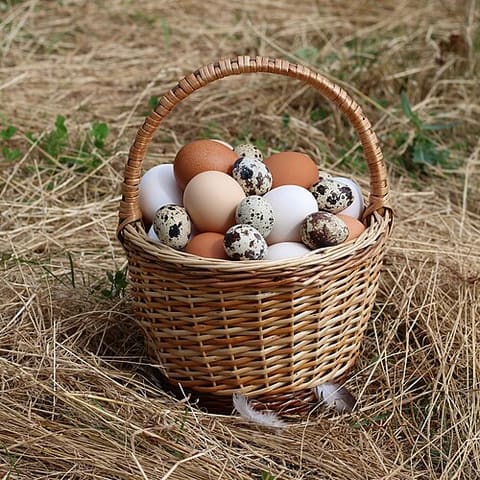 Egg
 Sugar
 Milk
 Olive oil
- Anise liqueur (anisette)
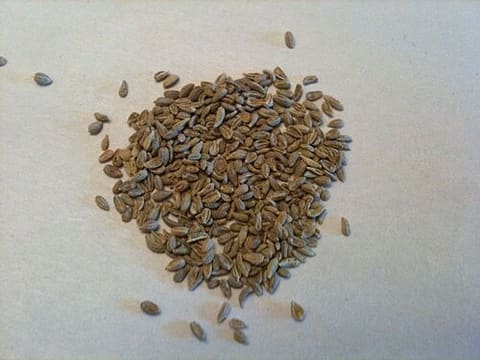 Anise seed
 Lemon zest
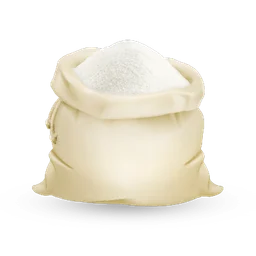 All-purpose flour
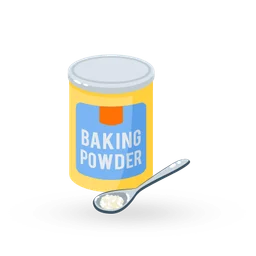 Baking powder
then heat
2 · Frying in a pan
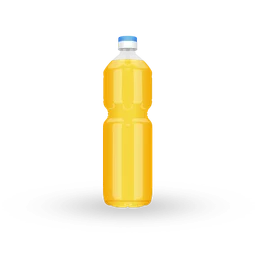 Sunflower oil
then mix
3 · Coating in a bowl
- Sugar
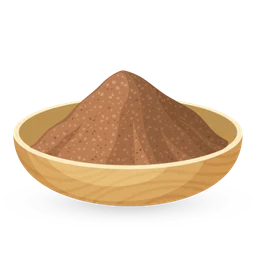 Cinnamon
About this dish
- Origin
- Spain · Commonly attributedFried rosquillas are an old Spanish Lenten and Easter sweet with many regional versions. TasteAtlas lists rosquillas under Costa Rica; in Costa Rica, Honduras and Nicaragua the name also covers baked rings of corn masa and fresh cheese.Also popular in Costa Rica, Mexico, Honduras, NicaraguaMore food from Spain
Spain - Dish
- Snack · Breakfast · Pastries · Sweets & confectionery · Fried dough & doughnuts
- Cooking method
- Deep-fried
- Taste
- sweet, aromatic / warmly spiced, citrusy
- Diet
- Vegetarian (lacto-ovo) · No nut ingredientsWorked out from the ingredients. How labels work
All labels
Vegetarian (lacto-ovo) · Eggetarian · Pescatarian · Flexitarian-friendly · No nut ingredients · Pork-free · Beef-free · DASH-style - Good for
- Festive & celebration · Make-ahead
- Cook more with
- Anise liqueur (anisette) · Lemon zest · All-purpose flour · Egg · Sugar · Milk
- Techniques
- Deep-frying
Allergens
- Contains: Milkfrom milk
- Contains: Eggsfrom egg
- Contains: Wheatfrom all-purpose flour, baking powder
- Contains: Glutenfrom all-purpose flour, baking powder
Based on typical versions of these ingredients and not verified allergen-free. Brands differ and cross-contact happens, so always check labels. For severe allergies, follow your clinician’s advice.
Nutrition
436 kcal per serving
Estimated1 serving ≈ 116 g · recipe makes 8
Where the energy comes from
- Protein 6%
- Carbohydrate 60%
- Fat 34%
| Nutrient | Per serving | Per 100 g* |
|---|---|---|
| Energy | 436 kcal | 376 kcal |
| Protein | 6.8 g | 5.9 g |
| Carbohydrate | 64.6 g | 55.8 g |
| Net carbohydrate | 62.9 g | 54.3 g |
| Sugars | 27.1 g | 23.4 g |
| Added sugars | — | — |
| Fibre | 1.7 g | 1.4 g |
| Fat | 16.3 g | 14.1 g |
| Saturated fat | 2.4 g | 2 g |
| Trans fat | — | — |
| Cholesterol | 48 mg | 41 mg |
| Sodium | 183 mg | 158 mg |
| Salt equivalent | 0.5 g | 0.4 g |
Vitamins & minerals per serving
- Potassium
- 87 mg
- Calcium
- 121 mg
- Iron
- 2.7 mg
- Magnesium
- 14 mg
- Vitamin A (RAE)
- 25 µg
- Vitamin C
- 0 mg
- Vitamin D
- —
- Vitamin B12
- 0.2 µg
- Folate (DFE)
- 145 µg
How these numbers were made
- Calculated from USDA FoodData Central (SR Legacy) per-100 g values and the listed quantities.
- *Per 100 g of combined raw ingredients; the cooked dish may weigh more or less.
- Optional ingredients are not included: anise seed.
- Anise liqueur (anisette): Coffee liqueur (53 proof) used as a stand-in; sweet anise liqueurs such as anís dulce or anisette are similarly sweet and of similar strength.
- “—” means the value isn’t known for enough of the ingredients; it is never zero by default.
- Values are estimates for guidance, not for medical dosing. U.S. Department of Agriculture, Agricultural Research Service. FoodData Central, 2019. fdc.nal.usda.gov.
Good to know
Tips
- Make the hole generous; it closes up as the dough puffs in the oil.
Common mistakes
- Adding too much flour — the rosquillas turn hard instead of fluffy.
Serve with
- Serve with hot chocolate or coffee.
Food safety
- Never leave hot oil unattended, keep the pan less than half full and keep a lid nearby to smother any flare-up.
Storage
- Keep 3–4 days in an airtight tin; they firm up but stay good for dunking.
Variations
- Rosquillas de vino (Spain): Sweet muscatel wine (moscatel) replaces the milk and anise for a richer, wine-scented dough.
- Rosquillas listas y tontas (Spain): Madrid's San Isidro rosquillas: 'tontas' are plain, 'listas' are glazed with lemon icing.
- Central American rosquillas (Honduras): In Honduras, Nicaragua and Costa Rica, small rings of corn masa, fresh cheese and butter are baked rather than fried and eaten with coffee.
Original editorial recipe · FriendsPantry editorial · source: TasteAtlas (dish facts) · Not yet independently reviewed · Added
Recipe DNA
How this dish is built
Built from the recipe’s own sections. Each band’s width is its share of the dish by weight. Choose a component to see what it does.
Structure
For the dough
- Egg2 piece · 100 g
- Sugar100 g
- Milk80 ml · 82 g
- Olive oil60 ml · 55 g
- Anise liqueur (anisette)2 tbsp · 31 g
- Anise seed, lightly crushed (optional)0.5 tsp · 1.1 g
- Lemon zest1 tsp · 2 g
- All-purpose flour380 g
- Baking powder12 g
Reviews & corrections
Reviews come from signed-in cooks and appear after a moderator checks them. We never show made-up ratings.
You might also like
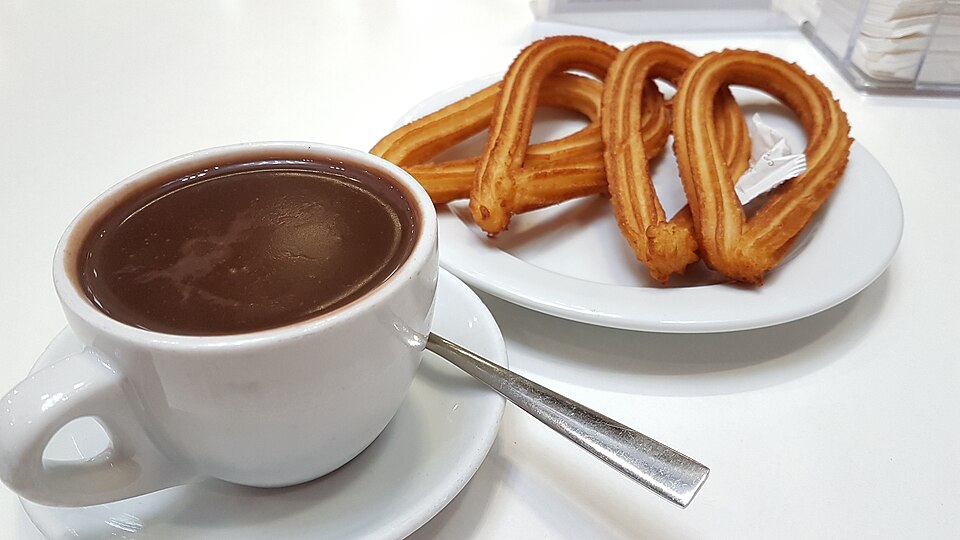
Churros con chocolate
Spanish · 55 min · 683 kcal · Vegetarian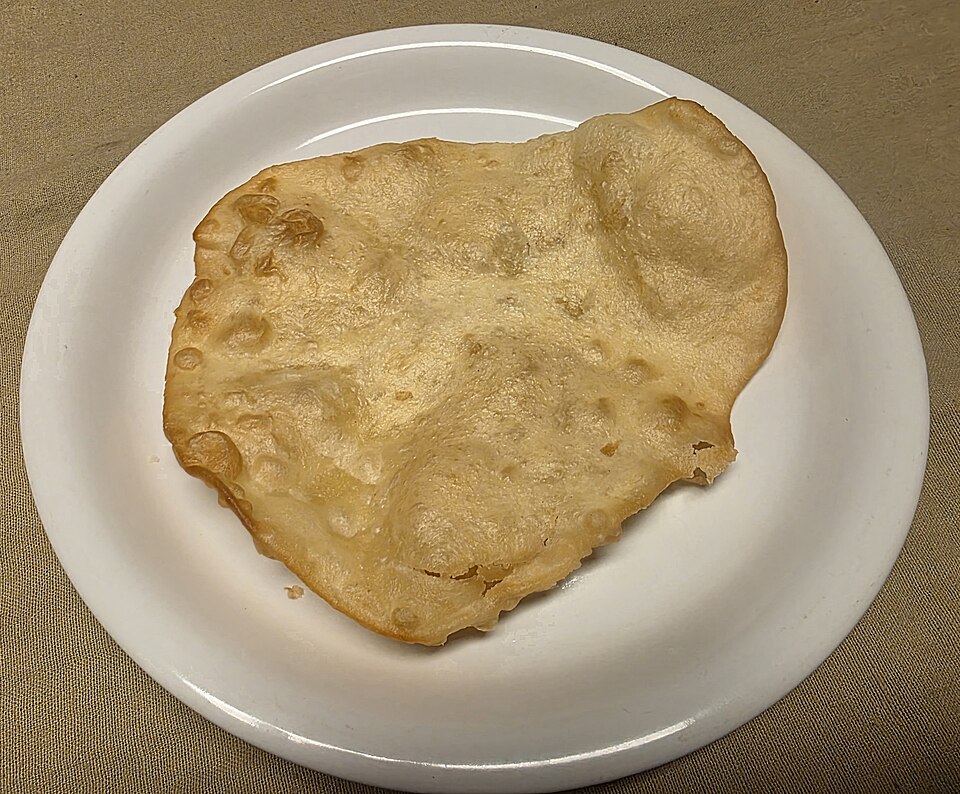
Torta frita
 Uruguayan · 1 h · 482 kcal
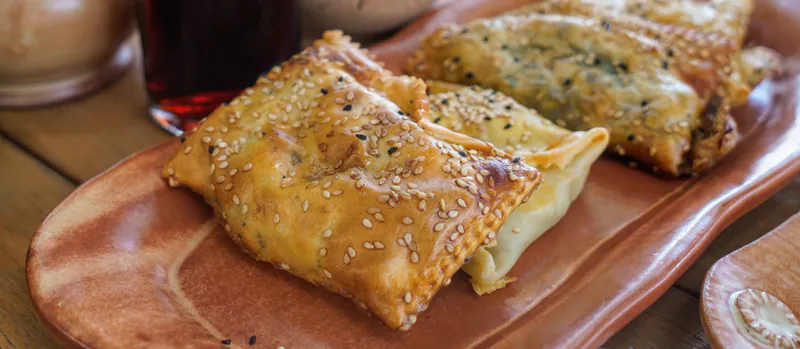
Kalitsounia (Cretan cheese pastries)
 Greek · 1 h 45 min · 343 kcal · Contains egg
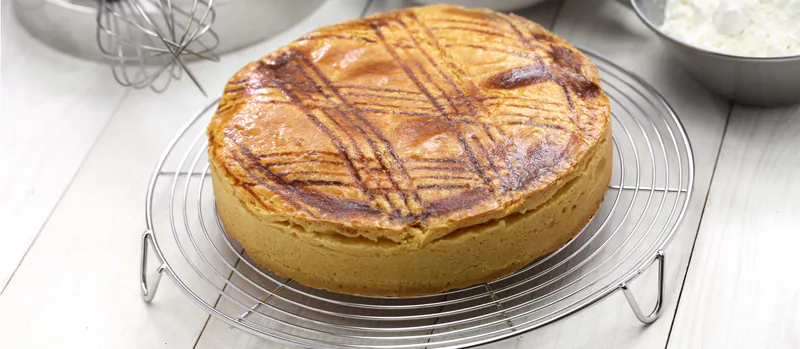
Gâteau basque (Basque cake)
 French · 4 h 15 min · 517 kcal · Contains egg