
Gulasch triestino (Trieste beef goulash)
Non-vegetarian
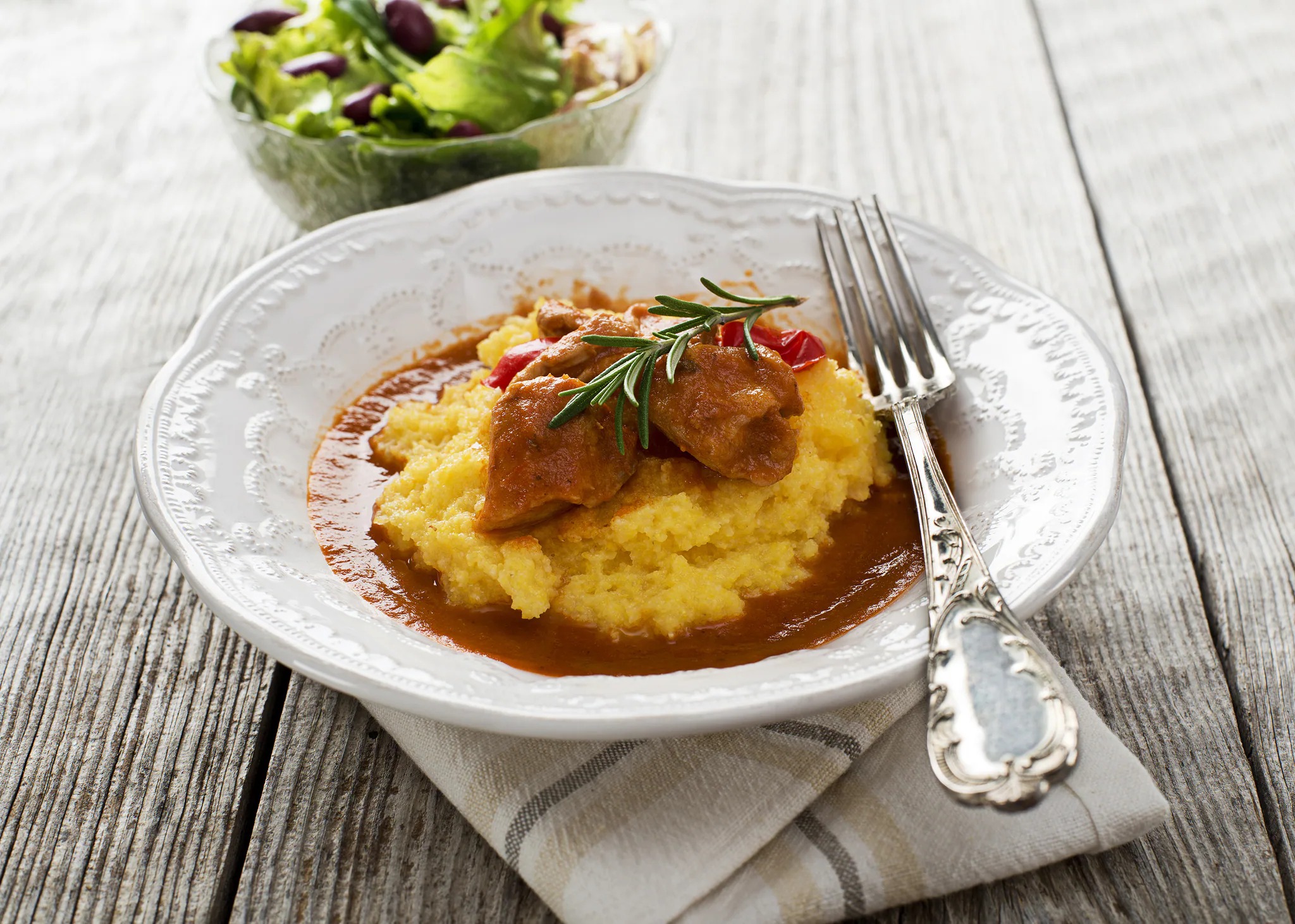
Gulasch alla triestina
A thick beef stew from Trieste built on a mountain of slowly melted onions, sweet and hot Hungarian paprika and tomato, cooked in olive oil and perfumed with rosemary, marjoram, thyme and bay. A legacy of the city's Austro-Hungarian past, eaten with polenta, gnocchi or potatoes.
Gulasch triestino (Trieste beef goulash) is an Italian stew from Italy, ready in about 3 hours 25 minutes and made with beef chuck, onion and paprika. It serves 6 and is rated easy to cook.
- Prep
- 25 min
- Cook
- 3 h
- Total
- 3 h 25 min
- Serves
- 6
- Level
- Easy
- Calories
- 410
Main ingredients
Ingredients
Method
Step 1
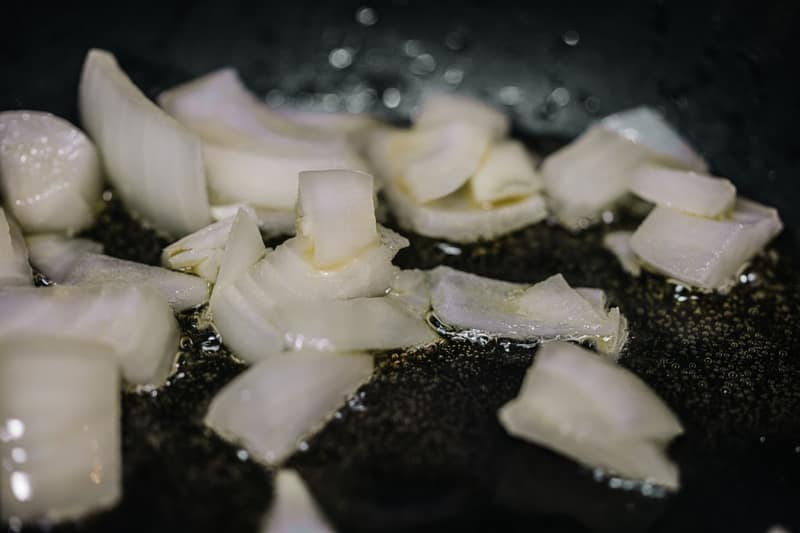
Heat 3 tbsp olive oil (opens in a new tab) in a heavy casserole and cook the onions (opens in a new tab) over low heat with a pinch of salt, stirring often, until very soft and golden, 30–40 minutes. Add the garlic (opens in a new tab) for the last 2 minutes.
The melted onions thicken the sauce; do not rush them.
How it looks · Photo: Magda Ehlers on Pexels Step 2
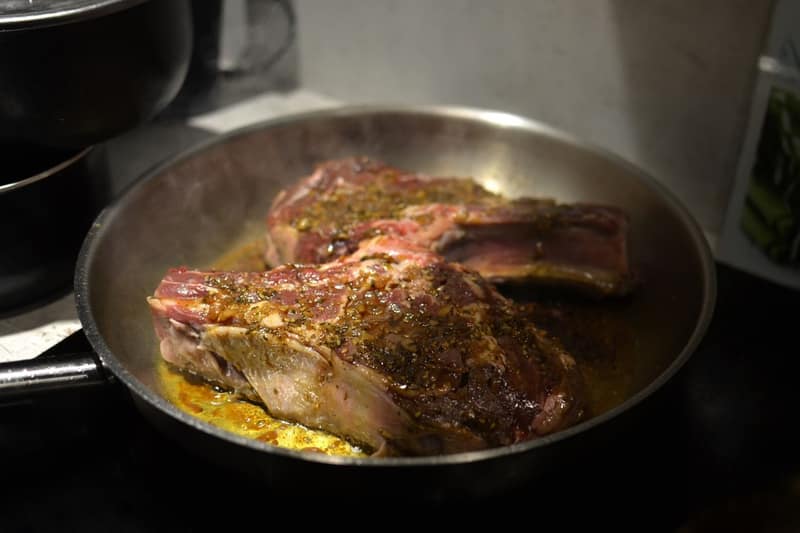
Meanwhile, dust the beef with the flour. Push the onions (opens in a new tab) aside (or set them on a plate), add the rest of the oil and brown the beef on all sides in batches over high heat.
- 12 min
- high heat
How it looks · Photo: Skylar Kang on Pexels Step 3
Return everything to the pot and lower the heat. Stir in the paprika (opens in a new tab), cayenne and tomato paste (opens in a new tab) and cook for 1 minute only, so the paprika does not burn. Pour in the wine, if using, and let it bubble away.
- 4 min
- medium-low heat
Food safety: Paprika scorches in seconds and turns bitter; keep the heat low when you add it.
Step 4
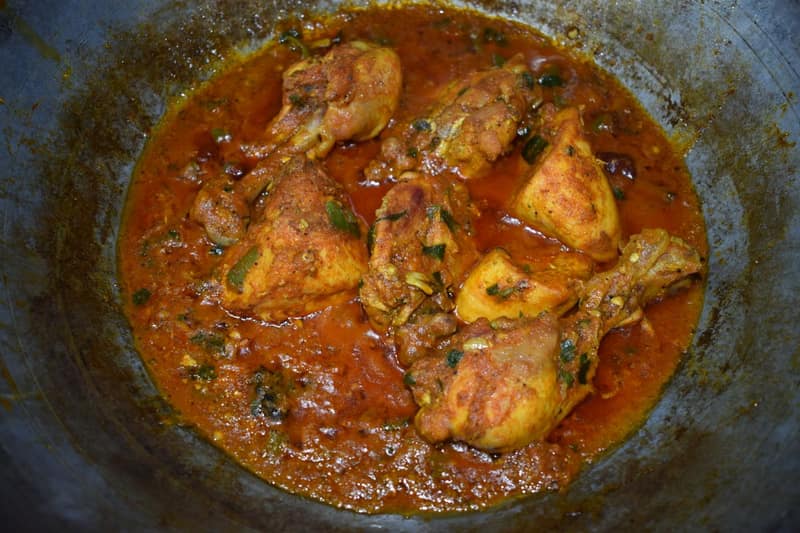
Add the rosemary (opens in a new tab), thyme (opens in a new tab), marjoram (opens in a new tab), oregano (opens in a new tab), bay leaves (opens in a new tab), salt, pepper (opens in a new tab) and enough hot stock to just cover the meat. Cover and simmer very gently for 2–2½ hours, stirring now and then and adding a little stock if needed, until the beef is tender and the sauce dense and dark red.
- 150 min
- low heat
How it looks · Photo: Bachir Mamud on Pexels Step 5
Remove the herb stalks and bay leaves (opens in a new tab), taste for seasoning and serve.
- 2 min
At a glance
 Beef chuck
 All-purpose flour
 Olive oil
 Onion
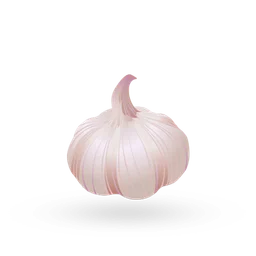 Garlic
 Paprika
- Cayenne / chilli powder
 Tomato paste
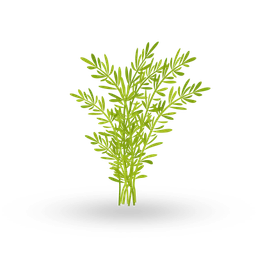 Rosemary (fresh)
 Thyme (fresh)
 Dried marjoram
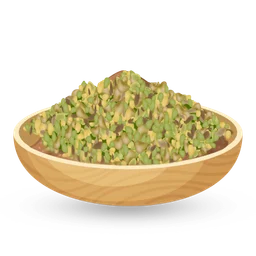 Dried oregano
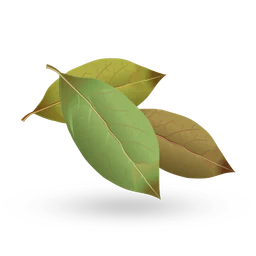 Bay leaves
 Beef stock
 Dry red wine
 Salt
 Black pepper
About this dish
- Origin
- Trieste, Friuli-Venezia Giulia, Italy · Well documentedTrieste was the Habsburg Empire's main port until 1918; its gulasch uses olive oil and Mediterranean herbs where Hungarian versions use lard and caraway.Also popular in Slovenia, CroatiaMore food from Italy
Italy - Dish
- Lunch · Dinner · Stews & braises · Main courses
- Cooking method
- Braised, Slow-cooked
- Taste
- rich, savoury, smoky, herby, spicy (chilli heat)
- Diet
- Dairy-free · No nut ingredients · Low-carb · High-proteinWithout the optional extras: Alcohol-freeWorked out from the ingredients. How labels work
All labels
Non-vegetarian · Dairy-free · Egg-free · No nut ingredients · No added sugar · Pork-free · Low-carb · High-protein · Calorie-conscious - Good for
- One-pot · Batch cooking · Freezer-friendly · Make-ahead
- Cook more with
- Beef chuck · Onion · Paprika · All-purpose flour · Garlic · Cayenne / chilli powder
Allergens
- Contains: Wheatfrom all-purpose flour
- Contains: Glutenfrom all-purpose flour
- May contain: Celeryfrom beef stock
- Contains, can be adapted: Sulphitesfrom dry red wine
Based on typical versions of these ingredients and not verified allergen-free. Brands differ and cross-contact happens, so always check labels. For severe allergies, follow your clinician’s advice.
Nutrition
410 kcal per serving
Calculated1 serving ≈ 461 g · recipe makes 6
Where the energy comes from
- Protein 39%
- Carbohydrate 19%
- Fat 42%
| Nutrient | Per serving | Per 100 g* |
|---|---|---|
| Energy | 410 kcal | 89 kcal |
| Protein | 41.5 g | 9 g |
| Carbohydrate | 20 g | 4.3 g |
| Net carbohydrate | 16.3 g | 3.5 g |
| Sugars | 7.7 g | 1.7 g |
| Added sugars | 0 g | 0 g |
| Fibre | 3.7 g | 0.8 g |
| Fat | 19.4 g | 4.2 g |
| Saturated fat | 4.8 g | 1 g |
| Trans fat | — | — |
| Cholesterol | 107 mg | 23 mg |
| Sodium | 992 mg | 215 mg |
| Salt equivalent | 2.5 g | 0.5 g |
Vitamins & minerals per serving
- Potassium
- 1208 mg
- Calcium
- 79 mg
- Iron
- 5.3 mg
- Magnesium
- 68 mg
- Vitamin A (RAE)
- 73 µg
- Vitamin C
- 13 mg
- Vitamin D
- 0.2 µg
- Vitamin B12
- 3.8 µg
- Folate (DFE)
- 44 µg
How these numbers were made
- Calculated from USDA FoodData Central (SR Legacy) per-100 g values and the listed quantities.
- *Per 100 g of combined raw ingredients; the cooked dish may weigh more or less.
- Optional ingredients are not included: dried oregano, dry red wine.
- “—” means the value isn’t known for enough of the ingredients; it is never zero by default.
- Values are estimates for guidance, not for medical dosing. U.S. Department of Agriculture, Agricultural Research Service. FoodData Central, 2019. fdc.nal.usda.gov.
Good to know
Tips
- Like most stews, it is better made the day before and reheated.
Serve with
- Serve with soft polenta, potato gnocchi, boiled potatoes or bread.
Storage
- Keeps 4 days refrigerated or 3 months frozen.
Reheating
- Reheat gently with a splash of water until piping hot.
Variations
- Gulasch di cervo: Made with venison in the Carso hills above Trieste.
Original editorial recipe · FriendsPantry editorial · source: TasteAtlas (dish facts) · Not yet independently reviewed · Added
Recipe DNA
How this dish is built
Grouped by each ingredient’s role in the dish. Each band’s width is its share of the dish by weight. Choose a component to see what it does.
What the dish is built around
Main ingredient
- Beef chuck, chuck or shin, cut into 4 cm cubes1 kg · 1000 g
- All-purpose flour, for dusting the meat2 tbsp · 16 g
- Onion, thinly sliced800 g
- Tomato paste3 tbsp · 49 g
Reviews & corrections
Reviews come from signed-in cooks and appear after a moderator checks them. We never show made-up ratings.
You might also like
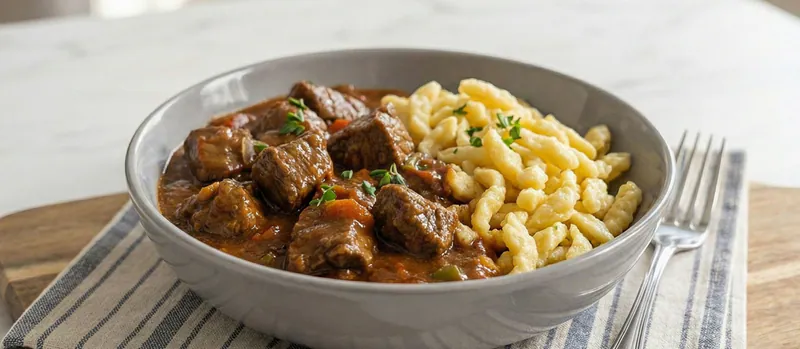
Wiener Saftgulasch (Viennese beef goulash)
 Austrian · 3 h 55 min · 395 kcal
Guláš (Czech beef goulash)
 Czech · 3 h 20 min · 373 kcal
Südtiroler Gulasch (South Tyrolean goulash)
 Italian · 3 h 5 min · 408 kcal
Jota (sauerkraut and bean stew)
 Slovenian · 1 h 35 min · 346 kcal