
 Costa Rican · Nicaraguan · Central American · Sweets & confectionery
Cajeta de coco (Costa Rican coconut and condensed-milk sweets)
Vegetarian
Cajeta de coco
Grated coconut cooked with condensed milk, butter and sugar, thickened with crushed graham crackers, then rolled into small balls and coated in coconut or crumbs. Set in paper cases and served chilled with coffee in Costa Rica and Nicaragua.
Cajeta de coco (Costa Rican coconut and condensed-milk sweets) is a Costa Rican sweet, ready in about 2 hours 10 minutes and made with desiccated coconut, sweetened condensed milk and graham crackers. It serves 15 and is rated easy to cook.
No licensed photograph of this dish yet.
- Prep
- 25 min
- Cook
- 15 min
- Rest
- 1 h 30 min
- Total
- 2 h 10 min
- Serves
- 15
- Level
- Easy
- Calories
- 265
Main ingredients
Ingredients
For coating
Method
Step 1
Put the coconut, condensed milk (opens in a new tab), butter (opens in a new tab) and sugar (opens in a new tab) in a heavy saucepan (opens in a new tab) and cook over medium-low heat, stirring constantly, until the mixture thickens and pulls away from the base of the pan, 10–12 minutes.
- 12 min
- medium-low heat
- Saucepan (opens in a new tab)
- Wooden spoon (opens in a new tab)
Food safety: The mixture is very hot and sticky; let it cool before touching it.
Step 2
Take off the heat and stir in the crushed graham crackers (opens in a new tab). Spread on a plate and leave until cool enough to handle, about 30 minutes.
- 3 min
Step 3
With lightly buttered hands roll teaspoons of the mixture into balls about 2.5 cm across, then roll them in the coating coconut.
- 20 min
Step 4
Set each ball in a small paper case and chill for at least 1 hour until firm.
- 2 min
At a glance
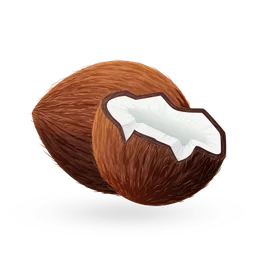 Desiccated coconut
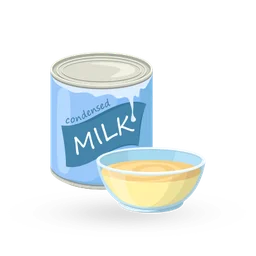 Sweetened condensed milk
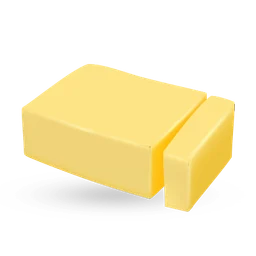 Butter
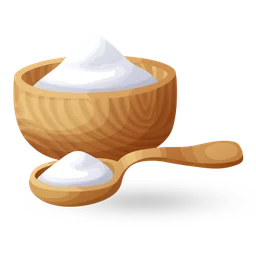 Sugar
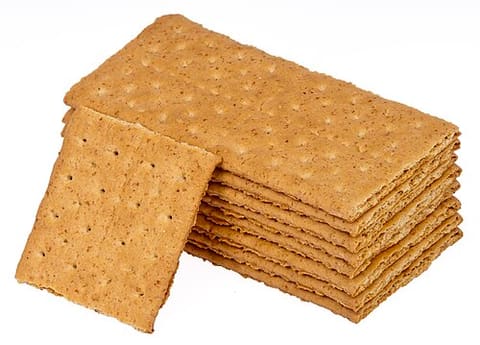 Graham crackers
About this dish
- Origin
- Guanacaste, Costa Rica · Commonly attributedCajetas are fudge-like milk and coconut sweets shared by Costa Rica and Nicaragua; this condensed-milk and graham-cracker version is the popular modern home recipe, while older ones cook coconut with tapa de dulce (unrefined cane sugar) and milk.Also popular in NicaraguaMore food from Costa Rica
Costa Rica - Dish
- Snack · Dessert · Sweets & confectionery · Desserts
- Cooking method
- Simmered
- Taste
- sweet, creamy, nutty
- Diet
- Vegetarian (lacto-ovo) · No nut ingredientsWorked out from the ingredients. How labels work
All labels
Vegetarian (lacto-ovo) · Eggetarian · Lacto-vegetarian · Pescatarian · Flexitarian-friendly · Egg-free · No nut ingredients · Alcohol-free · Pork-free · Beef-free - Good for
- Make-ahead · Child-friendly · Festive & celebration
- Cook more with
- Desiccated coconut · Sweetened condensed milk · Graham crackers · Butter · Sugar
- Techniques
- Simmering
Allergens
- Contains: Milkfrom sweetened condensed milk, butter, graham crackers
- Contains: Wheatfrom graham crackers
- Contains: Glutenfrom graham crackers
- May contain: Soyfrom graham crackers
Based on typical versions of these ingredients and not verified allergen-free. Brands differ and cross-contact happens, so always check labels. For severe allergies, follow your clinician’s advice.
Nutrition
265 kcal per serving
Calculated1 serving ≈ 57 g · recipe makes 15
Where the energy comes from
- Protein 6%
- Carbohydrate 39%
- Fat 56%
| Nutrient | Per serving | Per 100 g* |
|---|---|---|
| Energy | 265 kcal | 466 kcal |
| Protein | 3.9 g | 6.8 g |
| Carbohydrate | 26.7 g | 46.9 g |
| Net carbohydrate | 23.4 g | 41 g |
| Sugars | 20.1 g | 35.2 g |
| Added sugars | — | — |
| Fibre | 3.4 g | 5.9 g |
| Fat | 17.1 g | 30 g |
| Saturated fat | 13.6 g | 23.9 g |
| Trans fat | — | — |
| Cholesterol | 13 mg | 23 mg |
| Sodium | 88 mg | 154 mg |
| Salt equivalent | 0.2 g | 0.4 g |
Vitamins & minerals per serving
- Potassium
- 215 mg
- Calcium
- 85 mg
- Iron
- 0.9 mg
- Magnesium
- 27 mg
- Vitamin A (RAE)
- 33 µg
- Vitamin C
- 1 mg
- Vitamin D
- 0.1 µg
- Vitamin B12
- 0.1 µg
- Folate (DFE)
- 14 µg
How these numbers were made
- Calculated from USDA FoodData Central (SR Legacy) per-100 g values and the listed quantities.
- *Per 100 g of combined raw ingredients; the cooked dish may weigh more or less.
- “—” means the value isn’t known for enough of the ingredients; it is never zero by default.
- Values are estimates for guidance, not for medical dosing. U.S. Department of Agriculture, Agricultural Research Service. FoodData Central, 2019. fdc.nal.usda.gov.
Good to know
Tips
- If the mixture is too soft to roll, chill it for 20 minutes or add a few more crumbs.
Common mistakes
- Undercooking the mixture, which leaves the balls sticky and soft.
Serve with
- Serve chilled with black coffee or tea, or arrange on a platter for a party.
Storage
- Keeps 1 week refrigerated in an airtight container.
Variations
- Cajeta de coco con tapa de dulce: Grated coconut cooked down with milk and unrefined cane sugar into a darker, chewier sweet cut into squares.
- Nicaraguan cajeta de coco (Nicaragua): Often made with fresh coconut and milk and cut into squares or bars, sometimes coloured with a little achiote.
Original editorial recipe · FriendsPantry editorial · source: TasteAtlas (dish facts) · Not yet independently reviewed · Added
Recipe DNA
How this dish is built
Built from the recipe’s own sections. Each band’s width is its share of the dish by weight. Choose a component to see what it does.
What the dish is built around
Main ingredient
- Desiccated coconut250 g
- Sweetened condensed milk, 1 can395 g
- Butter30 g
Reviews & corrections
Reviews come from signed-in cooks and appear after a moderator checks them. We never show made-up ratings.
You might also like
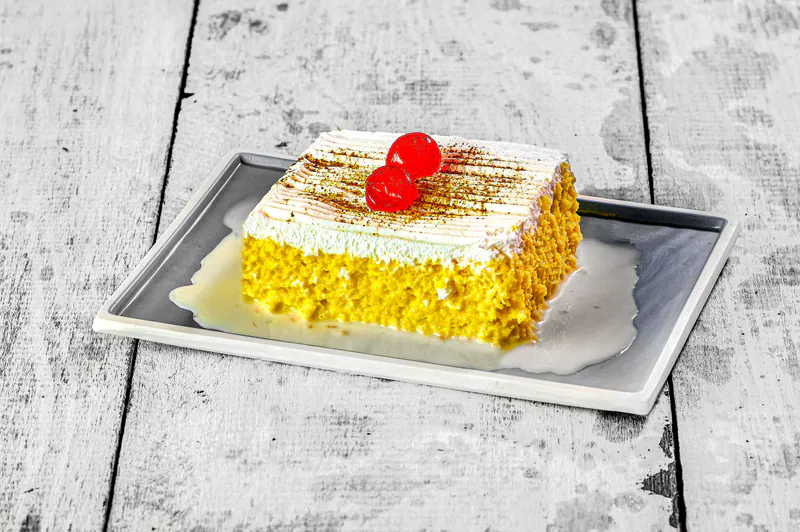
Tres leches cake
Costa Rican · 4 h 55 min · 452 kcal · Contains egg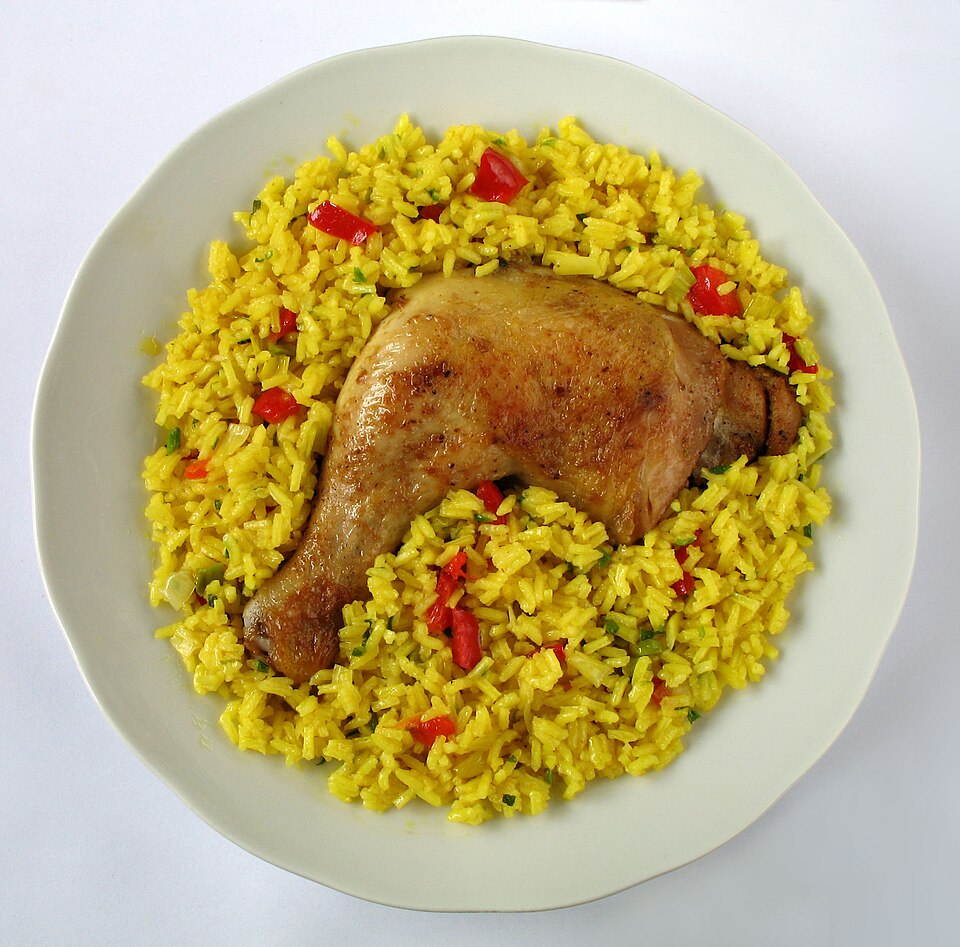
Costa Rican arroz con pollo
Costa Rican · 1 h 15 min · 535 kcalCocada amarela
 Angolan · 1 h 40 min · 352 kcal · Contains egg
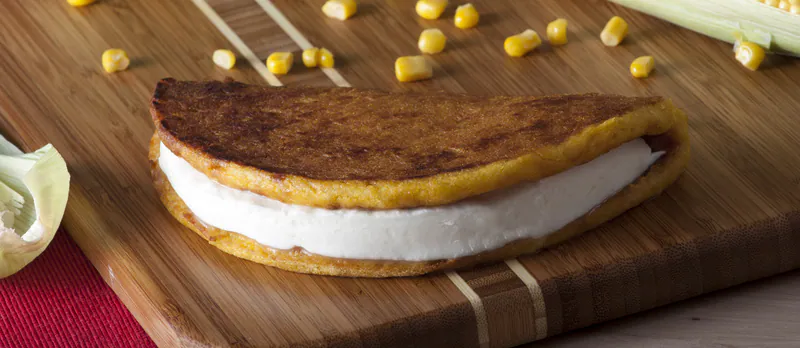
Chorreadas (Costa Rican sweet corn pancakes)
Costa Rican · 35 min · 363 kcal · Contains egg