
Ingredients and chemistry · intermediate
How sugar behaves
Sugar does far more than sweeten: it holds moisture, tenderises, browns, lowers freezing point and builds syrups and candies.
What happens
Sugar dissolves in water and attracts it (it is hygroscopic), so it keeps cakes and sweets moist and draws juice out of fruit. In batters it gets between proteins and starch, slowing gluten formation and raising the temperature at which eggs and starch set, so baked goods are more tender. Dissolved sugar lowers the freezing point of water, which keeps ice cream and kulfi scoopable, and raises the boiling point of a syrup. As a syrup boils, water leaves and its temperature climbs, giving a series of recognisable stages from thin syrup to hard candy to caramel. Acid and heat can split sucrose into glucose and fructose (invert sugar), which resists crystallising and browns faster.
Why it matters in the kitchen
Cutting sugar in a recipe changes texture, colour and keeping quality, not just sweetness. Syrup stages are the basis of gulab jamun syrup, chikki, burfi, fudge and toffee.
Temperatures and conditions
- Thread stage (one-string syrup is close to this) 106–112 °C
- Soft ball (fudge, some burfi) 112–116 °C
- Firm ball (caramels) 118–120 °C
- Hard ball (nougat) 121–130 °C
- Soft crack (toffee) 132–143 °C
- Hard crack (brittle, chikki) 146–154 °C
- Caramel 160–180 °C
In practice
- Sugar syrup for gulab jamun or jalebi, and one-string syrup for laddoo and burfi.
- Jaggery syrup cooked to the hard stage for peanut chikki.
- Kulfi and ice cream staying soft enough to slice or scoop.
- Macerating strawberries in sugar to draw out juice.
Myths and facts
Myth: Sugar only adds sweetness, so you can halve it freely.
Fact: Less sugar in cakes means drier, tougher, paler results that stale faster; in jams and preserves it also reduces keeping quality. Cut gradually and expect texture changes.
Myth: Brown sugar is unrefined and very different from white.
Fact: Most supermarket brown sugar is refined white sugar with some molasses added back. Jaggery and other non-centrifugal sugars are less refined and contain more minerals, invert sugar and flavour compounds.
Myth: Honey or jaggery swap for sugar one to one with the same result.
Fact: Honey contains water and more fructose, so it adds liquid, browns faster and makes baked goods moister. Jaggery has its own flavour, moisture and varying strength. Adjust liquid and lower the oven temperature slightly.
Use it to cook better
- Use a sugar thermometer for candies and check it in boiling water first: it should read 100 °C at sea level.
- Without a thermometer, use the cold-water test: drop a little syrup into cold water and feel the result (thread, soft ball, hard crack).
- Add lemon juice or a little corn syrup or glucose to sugar syrups to discourage crystallisation (gulab jamun syrup often has lemon for this).
- At altitude, cook candies to a temperature about 1 °C lower for every 300 m above sea level.
- Dissolve jaggery in a little water and strain it before cooking, as it often contains grit.
Try it at home
Cold-water syrup stages
You need: 200 g sugar, 60 ml water, A small heavy pan, A sugar thermometer if you have one, A glass of very cold water, A teaspoon
- Dissolve the sugar in the water over low heat, then boil without stirring.
- Every minute, drop a little syrup into the cold water and try to gather it with your fingers.
- Note the temperature (if you have a thermometer) when it forms a thread, a soft ball, a firm ball and hard brittle threads.
What you’ll see: The syrup's temperature keeps rising as water boils off, and the drops go from thin threads to soft, then firm, then glassy.
Boiling syrup causes severe burns. Adults only; let the drops cool in the water before touching them, and never taste from the pan.
Going deeper
The boiling point of a syrup tracks its sugar concentration, so a thermometer is really measuring how much water is left: about 85% sugar at soft ball and about 99% at hard crack. Sugar raises the gelatinisation temperature of starch and the coagulation temperature of egg proteins, so very sweet batters set later. Invert sugar is sweeter than sucrose and more hygroscopic, which keeps foods softer for longer.
Ingredients it affects most
Techniques that rely on it
Worth double-checking
- Candy-stage temperature ranges differ slightly between sources; these follow commonly published tables.
- The temperature of Indian 'one-string' syrup varies by recipe and is approximate.
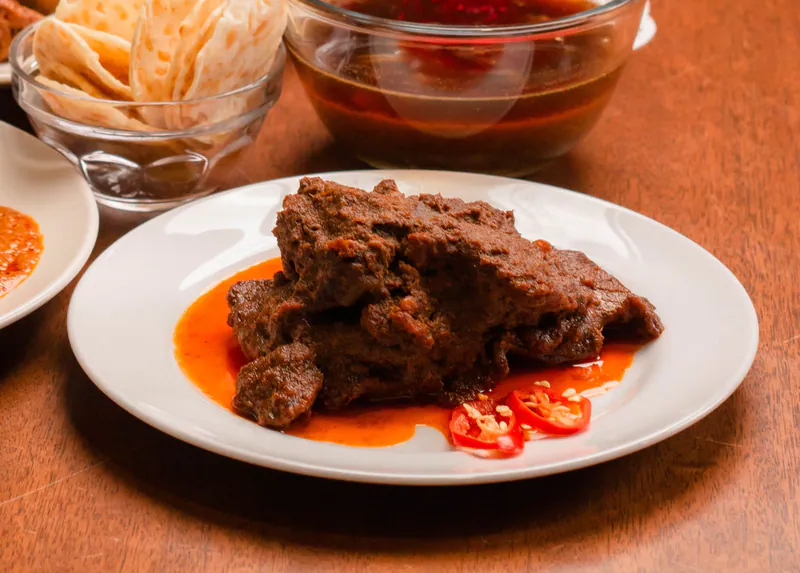
 Indonesian · 4 h · 672 kcal
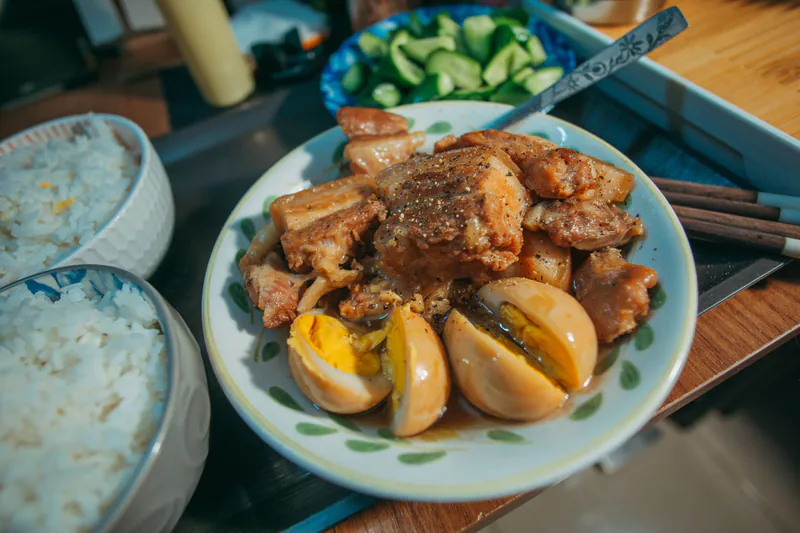
 Filipino · 1 h 30 min · 529 kcal
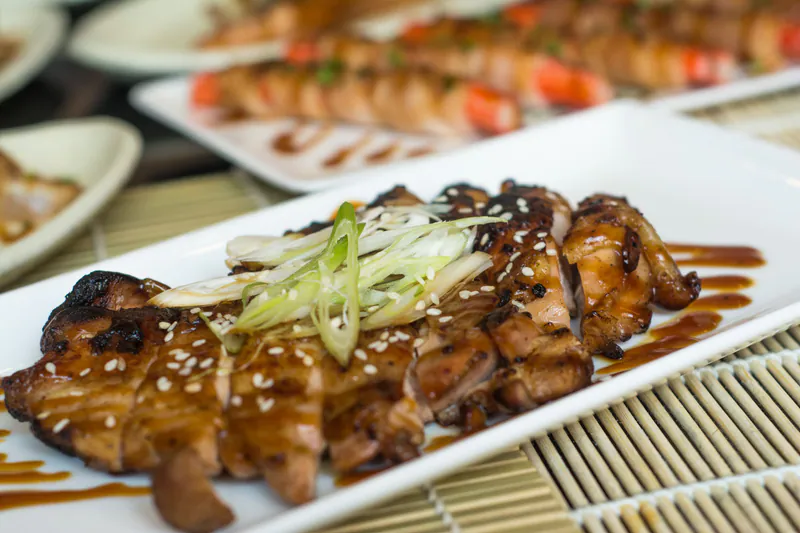
 Japanese · 25 min · 188 kcal
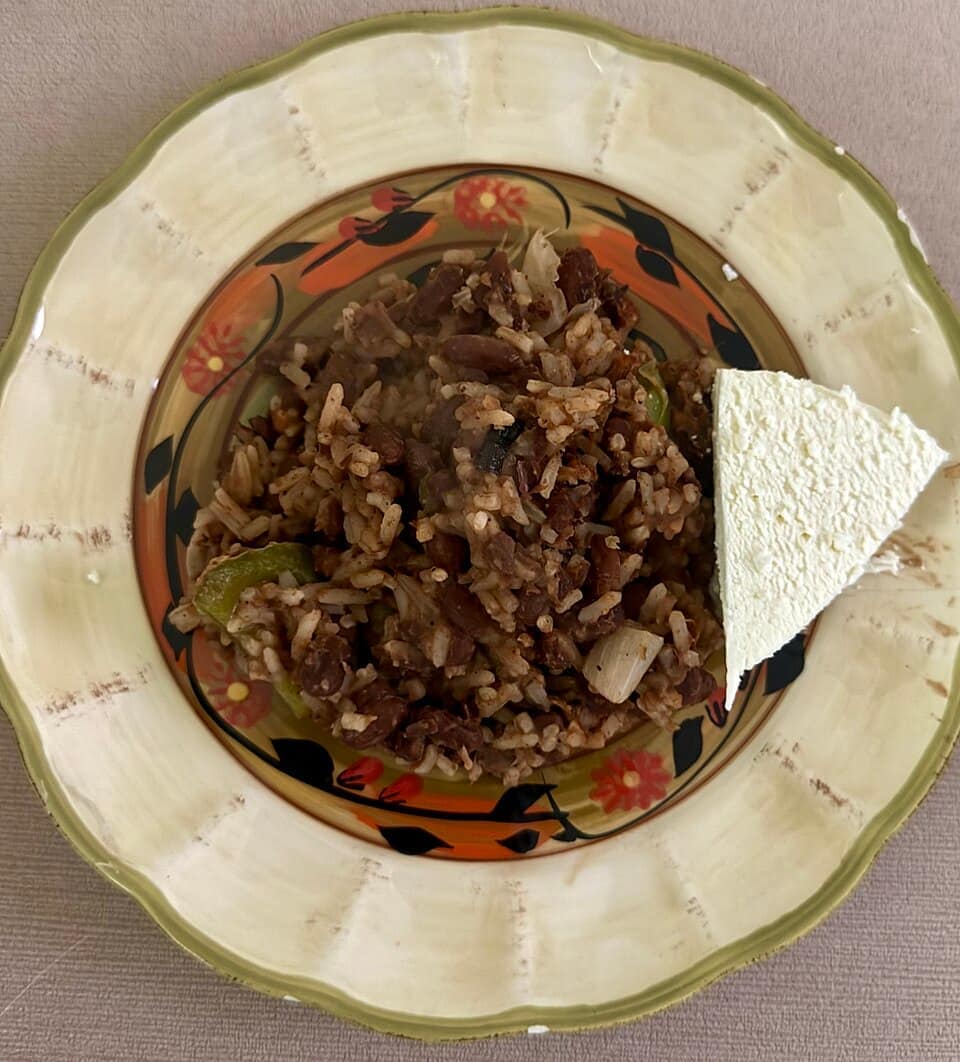
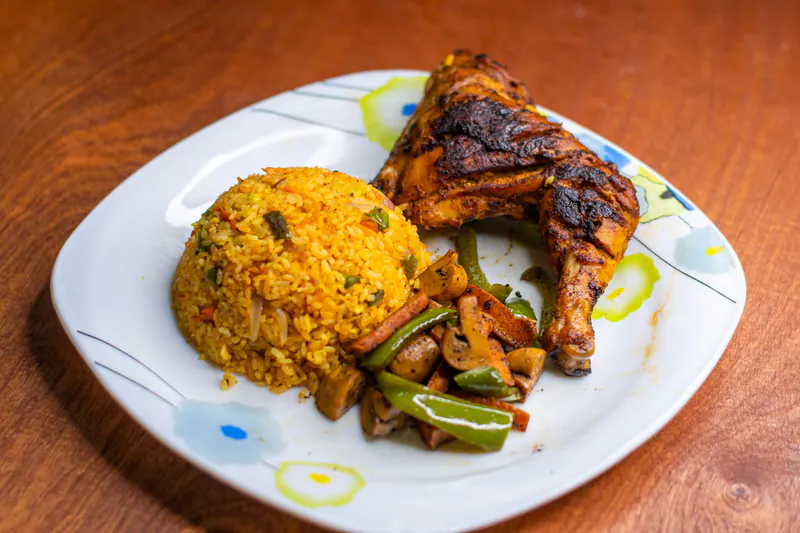
 Afghan · 2 h 45 min · 784 kcal
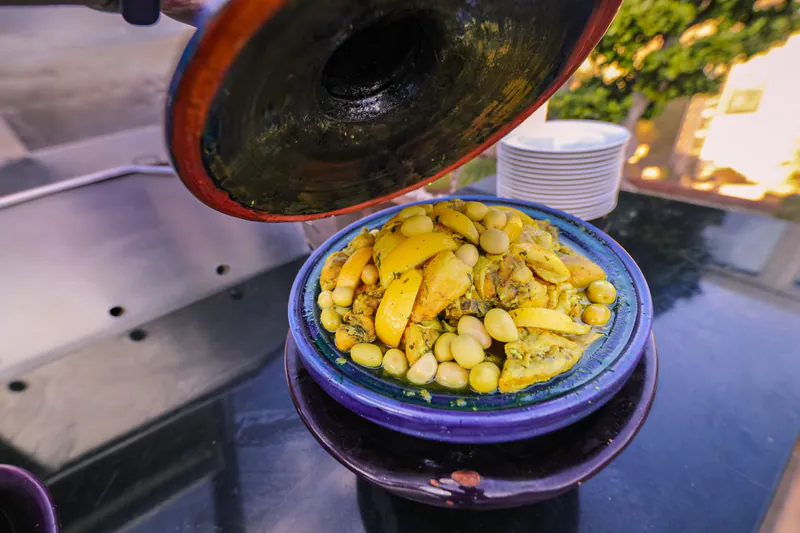
 Moroccan · 1 h 30 min · 718 kcal
 Taiwanese · 40 min · 368 kcal