
Advanced food science · advanced
Crystallisation
How sugar, fat and water form crystals, which decides whether fudge is creamy, chocolate snaps and ice cream is smooth.
What happens
Crystals form when molecules line up into an orderly, repeating structure. In sugar work, a hot, concentrated syrup holds more sugar than it could at room temperature (it is supersaturated); a single stray crystal, stirring at the wrong time or a grain on the pan side can set off rapid crystallisation. Small crystals give a creamy texture (fudge, fondant, some burfis), large ones a grainy texture. In chocolate, cocoa butter can crystallise in six different forms; only one (form V) gives gloss, snap and a clean melt, and tempering is the process of encouraging it. In freezing, fast freezing and constant churning make small ice crystals for smooth ice cream; slow freezing makes large ones that damage cells and give icy textures.
Why it matters in the kitchen
Many confectionery failures, such as grainy syrup, dull and streaky chocolate or icy kulfi, are crystallisation problems with specific fixes.
Temperatures and conditions
- Fudge: cool before beating 43–50 °C · Cooling undisturbed first gives smaller crystals.
- Dark chocolate tempering: melt 45–50 °C
- Dark chocolate tempering: cool 27–28 °C
- Dark chocolate tempering: working temperature 31–32 °C · Milk chocolate about 29–30 °C, white about 28–29 °C.
- Home freezer up to -18 °C
In practice
- Fudge, fondant and some burfis and pedas.
- Rock sugar (mishri) grown slowly from syrup.
- Tempered chocolate for coating and moulding.
- Honey turning solid in the jar.
- Kulfi and ice cream: smooth versus icy.
Myths and facts
Myth: Crystallised honey has gone bad.
Fact: Honey naturally crystallises, especially types high in glucose. Warm the jar gently in warm water to re-liquefy it; it is not spoiled.
Myth: White streaks on chocolate are mould.
Fact: Grey-white streaks are fat bloom (cocoa butter that has melted and recrystallised) or sugar bloom (moisture dissolving surface sugar). It's safe to eat, though texture suffers; melting and re-tempering fixes it for cooking.
Myth: Stirring a sugar syrup helps it cook evenly.
Fact: Stirring a supersaturated syrup can trigger crystals and make it grainy. Dissolve sugar fully first, then swirl rather than stir, and wash crystals off the pan sides with a wet brush.
Use it to cook better
- Add an 'interfering agent' such as corn syrup, glucose, honey, lemon juice or cream of tartar to syrups to keep crystals small or prevent them.
- Brush down the inside of the pan with a wet pastry brush while boiling syrup.
- For fudge, let it cool undisturbed to about 45 °C before beating for a smooth, creamy set.
- For melted chocolate coatings without tempering, keep it below about 32 °C (dark) and stir in some unmelted chopped chocolate ('seeding').
- For kulfi and ice cream, freeze fast in small moulds and stir or churn to keep ice crystals small.
Try it at home
Grow sugar crystals
You need: 200 g sugar, 100 ml water, A clean glass jar, Cotton string tied to a pencil, A paper clip as a weight
- Dissolve the sugar in the water by heating until clear, then cool for 15 minutes.
- Dip the string in the syrup, roll it in a little dry sugar and let it dry; this seeds crystal growth.
- Pour the syrup into the jar and hang the string in it from the pencil, not touching the sides.
- Leave it undisturbed for 5–7 days, covered loosely with paper.
What you’ll see: Large, clear crystals grow on the string, the same principle as mishri (rock sugar). Undisturbed, slow growth makes big crystals.
Hot syrup burns; let an adult heat and pour it.
Going deeper
Crystallisation needs nucleation (seed formation) and growth. Many small nuclei forming at once, as when a cooled supersaturated fudge is beaten, give fine crystals; few nuclei growing slowly give large ones. Invert sugar, glucose and proteins interfere by getting in the way of sucrose molecules joining a crystal. Cocoa butter's form V crystals melt at about 34 °C, just below body temperature, which is why well-tempered chocolate melts cleanly in the mouth but not in the hand.
Ingredients it affects most
Techniques that rely on it
Worth double-checking
- Chocolate tempering temperatures differ by brand and cocoa content; follow the maker's guidance.
- Fudge beating temperature varies by recipe (about 43–50 °C).
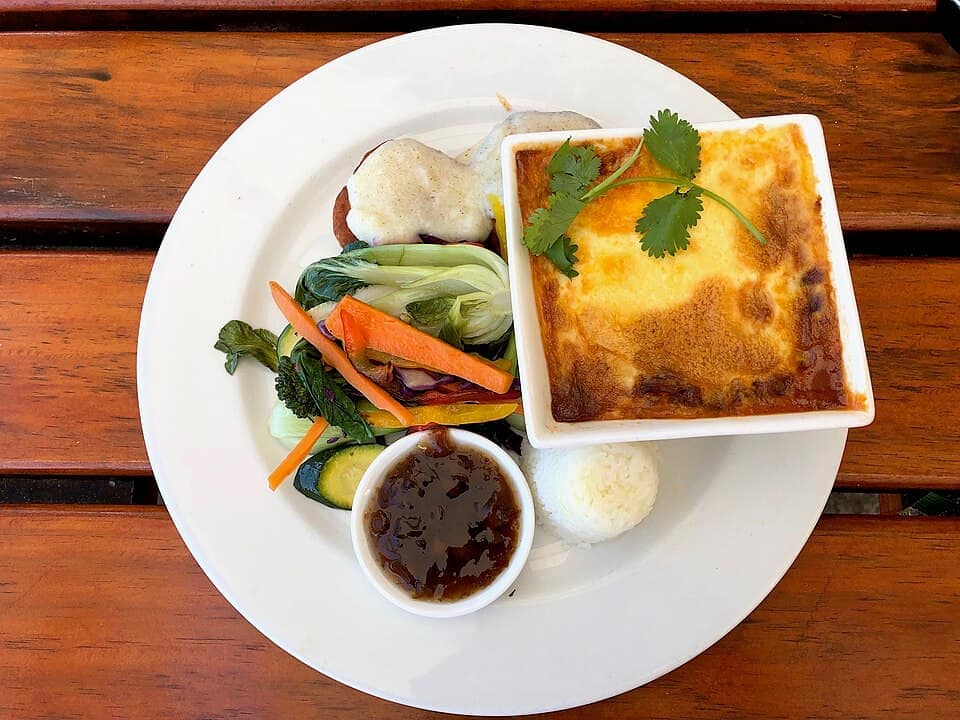
 Cape Malay · 1 h 25 min · 480 kcal
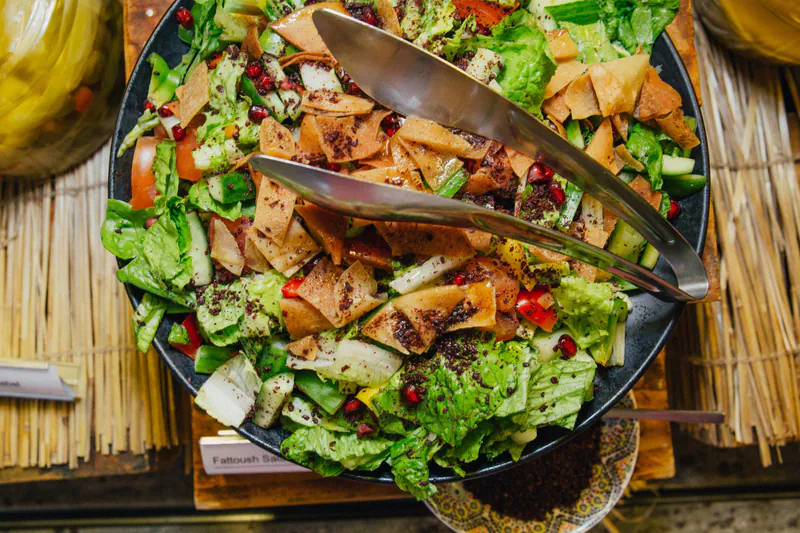
 Lebanese · 30 min · 293 kcal ·
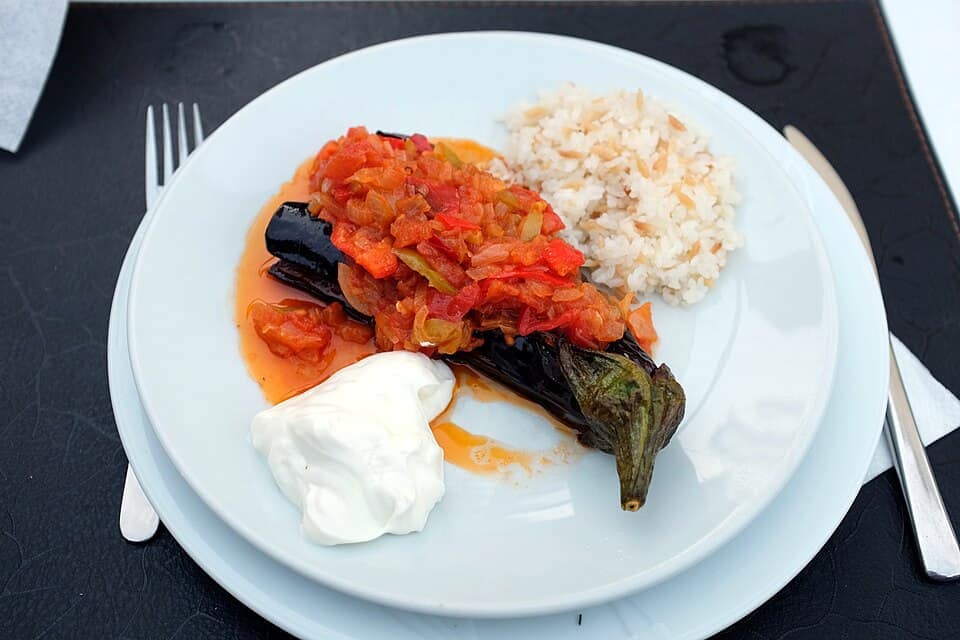
 Turkish · 1 h 55 min · 357 kcal ·
 Afghan · 2 h 45 min · 784 kcal
 Georgian · 2 h · 957 kcal ·

 Italian · 3 h 27 min · 756 kcal ·
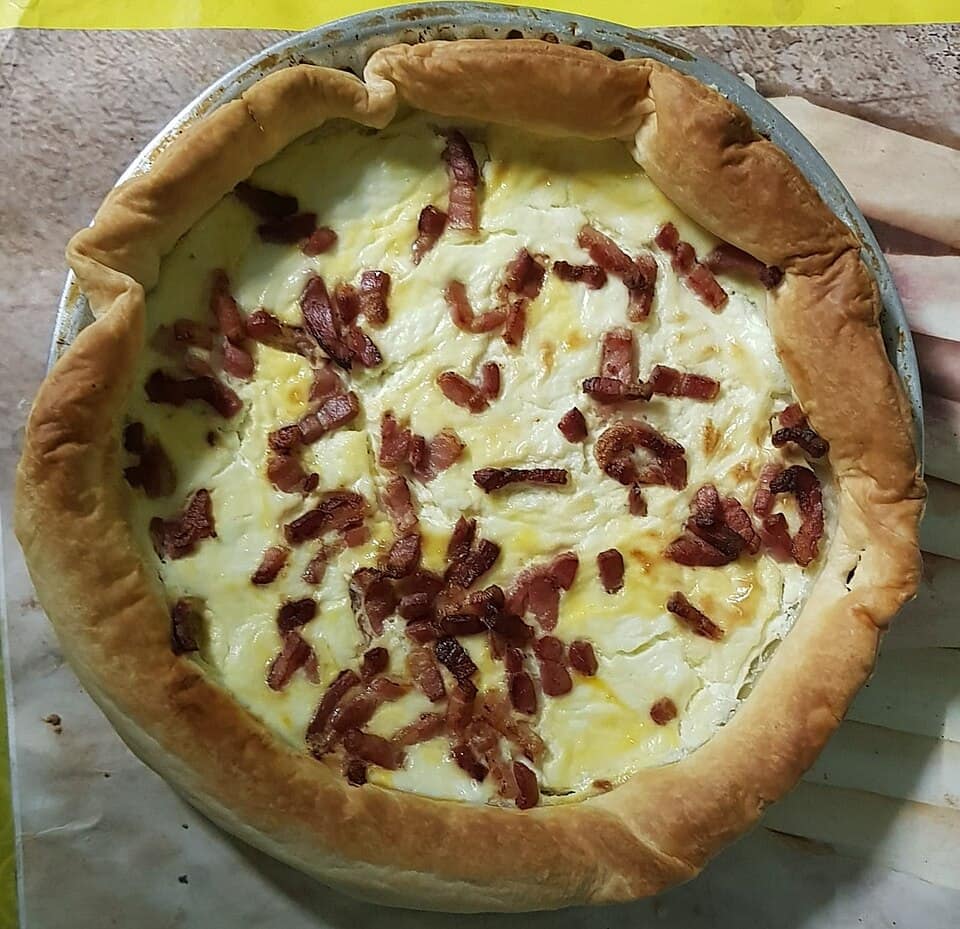
 French · 2 h 5 min · 598 kcal
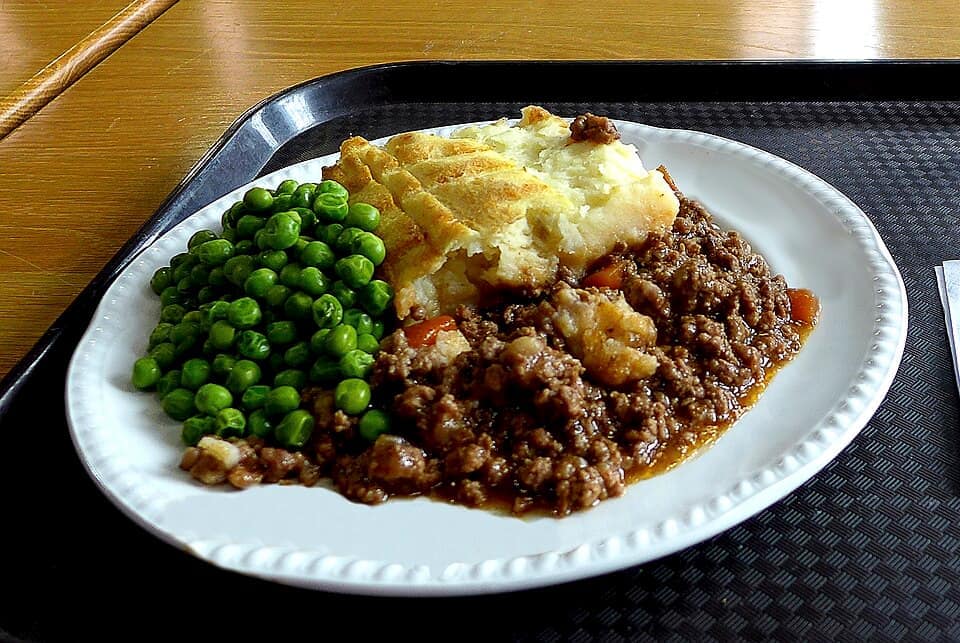
 British · 1 h 45 min · 551 kcal
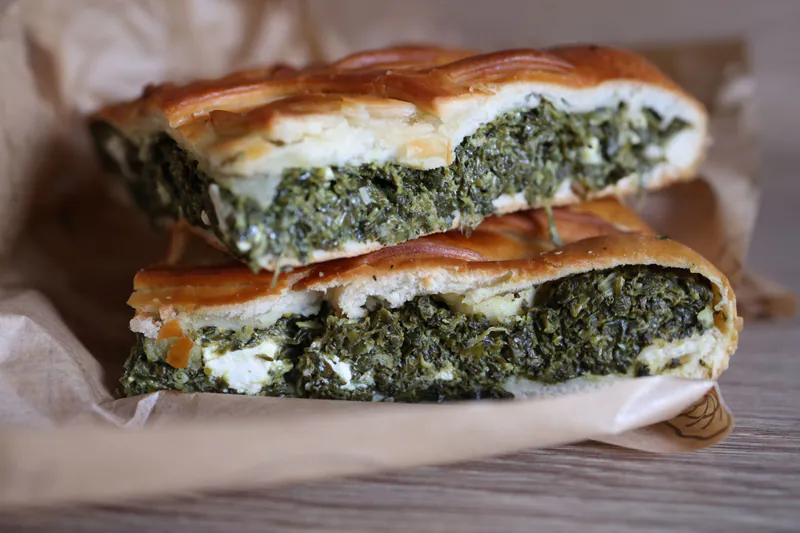
 Greek · 1 h 40 min · 307 kcal ·