
Vegetables · Pickled & preserved
Fermented tea leaves
Burmese pickled tea leaves (lahpet), served in a tangy salad with crunchy beans, nuts and garlic.
Also called: lahpet, laphet, pickled tea leaves, letpet
Around the world: လက်ဖက် (my)
What it is
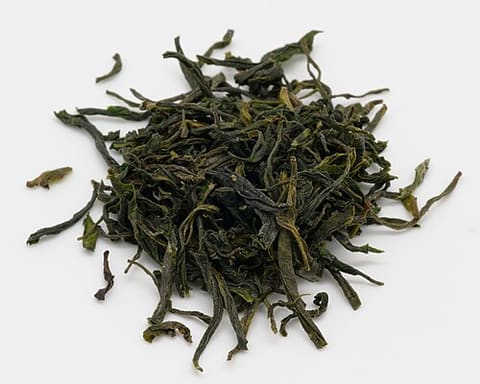
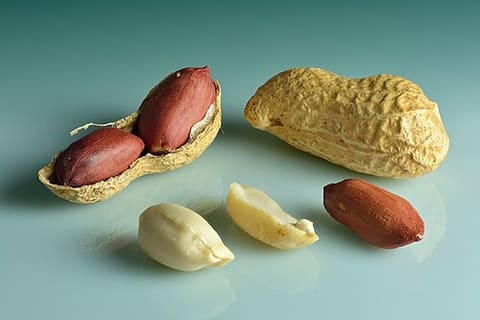
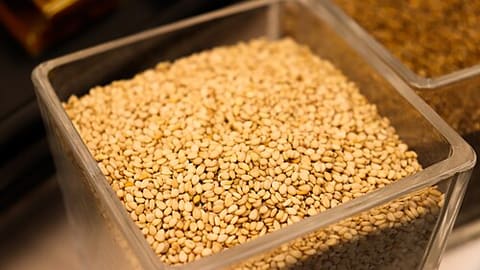
Lahpet are young tea leaves that are steamed, then packed and fermented until soft, olive-green and sour. They are a Myanmar speciality, eaten as a salad (lahpet thoke) or served as a snack with fried beans, peanuts, sesame and garlic. They are different from the dried black and green tea leaves used for brewing.
Camellia sinensis (fermented leaf)
How it’s used
- Lahpet thoke tea-leaf salad
- Served as a traditional snack plate with crunchy toppings
- Mixed with rice
Characteristics
- Taste
- Sour, bitter, earthy and slightly astringent.
- Texture
- Soft, moist and leafy.
- When cooked
- Usually dressed with oil, garlic and lime and eaten raw.
- Sold as
- fermented
- Cooking uses
- Usually eaten raw
- Common in
- Burmese
Storage
Refrigerated. Refrigerate in a sealed container once opened.
Diet, allergens and safety
No major allergens in typical versions.
- Vegetarian
- Vegan
- Dairy-free
- Egg-free
- Gluten-free
- Nut-free
- Soy-free
- Caffeine-free
- Contains caffeine.
- Usually served with peanuts and other nuts; check for allergies.
Nutrition per 100 g
- Energy
- 93 kcal
- Protein
- 5.6 g
- Carbohydrate
- 17.31 g
- Fat
- 2.12 g
- Fibre
- 11 g
- Sugars
- 6.3 g
USDA FoodData Central: Grape leaves, raw (a close stand-in).
Related ingredients
Recipes with fermented tea leaves
Lahpet thoke
 Burmese · 20 min · 201 kcal
More pickled & preserved
Pickled & preserved
Canned tomatoes
Peeled tomatoes packed in juice, whole, chopped or crushed; a reliable base for sauces, soups and stews.
43 recipes
Pickled & preserved
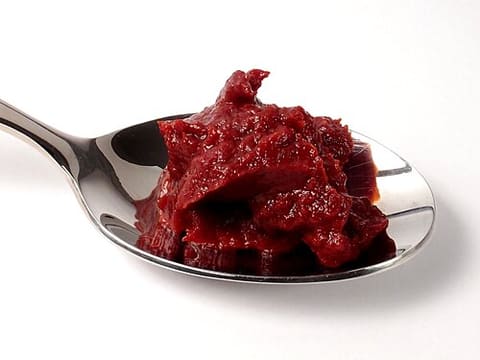
Tomato paste
Thick, concentrated cooked tomato sold in tubes, cans or jars, used by the spoonful for colour and depth.
114 recipes
Pickled & preserved
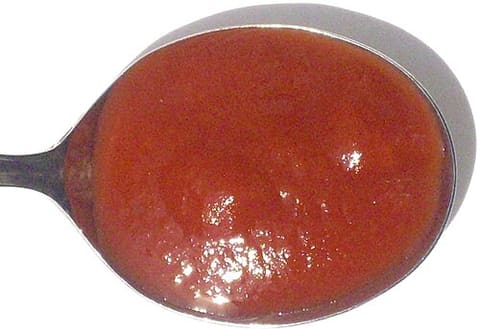
Tomato passata
Smooth, uncooked tomato purée strained of skins and seeds, sold in bottles or cartons as a ready sauce base.
20 recipes
Pickled & preserved
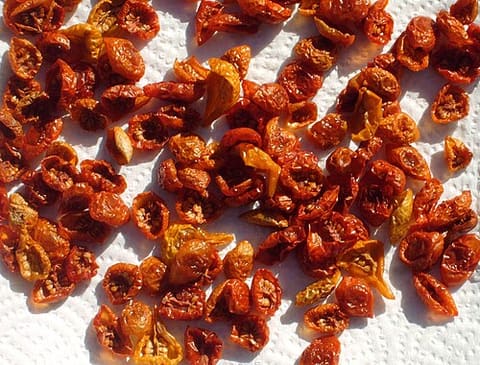
Sun-dried tomatoes
Tomato halves dried until chewy and intensely sweet-savoury, sold dry or packed in oil.
No recipes yet
Pickled & preserved
Roasted red peppers (jarred)
Red peppers roasted, peeled and preserved in jars; soft, smoky and ready for dips, salads and sauces.
5 recipes
Pickled & preserved
Black olives
Cured black or dark olives, such as Kalamata, eaten as a snack and used in salads, pizzas, stews and tapenade.
39 recipes
Pickled & preserved
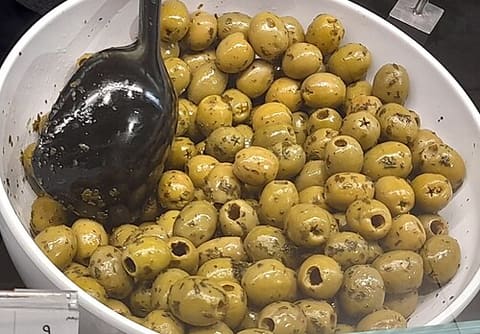
Green olives
Unripe olives cured in brine; firm, tangy and often stuffed with pimiento, garlic or almond.
15 recipes
Pickled & preserved
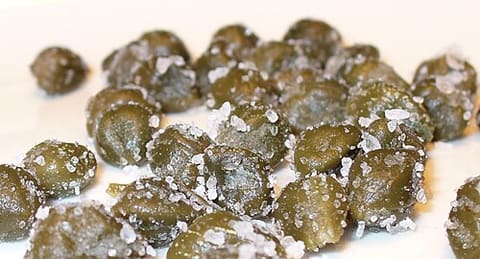
Capers
Small pickled flower buds of the caper bush, adding salty, tangy bursts to sauces, salads and fish.
21 recipes