
Grains, rice & flours · Cassava products
Attiéké (cassava couscous)
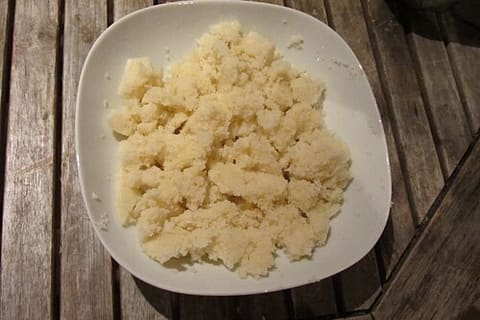
Ivorian steamed couscous of fermented cassava pulp; tangy and fluffy, eaten with grilled fish.
Also called: attieke, cassava couscous, acheke, atchéké
Around the world: attiéké (fr)
Photo: Serein, via Wikimedia Commons (CC-BY-SA-3.0)
What it is
Attiéké is made by fermenting grated cassava, pressing it, sieving it into granules and steaming them. The result looks like couscous but is slightly sticky, with a fresh sour tang. It is sold fresh, frozen or dried; dried attiéké only needs steaming or a brief soak in hot water. It differs from gari, which is toasted dry rather than steamed.
Manihot esculenta
How it’s used
- With grilled fish, onions and tomatoes (garba, attiéké poisson)
- Side for stews and sauces
- Salads in place of couscous
Characteristics
- Taste
- Tangy, lightly sour.
- Texture
- Fluffy, slightly sticky granules.
- When cooked
- Steam or microwave with a splash of water and fluff with a fork.
- Sold as
- dried, frozen, fresh
- Cooking uses
- Commonly cooked
- Common in
- Ivorian, West African, Burkinabè, Malian
Storage
Pantry-stable. Dried attiéké keeps in the pantry; fresh attiéké is perishable and should be refrigerated or frozen.
Diet, allergens and safety
No major allergens in typical versions.
- Vegetarian
- Vegan
- Dairy-free
- Egg-free
- Gluten-free
- Nut-free
- Soy-free
- Caffeine-free
- Naturally gluten-free.
Nutrition per 100 g
- Energy
- 160 kcal
- Protein
- 1.36 g
- Carbohydrate
- 38.06 g
- Fat
- 0.28 g
- Fibre
- 1.8 g
- Sugars
- 1.7 g
USDA FoodData Central: Cassava, raw (a close stand-in).
Substitutes
Optional — what works if you don’t have it, and how it changes the dish.
- Couscous — Same use; lacks the sour note and contains gluten.
Related ingredients
Recipes with attiéké (cassava couscous)
Attiéké with grilled fish
 Ivorian · 1 h 15 min · 644 kcal
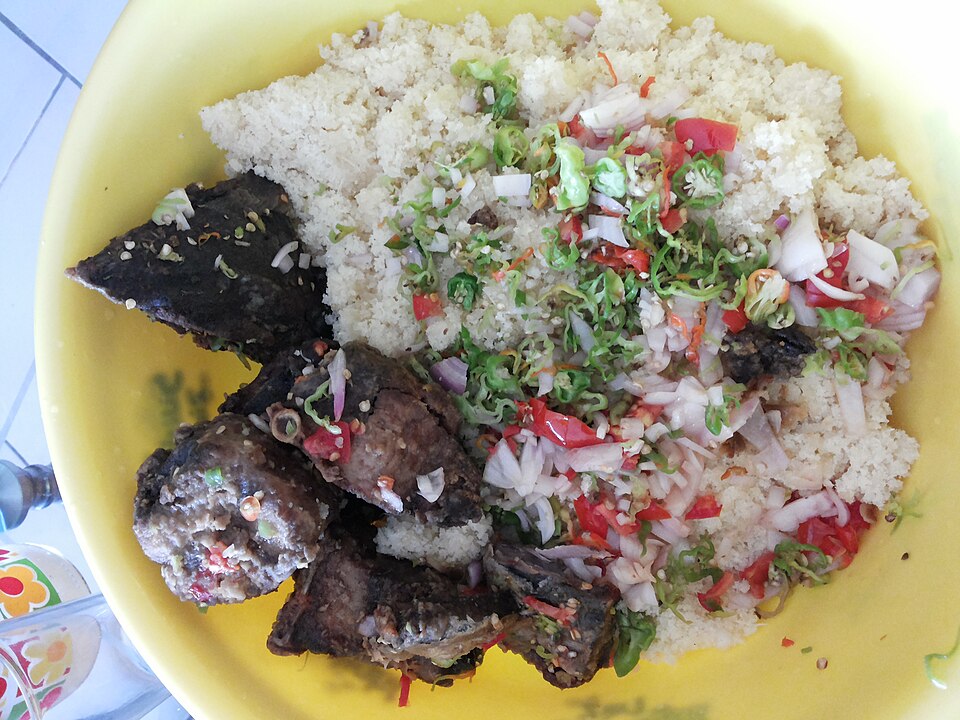
Garba
Ivorian · 35 min · 643 kcal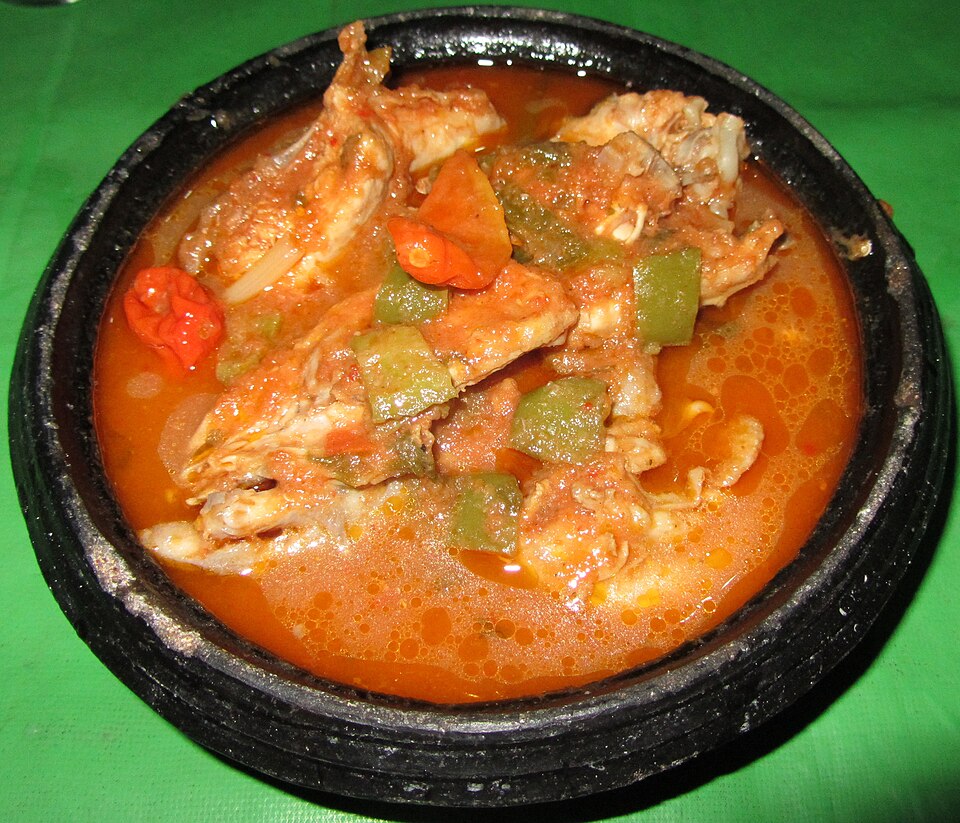
Kedjenou
Ivorian · 1 h 20 min · 583 kcal