
Fruits · Tropical fruit
Soursop pulp
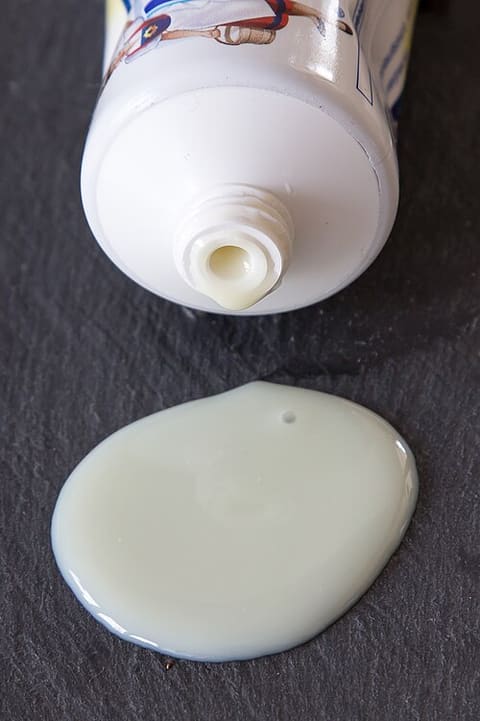
Creamy white pulp of the tropical soursop (guanábana), blended into juices, shakes, ice cream and sorbets.
Also called: guanábana, guanabana, graviola, corossol, custard apple (soursop), frozen soursop pulp, sour sop, laxman phal, durian belanda
What it is
Soursop is a large, green, spiny tropical fruit. Inside is soft, fibrous white flesh with black seeds. Its taste combines pineapple, strawberry, banana and citrus. Outside the tropics it is mostly sold as frozen pulp, which is blended with milk or water into drinks, or made into ice cream, mousses and sorbets.
Annona muricata
How it’s used
- Juice and milkshakes (batido de guanábana)
- Ice cream, sorbet and popsicles
- Mousse and cheesecake
- Caribbean soursop punch
Characteristics
- Taste
- Sweet-tart and tropical, like pineapple and strawberry with a creamy note.
- Texture
- Creamy and fibrous.
- Sold as
- frozen, fresh, canned
- Cooking uses
- Usually eaten raw
- Common in
- Caribbean, Colombian, Mexican, Venezuelan, Filipino, Vietnamese
Storage
Frozen. Keep frozen pulp frozen; fresh, ripe fruit should be eaten within a day or two.
Diet, allergens and safety
No major allergens in typical versions.
- Vegetarian
- Vegan
- Dairy-free
- Egg-free
- Gluten-free
- Nut-free
- Soy-free
- Caffeine-free
- Do not eat the seeds. Very heavy, regular consumption has been studied for a possible link to a neurological disorder; normal food use is not a known concern.
Nutrition per 100 g
- Energy
- 65 kcal
- Protein
- 0.705 g
- Carbohydrate
- 16.23 g
- Fat
- 0.39 g
- Fibre
- 2.55 g
- Sugars
- 11.73 g
USDA FoodData Central: Papayas, raw × 1.5 (a close stand-in).
Substitutes
Optional — what works if you don’t have it, and how it changes the dish.
- Cherimoya — A sweeter relative.
- Passion fruit — Mixed with banana and a little pineapple.
Related ingredients
Recipes with soursop pulp
Soursop ice cream
 Trinidadian · 6 h 35 min · 297 kcal · Vegetarian
More tropical fruit
Tropical fruit
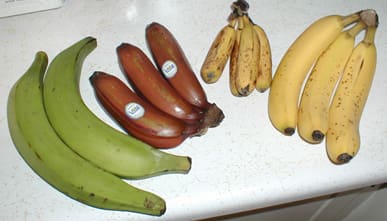
Banana
Soft, sweet, curved yellow fruit; eaten raw, blended into smoothies and mashed into breads and pancakes.
32 recipes
Tropical fruit
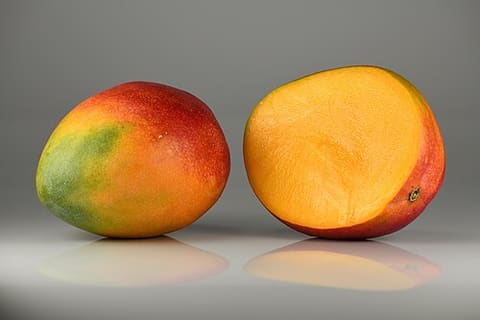
Mango
Juicy tropical stone fruit with golden, fragrant flesh; eaten ripe, blended into lassi or used green in pickles.
24 recipes
Tropical fruit
Mango pulp / nectar
Smooth, sweetened mango purée in cans, usually Alphonso or Kesar; for lassi, desserts and drinks.
1 recipe
Tropical fruit
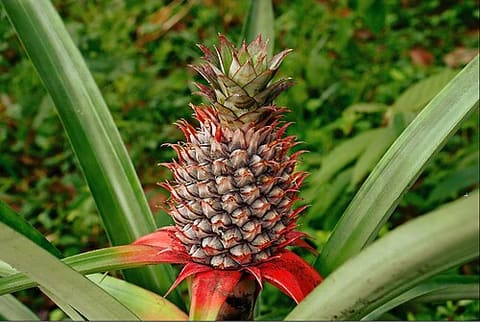
Pineapple
Spiky tropical fruit with sweet-tart, juicy yellow flesh; eaten fresh, grilled or cooked in curries and desserts.
27 recipes
Tropical fruit
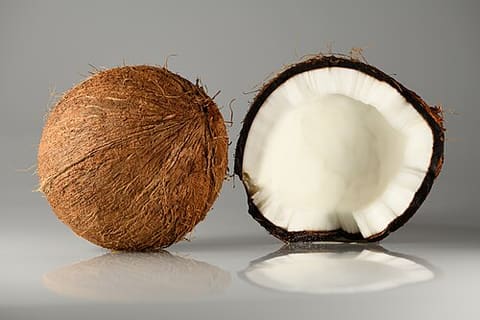
Coconut
The large, hard-shelled fruit of the coconut palm; its white flesh is grated fresh for curries, chutneys and sweets.
105 recipes
Tropical fruit
Desiccated coconut
Dried, finely grated or shredded coconut flesh; used in baking, sweets, curries and coatings.
52 recipes
Tropical fruit
Papaya
Pear-shaped tropical fruit with soft orange flesh and black seeds; eaten ripe with lime or green in salads.
11 recipes
Tropical fruit
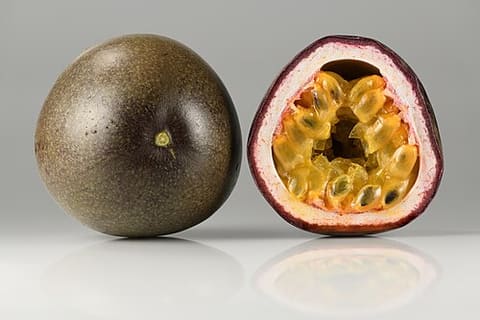
Passion fruit
Wrinkly purple or yellow fruit filled with tangy, fragrant pulp and crunchy seeds; for desserts and drinks.
5 recipes