
Fresh herbs · Fresh herbs
Pandan leaves
Long, bright green leaves with a sweet, vanilla-like, grassy aroma used across Southeast Asian cooking.
Also called: pandan, screwpine leaves, daun pandan, bai toey, lá dứa
Around the world: daun pandan (ms) · bai toei (th) · lá dứa (vi)
What it is
Pandan (screwpine) leaves are long, flat, blade-like leaves. They are not eaten but knotted and cooked with rice, or blended and strained for green juice that colours and flavours desserts. Their aroma is sweet, nutty and vanilla-like, often compared to fresh basmati rice.
Pandanus amaryllifolius
How it’s used
- Cooked with coconut rice such as nasi lemak
- Pandan cakes, kaya and jellies
- Wrapping chicken for frying
- Sweet drinks and syrups
Characteristics
- Aroma
- Sweet, grassy, vanilla-like.
- Sold as
- fresh, frozen, extract
- Cooking uses
- Commonly cooked, Mainly a seasoning
- Common in
- Malaysian, Indonesian, Thai, Singaporean, Vietnamese, Filipino, Sri Lankan
Storage
Frozen. Keep a few days in the fridge or freeze whole leaves in a bag.
Diet, allergens and safety
No major allergens in typical versions.
- Vegetarian
- Vegan
- Dairy-free
- Egg-free
- Gluten-free
- Nut-free
- Soy-free
- Caffeine-free
Substitutes
Optional — what works if you don’t have it, and how it changes the dish.
- Pandan extract — A few drops per leaf; often artificially coloured and stronger.
Related ingredients
Recipes with pandan leaves
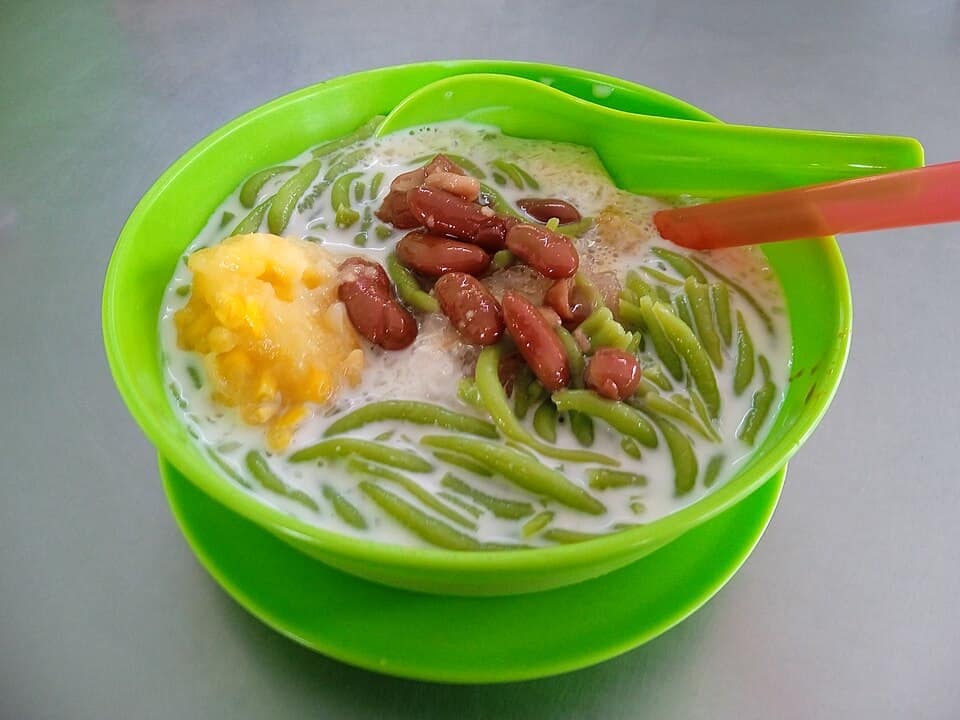
Es cendol
 Indonesian · 1 h 5 min · 300 kcal · Vegan
Fish ambul thiyal
 Sri Lankan · 50 min · 253 kcal

Kaya toast with soft-boiled eggs
 Singaporean · 45 min · 517 kcal · Contains egg
Kelupis
 Bruneian · 2 h 15 min · 327 kcal · Vegan
Kiri hodi
Sri Lankan · 25 min · 214 kcal · VeganKluai buat chi
 Thai · 20 min · 360 kcal · Vegan
Mas riha
 Maldivian · 45 min · 450 kcal
Seeni sambol
Sri Lankan · 55 min · 112 kcalSri Lankan black pork curry
Sri Lankan · 1 h 45 min · 610 kcalSri Lankan chicken curry
Sri Lankan · 1 h 35 min · 693 kcal
More fresh herbs
Fresh herbs
Fresh herbs
Leafy aromatic plants such as coriander, parsley, mint, basil and dill, used fresh for flavour and garnish.
830 recipes
Fresh herbs
Parsley
Bright green herb with a fresh, grassy taste; flat-leaf is preferred for cooking, curly for garnish.
186 recipes
Fresh herbs
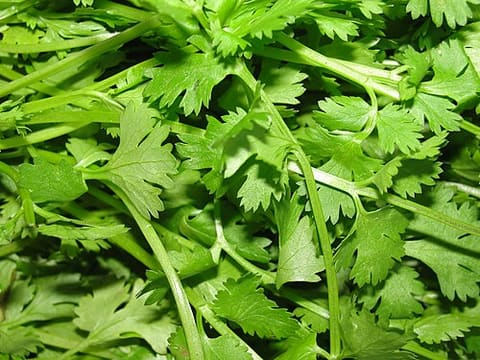
Coriander leaves
Fresh coriander leaves: the citrusy green herb of Indian, Mexican and Southeast Asian food.
385 recipes
Fresh herbs
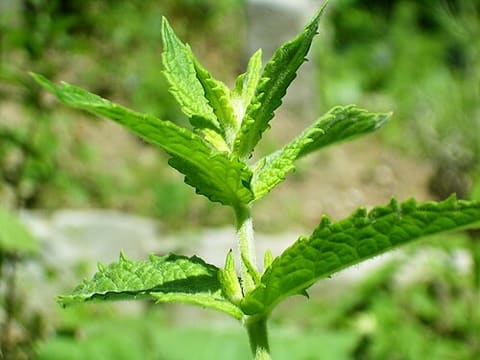
Mint
Cool, sweet-scented herb (usually spearmint) for chutneys, salads, drinks and lamb.
130 recipes
Fresh herbs
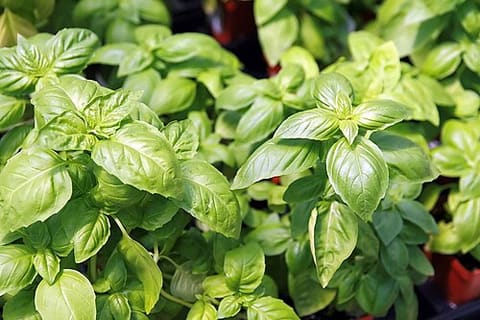
Basil
Tender, sweet herb: Italian sweet basil for pesto and tomatoes, Thai and holy basil for stir-fries.
55 recipes
Fresh herbs
Dill
Feathery, fresh herb with a sweet, anise-tinged flavour; essential in Nordic, Eastern European and Turkish dishes.
70 recipes
Fresh herbs
Chives
Thin, hollow green stems with a mild onion flavour, snipped over eggs, potatoes and soups.
40 recipes
Fresh herbs
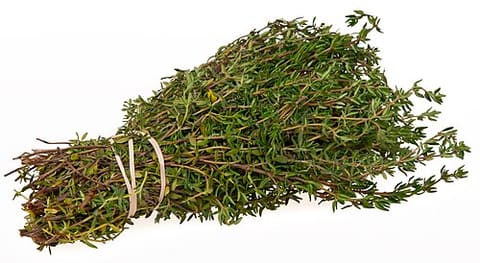
Thyme (fresh)
Woody herb with tiny leaves and an earthy, savoury aroma that holds up to long cooking.
42 recipes