
Roots and rhizomes
Prepared horseradish
Armoracia rusticana
Grated horseradish root in vinegar, a sinus-clearing condiment for roast beef, smoked fish and beetroot.
Also called: horseradish, grated horseradish, chrzan, křen, hrean
Around the world: chrzan (pl) · křen (cs) · hrean (ro) · khren (ru)
- Pungent & sulphurous
- Hot & numbing
- Medium
Flavour and aroma
sharp, nose-clearing, pungent, slightly sweet. Sharp, hot and pungent, felt in the nose more than the tongue.
- Heat
- Medium
- Forms
- paste, fresh
How to use it
use raw
Peel and finely grate fresh root in a well-ventilated place, then mix with vinegar and salt. Adding vinegar at once gives a milder result; waiting about 2–3 minutes gives more heat, because the pungency forms after grating and vinegar stops the reaction.
infuse · Simmering technique
Stir prepared horseradish into cream, sour cream or mayonnaise off the heat; cooking destroys its pungency.
- Served with roast beef and steak
- Smoked fish, gravlax and herring
- Cocktail sauce and Bloody Marys
- Mixed into mashed potato or beetroot relish (chrzan, hren)
- Easter and Passover tables in Eastern Europe
Identifying good quality
Fresh root: long, tapering, beige-brown and firm, white inside; avoid soft, sprouting or green-tinged roots. Prepared horseradish should be white to cream; it darkens and loses heat with age.
- Not to be confused with Wasabi: Most commercial 'wasabi' is horseradish dyed green. Real wasabi is green-fleshed, sweeter and less harsh.
Origin and history
Origin: Southeastern Europe and western Asia (Armoracia rusticana).. Grown and used: Grown in Central and Eastern Europe and the United States (notably Illinois); used in Central and Eastern European, British, Scandinavian, Jewish and American cooking..
Horseradish has been grown in Central and Eastern Europe since the Middle Ages and is a traditional condiment there (Kren, chrzan, křen, hrean). In Britain it became the standard sauce with roast beef, and in Ashkenazi Jewish practice it is used as maror at Passover and in chrain with beetroot.
Commonly told; not firmly documented
In masalas, pastes and sauces
Recipes with prepared horseradish
Cocktail sauce (American)
 American · 35 min · 34 kcal
Horseradish sauce
 British · 10 min · 67 kcal · Vegetarian
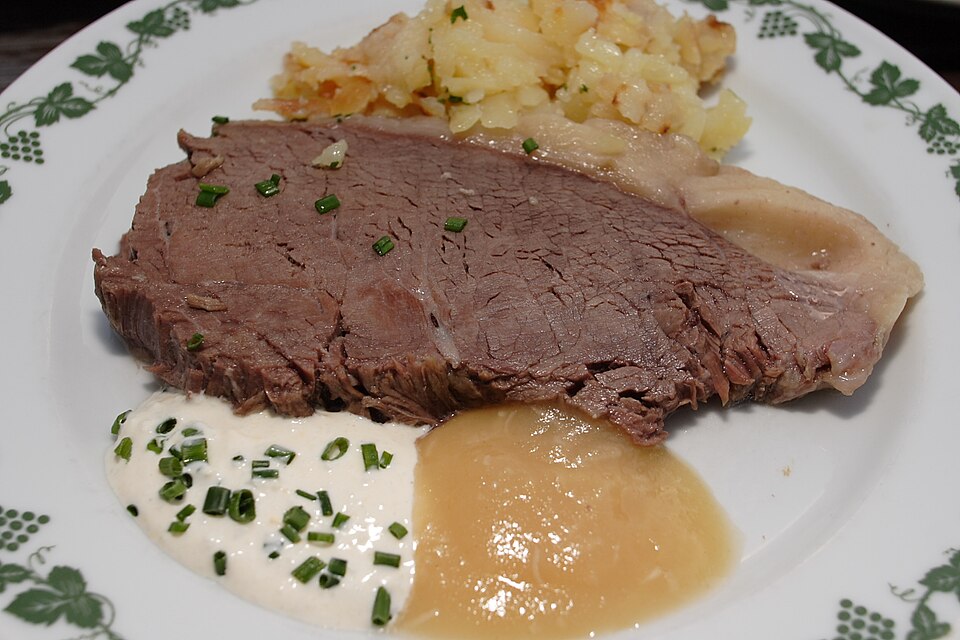
Tafelspitz
 Austrian · 3 h 20 min · 344 kcal
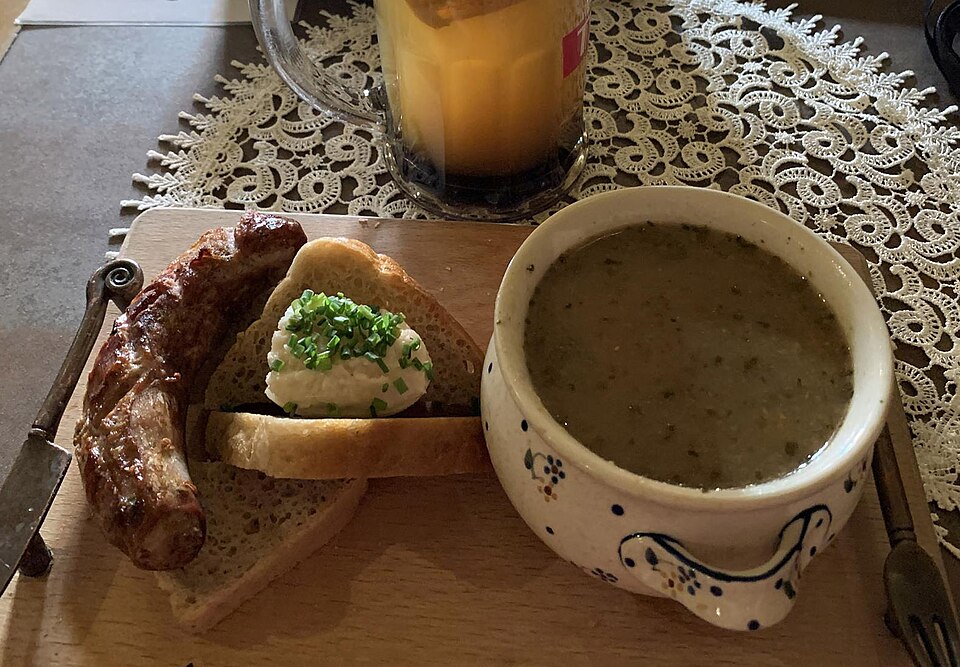
Żurek
 Polish · 1 h · 587 kcal