
Fresh herbs · Fresh herbs
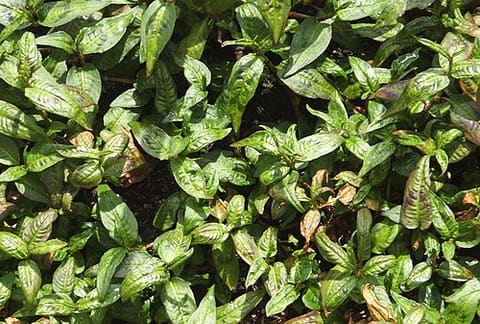
Laksa leaf (Vietnamese coriander)
Peppery, coriander-like Vietnamese coriander (daun kesum, rau răm); the herb that finishes curry laksa and assam laksa.
Also called: vietnamese coriander, daun kesum, daun laksa, rau ram, vietnamese mint, hot mint
Around the world: daun kesum, daun laksa (ms) · rau răm (vi)
A kind of fresh herbs
Photo: en:user:Peon374, via Wikimedia Commons (public-domain)
What it is
The narrow pointed leaves of Persicaria odorata, often with a dark mark in the middle. It is not related to true coriander or mint, though it is sometimes sold as 'Vietnamese mint'. In Malaysia and Singapore it is the herb for laksa; in Vietnam it is eaten with salads, eggs and duck.
Persicaria odorata
How it’s used
- Scattered over curry laksa and assam laksa
- Shredded into Vietnamese salads and with balut
- Pounded into some laksa pastes
Characteristics
- Taste
- Hot, peppery and lemony with a coriander note.
- Aroma
- Strong and spicy.
- Sold as
- fresh
- Cooking uses
- Usually eaten raw, Used as a garnish
- Common in
- Malaysian, Singaporean, Vietnamese, Indonesian
Storage
Refrigerated. Stand stems in water or wrap in damp paper; use within a few days.
Diet, allergens and safety
No major allergens in typical versions.
- Vegetarian
- Vegan
- Dairy-free
- Egg-free
- Gluten-free
- Nut-free
- Soy-free
- Caffeine-free
Nutrition per 100 g
- Energy
- 23 kcal
- Protein
- 2.13 g
- Carbohydrate
- 3.67 g
- Fat
- 0.52 g
- Fibre
- 2.8 g
- Sugars
- 0.87 g
USDA FoodData Central: Coriander (cilantro) leaves, raw (a close stand-in).
Substitutes
Optional — what works if you don’t have it, and how it changes the dish.
- Mint — Mix mint with coriander leaves.
- Coriander leaves — With a little mint for freshness.
Related ingredients
Recipes with laksa leaf (vietnamese coriander)
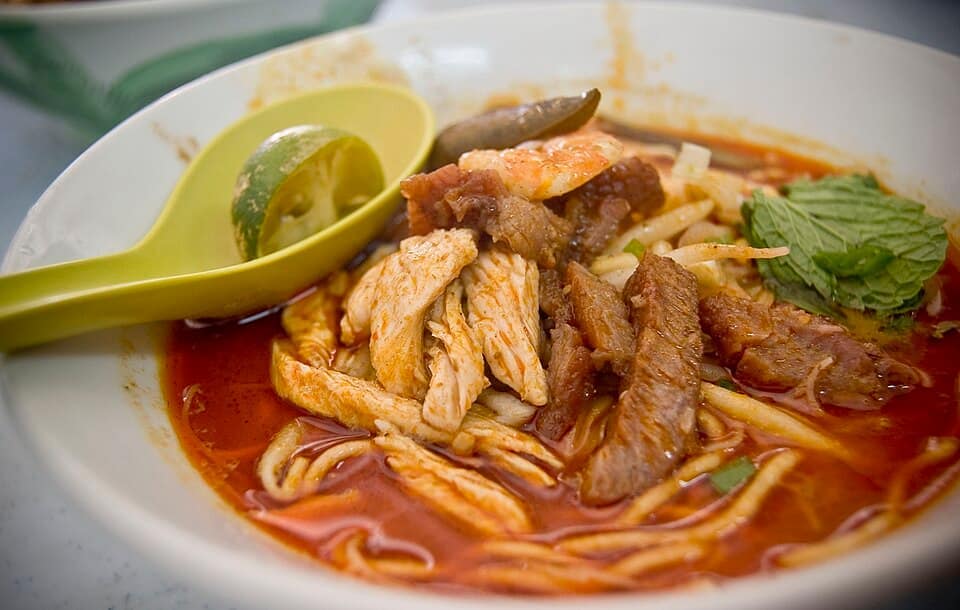
Curry laksa
 Malaysian · 1 h 5 min · 950 kcal
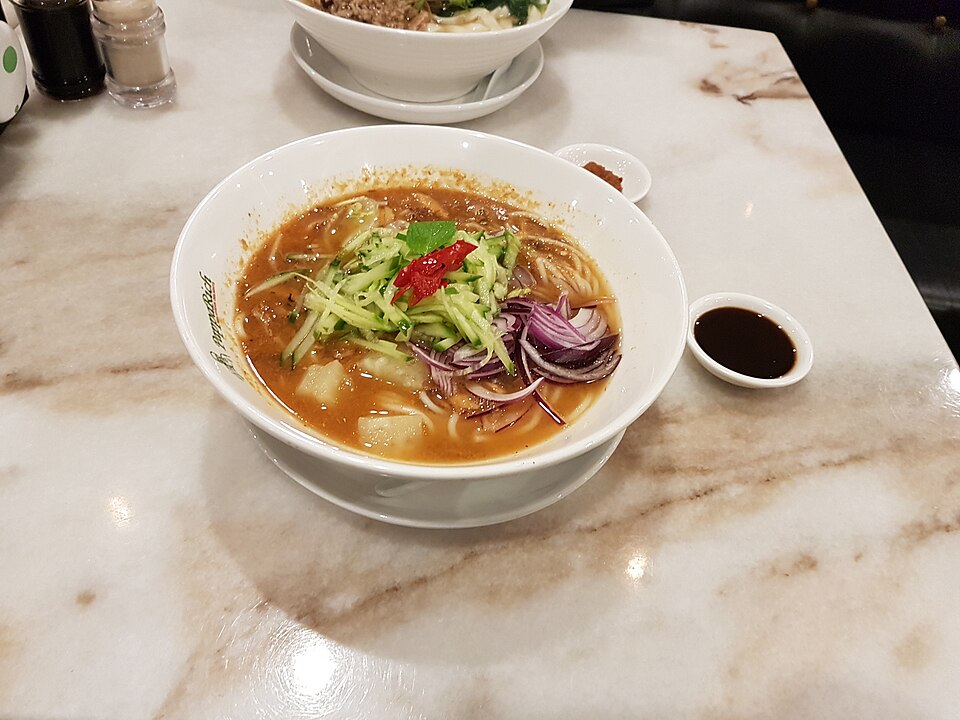
Penang assam laksa
Malaysian · 1 h 15 min · 673 kcal
More fresh herbs
Fresh herbs
Fresh herbs
Leafy aromatic plants such as coriander, parsley, mint, basil and dill, used fresh for flavour and garnish.
830 recipes
Fresh herbs
Parsley
Bright green herb with a fresh, grassy taste; flat-leaf is preferred for cooking, curly for garnish.
186 recipes
Fresh herbs
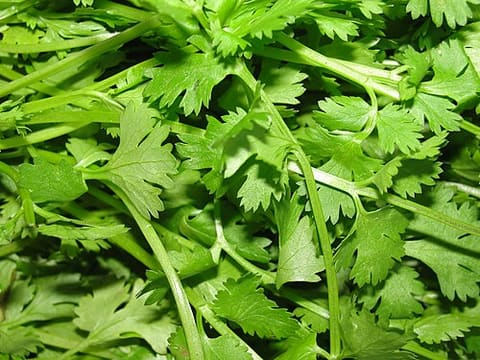
Coriander leaves
Fresh coriander leaves: the citrusy green herb of Indian, Mexican and Southeast Asian food.
385 recipes
Fresh herbs
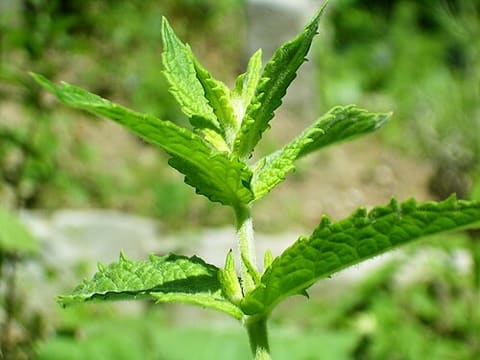
Mint
Cool, sweet-scented herb (usually spearmint) for chutneys, salads, drinks and lamb.
130 recipes
Fresh herbs
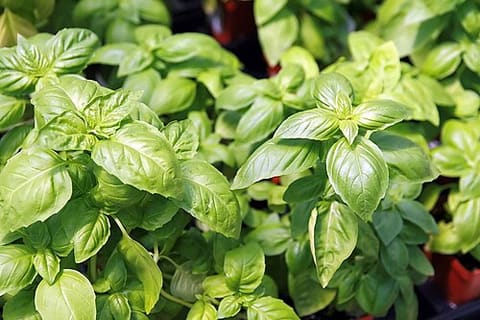
Basil
Tender, sweet herb: Italian sweet basil for pesto and tomatoes, Thai and holy basil for stir-fries.
55 recipes
Fresh herbs
Dill
Feathery, fresh herb with a sweet, anise-tinged flavour; essential in Nordic, Eastern European and Turkish dishes.
70 recipes
Fresh herbs
Chives
Thin, hollow green stems with a mild onion flavour, snipped over eggs, potatoes and soups.
40 recipes
Fresh herbs
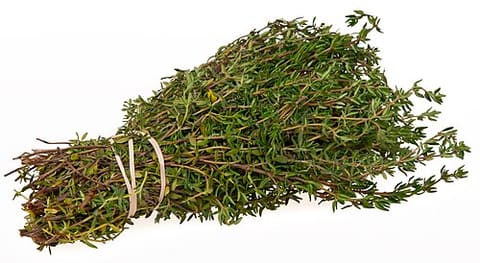
Thyme (fresh)
Woody herb with tiny leaves and an earthy, savoury aroma that holds up to long cooking.
42 recipes