
Eggs & dairy · Milk & cream
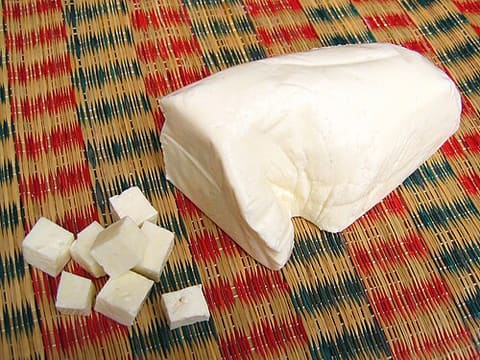
Khoya (mawa)
Milk slowly cooked down to soft, fudgy solids; the base of North Indian milk sweets and of sweet khoya parathas.
Also called: mawa, khoa, khova, milk solids
Around the world: khoya, mawa, खोया, मावा (hi)
A kind of milk
What it is
Whole milk simmered in a wide pan and stirred for a long time until most of the water evaporates and only the milk solids remain, about a fifth of the original weight. It is sold fresh in soft blocks or crumbly lumps, and is also called mawa or khoa. It is not a cheese: no acid or rennet is used.
How it’s used
- Crumbled into barfi, peda, gulab jamun and gajar halwa
- Mixed with sugar, cardamom and nuts as a paratha or gujiya filling
- Stirred into rich gravies such as shahi paneer
Characteristics
Storage
Refrigerated. Very perishable: keep covered in the fridge and use within 2–3 days, or freeze for up to 2 months.
Diet, allergens and safety
Contains Milk.
- Vegetarian
- Vegan
- Dairy-free
- Egg-free
- Gluten-free
- Nut-free
- Soy-free
- Caffeine-free
- Buy from a trusted source and smell it before use; spoiled khoya smells sour.
Nutrition per 100 g
- Energy
- 382 kcal
- Protein
- 20.266 g
- Carbohydrate
- 29.583 g
- Fat
- 20.567 g
- Fibre
- 0 g
- Sugars
- 29.583 g
USDA FoodData Central: Milk, dry, whole, with added vitamin D × 0.77 (a close stand-in).
Substitutes
Optional — what works if you don’t have it, and how it changes the dish.
- Milk powder — Knead 1 cup milk powder with 2–3 tbsp warm milk and 1 tbsp ghee, then warm gently until it comes together.
Related ingredients
Recipes with khoya (mawa)
Khoya paratha
 Indian · 1 h 4 min · 422 kcal · Vegetarian
More milk & cream
Milk & cream
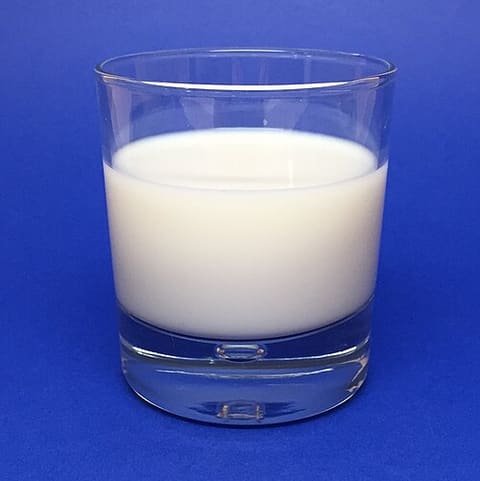
Milk
Cow's milk, usually whole (full-fat), used for drinking, sauces, batters, puddings, tea and baking.
317 recipes
Milk & cream
Evaporated milk
Unsweetened canned milk cooked down to about half its volume, with a creamy, slightly caramelised taste.
21 recipes
Milk & cream
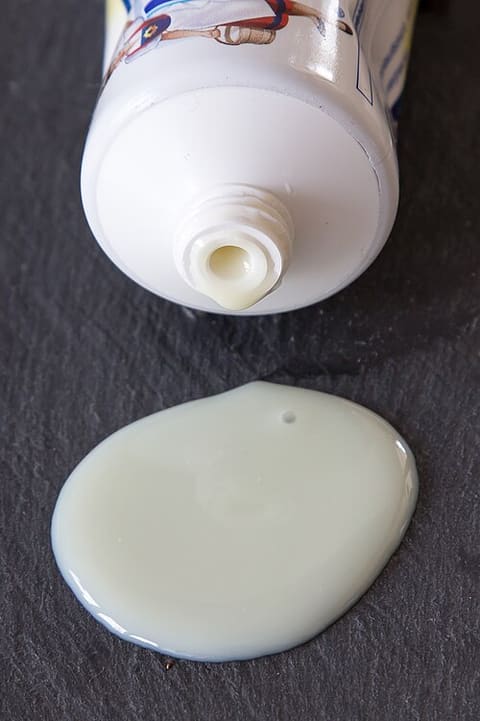
Sweetened condensed milk
Thick, very sweet canned milk used for fudge, flans, no-bake desserts, sweet coffee and tea.
20 recipes
Milk & cream
Cream
The fat-rich layer skimmed from milk, sold in grades from pouring cream to double cream and cultured creams.
144 recipes
Milk & cream
Heavy cream
High-fat cream (about 35–48% fat) that whips into peaks and enriches sauces without curdling.
84 recipes
Milk & cream
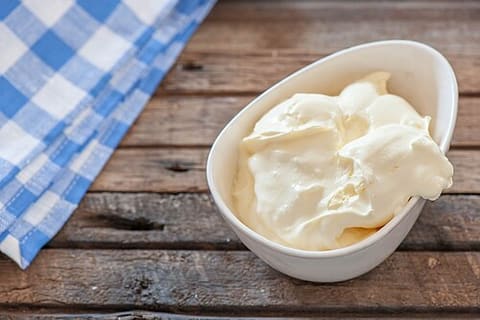
Sour cream
Thick, tangy cultured cream spooned onto tacos, potatoes and soups, or stirred into dips and bakes.
58 recipes
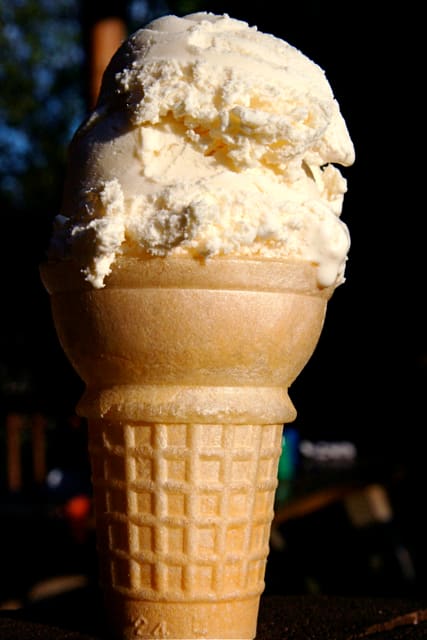
Milk & cream
Vanilla ice cream
Frozen sweetened cream and milk, here vanilla, served as a dessert or alongside pies, cakes and fruit.
11 recipes
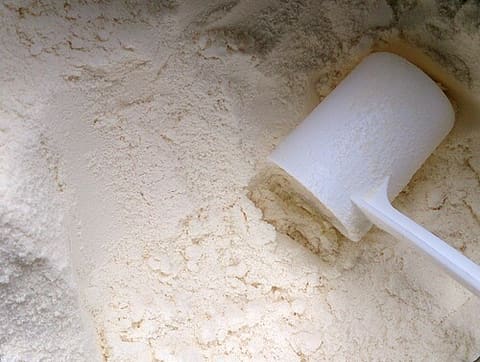
Milk & cream
Milk powder
Dried milk that keeps in the cupboard; reconstituted with water or added to doughs, sweets and drinks.
6 recipes