
Eggs & dairy · Soft & blue cheeses
Goat cheese
Tangy goat's-milk cheese, most often fresh, soft and spreadable (chèvre), for salads, tarts and toasts.
Also called: chèvre, chevre, goats cheese
A kind of cheese
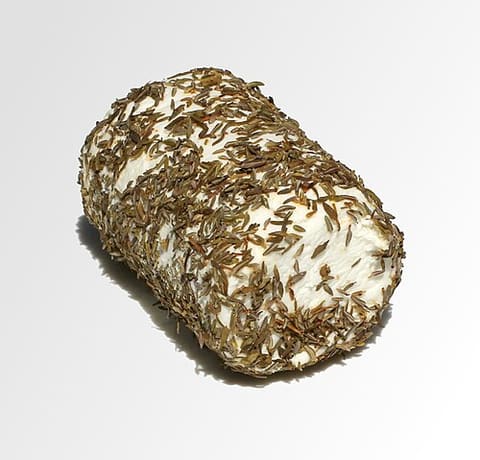
Photo: M0tty, via Wikimedia Commons (CC-BY-SA-3.0)
What it is
Goat cheese covers many styles, but most shops sell fresh chèvre: a soft white log with a distinctive tangy, slightly earthy flavour. Ripened goat cheeses develop a bloomy or ash-coated rind and firmer paste. It is creamier and less salty than feta.
How it’s used
- Warm goat cheese salads with beetroot or walnuts
- Tarts and quiches with caramelised onion
- Crumbled over pizza, pasta and roasted vegetables
- Spread on toast with honey
Characteristics
- Taste
- Tangy, fresh and lightly earthy (goaty).
- Texture
- Soft, creamy and slightly crumbly.
- When cooked
- Softens and browns when baked or grilled but stays in rounds rather than running.
- Sold as
- fresh, fermented
- Cooking uses
- Usually eaten raw, Commonly cooked, Suitable for baking, Used as a garnish
- Common in
- French, Spanish, Greek, Mediterranean, American
Storage
Refrigerated. Keep wrapped in the fridge and use within a week or so of opening; aged rinded goat cheese keeps a bit longer.
Diet, allergens and safety
Contains Milk.
- Vegetarian
- Vegan
- Dairy-free
- Egg-free
- Gluten-free
- Nut-free
- Soy-free
- Caffeine-free
- Contains milk (allergen); goat's milk is not a safe swap for people with cow's-milk allergy.
- Soft mould-ripened goat cheeses are commonly advised against in pregnancy unless cooked until steaming hot.
Nutrition per 100 g
- Energy
- 264 kcal
- Protein
- 18.52 g
- Carbohydrate
- 0 g
- Fat
- 21.08 g
- Fibre
- 0 g
- Sugars
- 0 g
USDA FoodData Central: Cheese, goat, soft type.
Substitutes
Optional — what works if you don’t have it, and how it changes the dish.
- Feta — 1:1 in salads; saltier.
- Cream cheese — Mixed with a little lemon juice for tang in spreads and tarts.
Related ingredients

Recipes with goat cheese
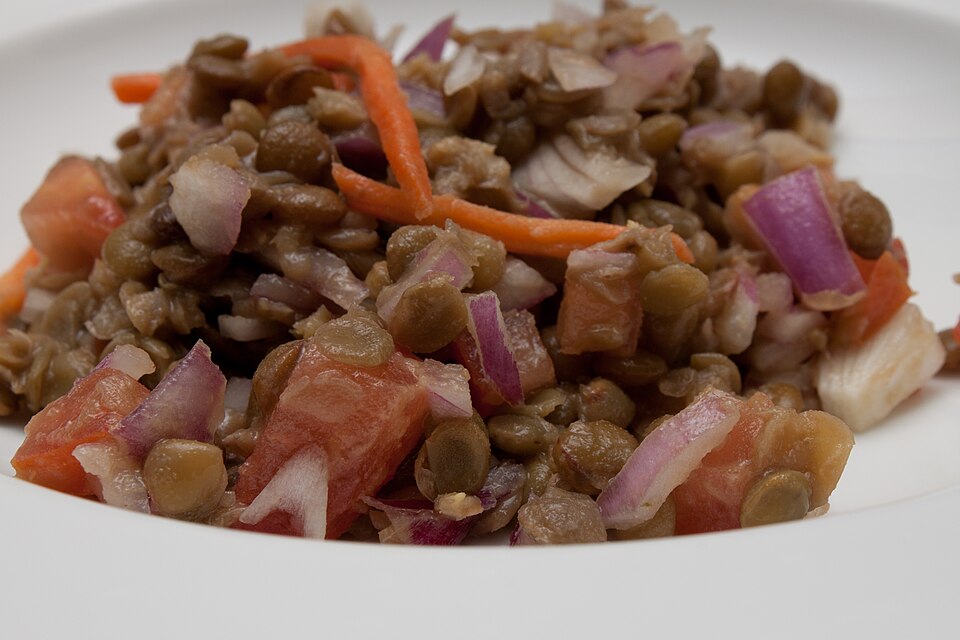
Salade de lentilles
 French · 45 min · 392 kcal · Vegetarian