
Eggs & dairy · Soft & blue cheeses
Blue cheese
Cheese ripened with blue-green Penicillium mould veins; pungent, salty and creamy, from Gorgonzola to Stilton.
Also called: gorgonzola, roquefort, stilton
A kind of cheese
What it is
Blue cheeses are pierced during ripening so blue or green mould grows in veins through the paste. Famous examples include Italian Gorgonzola (soft, creamy), French Roquefort (sheep's milk, sharp and salty) and English Stilton (firmer and crumbly). Strength ranges from mild and buttery to very sharp.
How it’s used
- Blue cheese dressing and dips for wings
- Crumbled over salads with pears and walnuts
- Melted into sauces for steak, gnocchi or pasta
- Cheese boards with honey or figs
Characteristics
Storage
Refrigerated. Wrap in foil or waxed paper, kept away from other foods so its mould and smell do not spread.
Diet, allergens and safety
Contains Milk.
- Vegetarian
- Vegan
- Dairy-free
- Egg-free
- Gluten-free
- Nut-free
- Soy-free
- Caffeine-free
- Contains milk (allergen).
- Soft blue cheeses (and any from unpasteurised milk) are commonly advised against in pregnancy unless cooked until steaming hot.
Nutrition per 100 g
- Energy
- 353 kcal
- Protein
- 21.4 g
- Carbohydrate
- 2.34 g
- Fat
- 28.74 g
- Fibre
- 0 g
- Sugars
- 0.5 g
USDA FoodData Central: Cheese, blue.
Substitutes
Optional — what works if you don’t have it, and how it changes the dish.
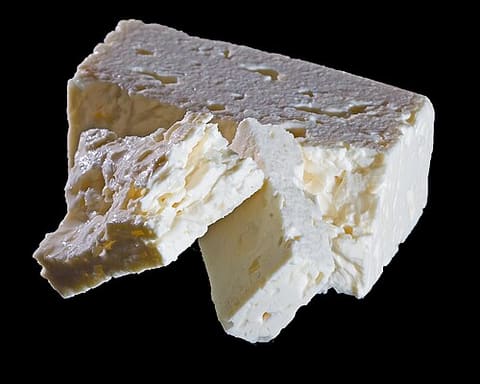
- Feta — 1:1 in salads for a salty tang; lacks the pungency.
Related ingredients
Recipes with blue cheese
Blue cheese dressing
 American · 40 min · 152 kcal

Buffalo wings
American · 1 h 30 min · 714 kcal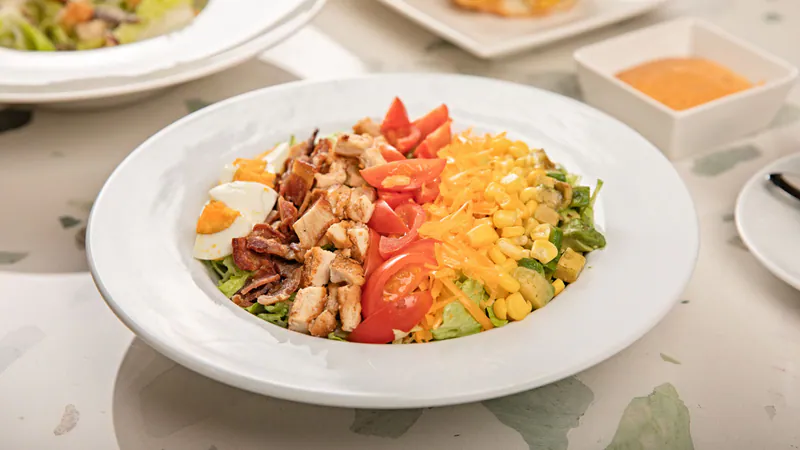
Cobb salad
American · 40 min · 698 kcalWedge salad
American · 23 min · 330 kcal