
Fruits · Berries
Cranberries (fresh)
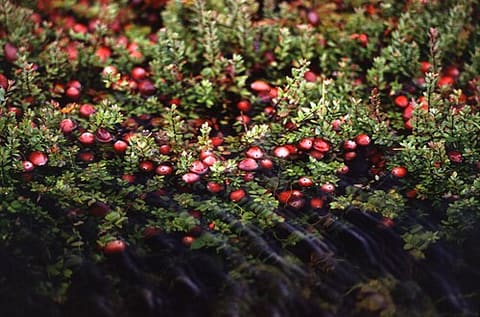
Hard, bright-red, very tart North American berries, cooked into cranberry sauce, relishes and baked goods.
Also called: fresh cranberries, frozen cranberries, cranberry
A kind of berries
Photo: Photo by Keith Weller, via Wikimedia Commons (public-domain)
What it is
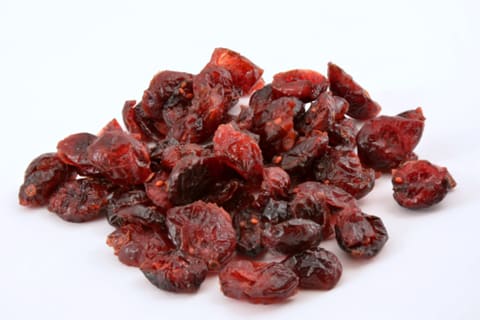
Small, glossy red berries from a low trailing shrub (Vaccinium macrocarpon) grown in bogs in North America. They are hollow and bounce when fresh, and are far too sour to eat raw by the handful. They are sold fresh in autumn and frozen all year; dried cranberries are sweetened and are a different product.
Vaccinium macrocarpon
How it’s used
- Simmered with sugar into cranberry sauce for turkey
- Raw relish blitzed with orange and sugar
- Baked into muffins, scones and loaf cakes
- Juiced or made into compotes and chutneys
Characteristics
- Taste
- Sharply sour and slightly bitter, with a clean fruity aroma once sweetened.
- Texture
- Firm and crisp raw; they pop and collapse when heated.
- Appearance
- Glossy, deep-red berries 1–2 cm across; good ones are firm, never shrivelled.
- When cooked
- High in pectin: a few minutes' boiling with sugar makes them burst and set into a soft jelly as they cool.
- Sold as
- fresh, frozen, dried
- Cooking uses
- Commonly cooked, Suitable for baking
Storage
Refrigerated. Keep fresh berries in their bag in the fridge for 3–4 weeks; freeze for up to a year and cook straight from frozen.
Diet, allergens and safety
No major allergens in typical versions.
- Vegetarian
- Vegan
- Dairy-free
- Egg-free
- Gluten-free
- Nut-free
- Soy-free
- Caffeine-free
Nutrition per 100 g
- Energy
- 46 kcal
- Protein
- 0.46 g
- Carbohydrate
- 11.97 g
- Fat
- 0.13 g
- Fibre
- 3.6 g
- Sugars
- 4.27 g
USDA FoodData Central: Cranberries, raw.
Substitutes
Optional — what works if you don’t have it, and how it changes the dish.
- Lingonberry jam — Use as a ready-made sauce; sweeter, so skip extra sugar.
- Sour cherries — In sauces and baking; softer and less sharp.
Related ingredients
Recipes with cranberries (fresh)
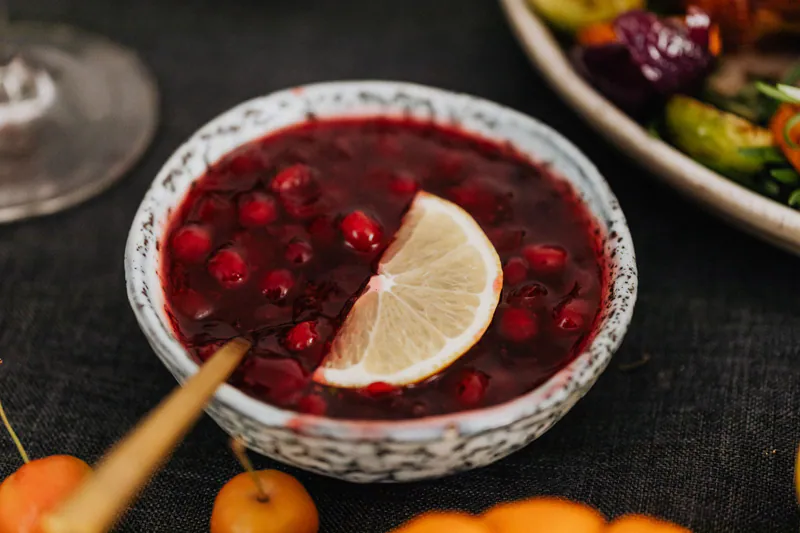
Cranberry sauce
 American · 1 h 17 min · 74 kcal · Vegan
More berries
Berries
Berries
Small, soft fruits such as strawberries, blueberries, raspberries and blackberries, fresh or frozen.
31 recipes
Berries
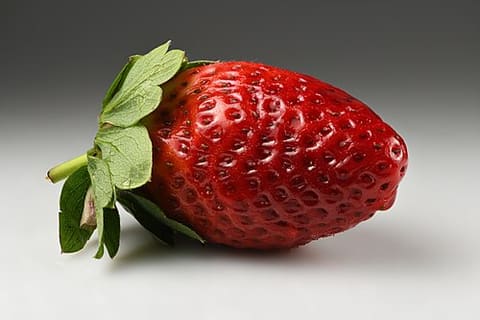
Strawberries
Sweet, fragrant red berries with seeds on the outside; eaten fresh and used in desserts, jams and smoothies.
17 recipes
Berries
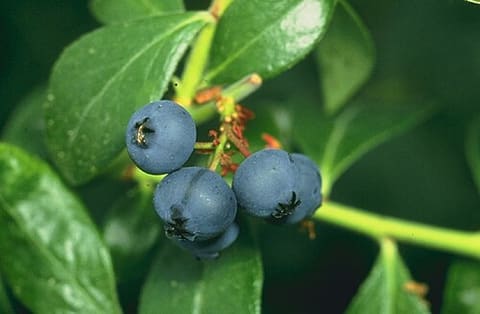
Blueberries
Small, round, dusky-blue berries; sweet and mild, for muffins, pancakes, smoothies and breakfast bowls.
11 recipes
Berries
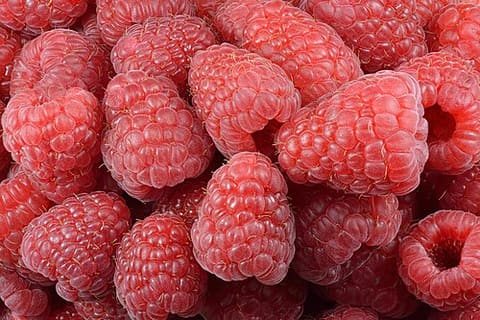
Raspberries
Soft, hollow red berries with a tart-sweet flavour; for desserts, sauces, jams and topping breakfasts.
9 recipes
Berries
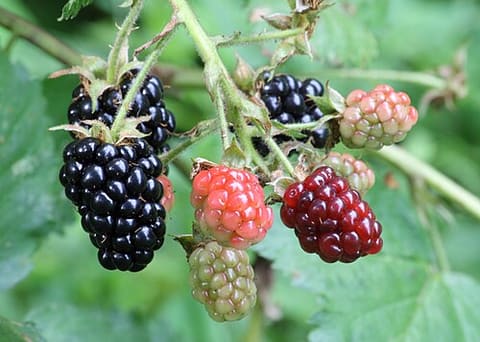
Blackberries
Large, glossy black bramble berries; juicy and tart-sweet, great in crumbles, jams and sauces.
1 recipe