Baking essentials · Thickeners & gums
Almond gum (badam pisin)
Amber resin from almond trees, soaked overnight into a soft clear jelly for badam pisin drinks, falooda and desserts.
Also called: badam pisin, badam gond, almond resin
What it is
A natural gum that oozes from almond (and related) trees and hardens into irregular amber or golden crystals. Soaked in water for 8–12 hours, a small amount swells many times into a soft, translucent, wobbly jelly. It is often confused with gond katira (tragacanth gum), which looks whiter and swells similarly, and with edible gum (gond) used fried in laddoos.
How it’s used
- Soaked and added to rose milk, nannari sarbath and jigarthanda
- In falooda and fruit desserts
- Stirred into payasam or cold milk drinks
Characteristics
- Taste
- Neutral.
- Texture
- Soft, slippery, jelly-like after soaking.
- Appearance
- Dry: hard amber crystals. Soaked: clear, pale gel lumps.
- When cooked
- Swells hugely in water; does not dissolve or set liquid like gelatin.
- Sold as
- whole
- Cooking uses
- Usually eaten raw
- Common in
- South Indian, Indian
Storage
Cool, dry and dark. Keep dry crystals in an airtight jar; they keep for a long time. Refrigerate soaked gum and use within a couple of days.
Diet, allergens and safety
No major allergens in typical versions.
- Vegetarian
- Vegan
- Dairy-free
- Egg-free
- Gluten-free
- Nut-free
- Soy-free
- Caffeine-free
- Despite the name it is not a nut kernel; people with tree-nut allergy should still check with care, as sourcing and processing vary.
- Use only a little dry gum; it expands a lot. Soak fully before eating.
Substitutes
Optional — what works if you don’t have it, and how it changes the dish.
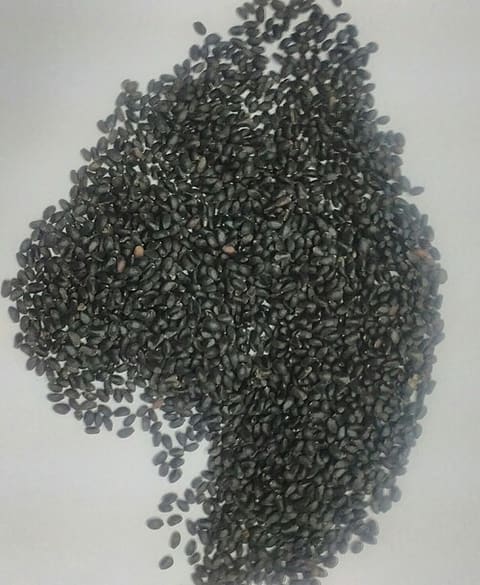
- Sweet basil seeds (sabja) — Gives a similar slippery texture in drinks; soak 15 minutes.
Related ingredients
Recipes with almond gum (badam pisin)
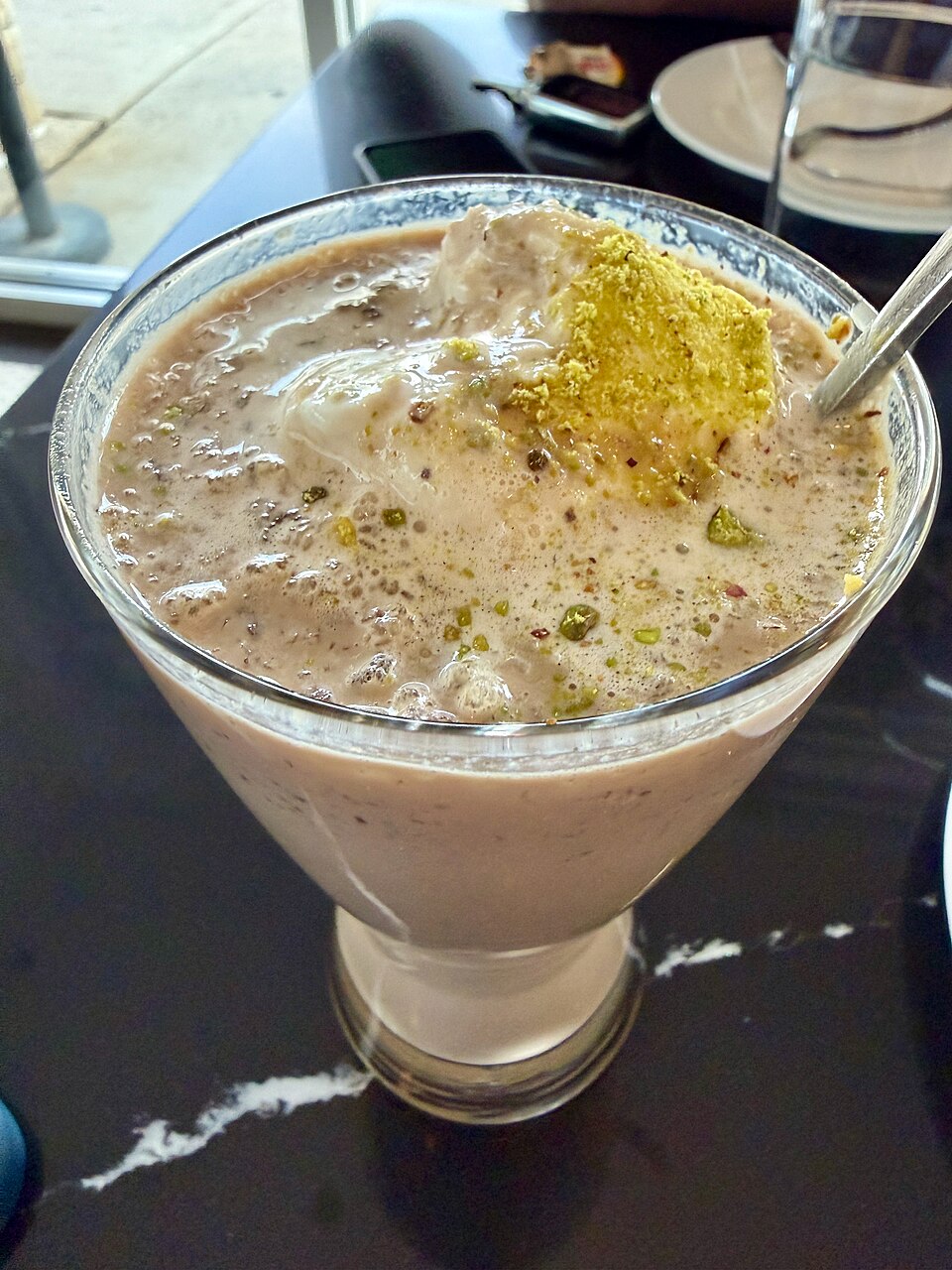
Jigarthanda
 Indian · 9 h 35 min · 467 kcal · Vegetarian