
Nuts & seeds · Nut butters
Almond butter
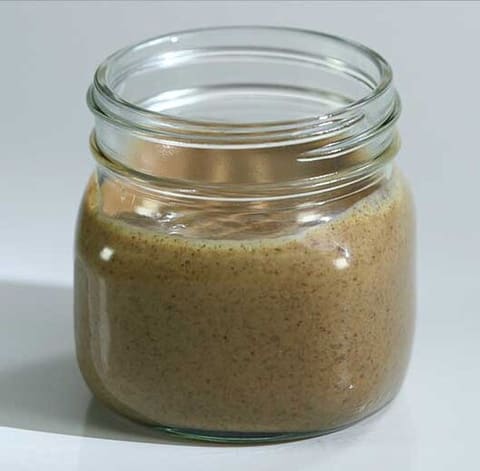
Paste of ground almonds, usually roasted; spread on toast, blended into smoothies or used in sauces and baking.
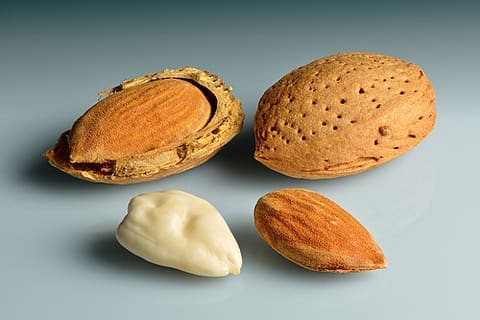
A kind of almonds
Photo: Breville USA, via Wikimedia Commons (CC-BY-2.0)
What it is
Almond butter is almonds ground until their oil releases into a thick paste, smooth or crunchy, made from roasted or raw nuts. It is milder and slightly sweeter than peanut butter, and its natural oil separates on standing. It is the usual alternative for people avoiding peanuts (but not for tree-nut allergies).
How it’s used
- Spread on toast and fruit
- Blended into smoothies and dressings
- Used in cookies, energy balls and bars
- Whisked into sauces for noodles and stir-fries
Characteristics
- Taste
- Mild, nutty and lightly sweet.
- Texture
- Thick and creamy or crunchy.
- Sold as
- paste
- Cooking uses
- Usually eaten raw, Suitable for baking
- Common in
- American, International
Storage
Pantry-stable. Keep in a cool cupboard; refrigerate after opening for longer freshness. Stir in separated oil.
Diet, allergens and safety
Contains Tree nuts.
- Vegetarian
- Vegan
- Dairy-free
- Egg-free
- Gluten-free
- Nut-free
- Soy-free
- Caffeine-free
- Tree nuts are a major allergen; an allergy to one nut does not rule out others, and nuts are often packed on shared lines, so check 'may contain' warnings.
Nutrition per 100 g
- Energy
- 614 kcal
- Protein
- 20.96 g
- Carbohydrate
- 18.82 g
- Fat
- 55.5 g
- Fibre
- 10.3 g
- Sugars
- 4.43 g
USDA FoodData Central: Nuts, almond butter, plain, without salt added.
Substitutes
Optional — what works if you don’t have it, and how it changes the dish.
- Peanut butter — Swap 1:1; stronger flavour, and a peanut allergen.
- Tahini — In savoury sauces; thinner and more bitter.
Related ingredients
Recipes with almond butter
No recipe in the catalogue uses it yet.