
Vegetables · Salad leaves
Watercress
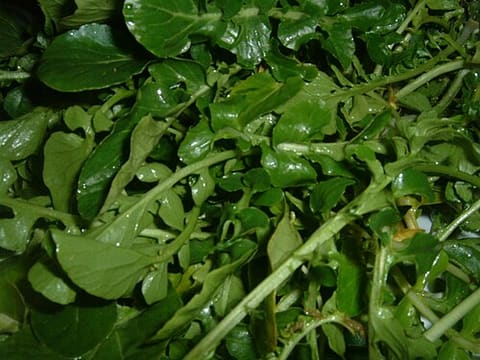
Peppery aquatic green with small round leaves and juicy stems, eaten raw in salads or in soups.
Also called: su teresi
Photo: Masparasol, via Wikimedia Commons (CC-BY-3.0)
What it is
Watercress grows in running water and has clusters of small, round, dark-green leaves on hollow, crunchy stems. It has a hot, mustardy bite similar to rocket. Garden cress (sold as tiny sprouts) is a different plant, though both are sometimes just called cress.
Nasturtium officinale
How it’s used
- Salads and sandwiches
- Blended into soups
- Garnish for roast meats
- Quickly stir-fried in Cantonese and Southeast Asian cooking
- Simmered in Chinese pork and watercress soup
Characteristics
Storage
Refrigerated. Refrigerate in its bag or with stems in water, covered; use within a couple of days.
Diet, allergens and safety
No major allergens in typical versions.
- Vegetarian
- Vegan
- Dairy-free
- Egg-free
- Gluten-free
- Nut-free
- Soy-free
- Caffeine-free
- Wild watercress may carry parasites from contaminated water; buy cultivated cress and wash well.
Nutrition per 100 g
- Energy
- 11 kcal
- Protein
- 2.3 g
- Carbohydrate
- 1.29 g
- Fat
- 0.1 g
- Fibre
- 0.5 g
- Sugars
- 0.2 g
USDA FoodData Central: Watercress, raw.
Substitutes
Optional — what works if you don’t have it, and how it changes the dish.
- Rocket — Raw uses; same quantity.
Related ingredients
Recipes with watercress
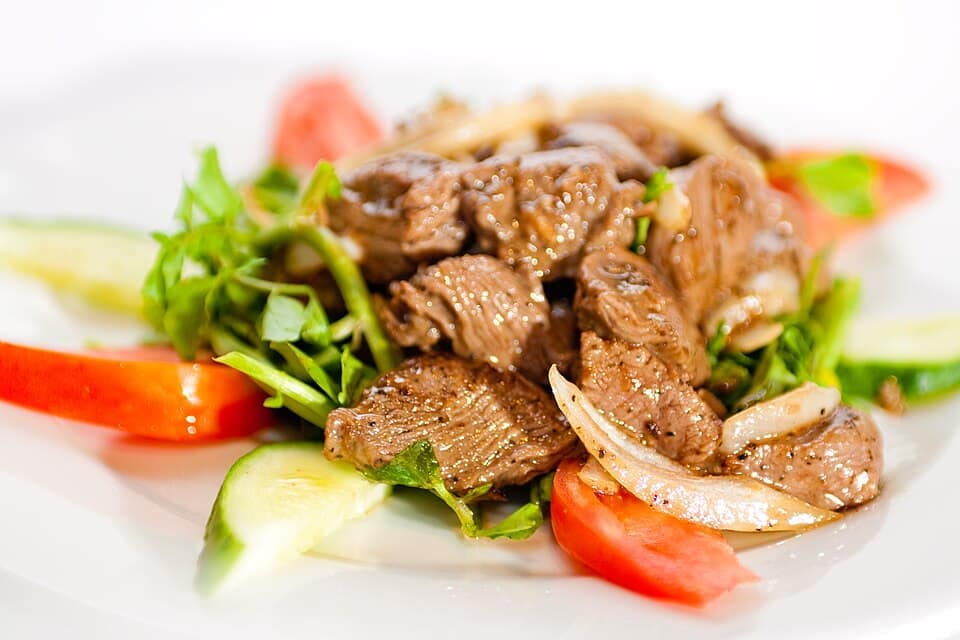
Bò lúc lắc (shaking beef)
 Vietnamese · 53 min · 396 kcal
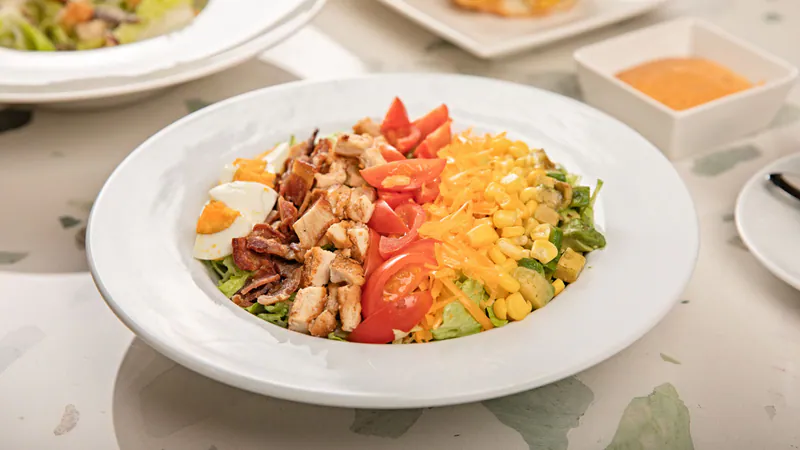
Cobb salad
 American · 40 min · 698 kcal
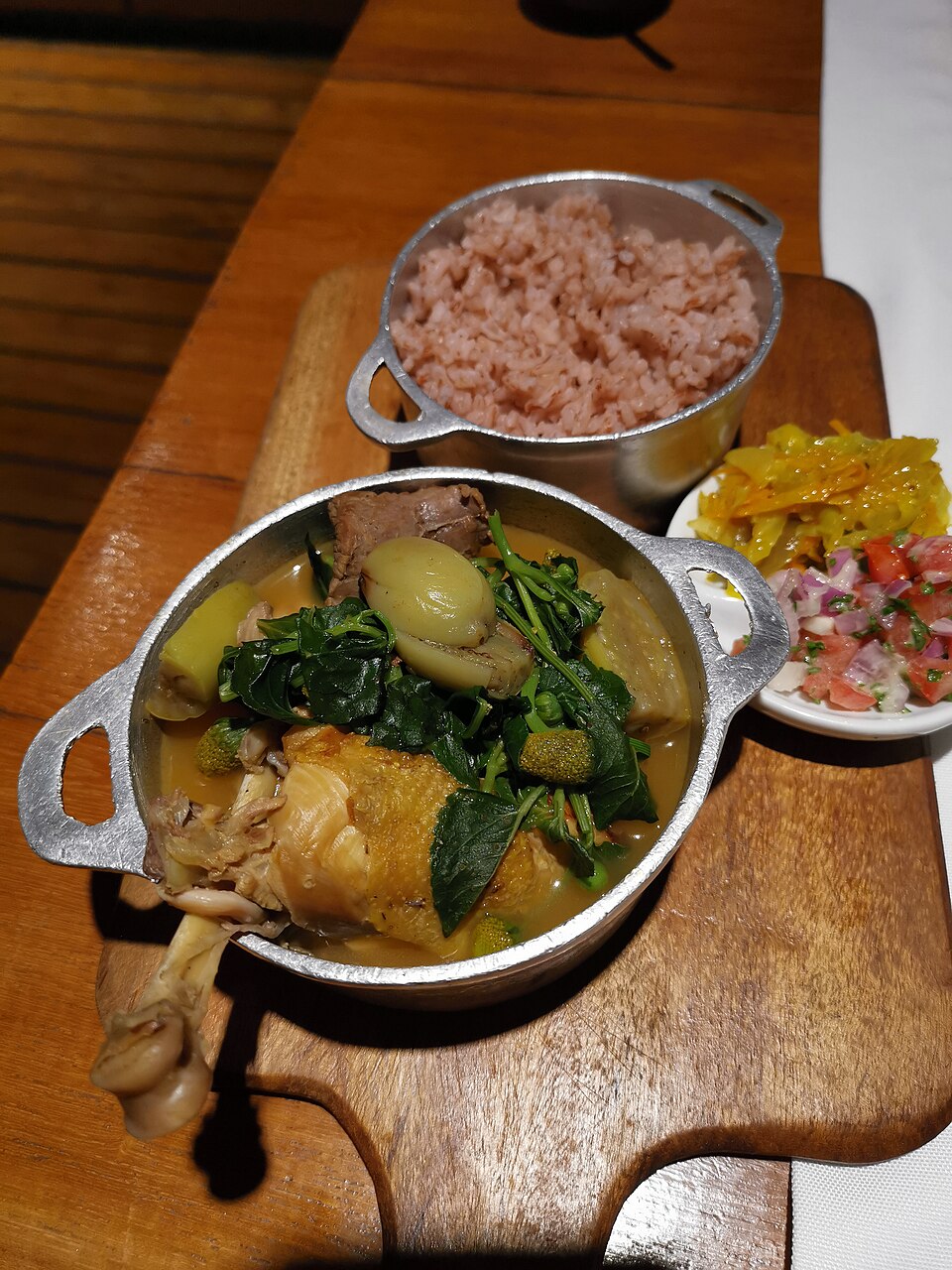
Romazava
 Malagasy · 2 h · 278 kcal
Warm salmon and potato salad with dill-mustard dressing
International · 32 min · 750 kcal
More salad leaves
Salad leaves
Lettuce
Mild, crisp salad leaves sold as heads (romaine, little gem, iceberg and more), mostly eaten raw.
36 recipes
Salad leaves
Rocket
Peppery, tender salad leaf (rocket) eaten raw or wilted over pizza and pasta.
5 recipes
Salad leaves
Iceberg lettuce
Tight, round lettuce head with pale, very crisp, watery leaves; used shredded in burgers, tacos and wedge salads.
1 recipe
Salad leaves
Butter lettuce
Soft, loose round lettuce (butterhead, Boston, Bibb) with tender, cupped, buttery leaves.
No recipes yet
Salad leaves
Mixed salad leaves
Ready-washed mix of young salad leaves such as lettuces, rocket, spinach and chard (mesclun, spring mix).
No recipes yet
Salad leaves
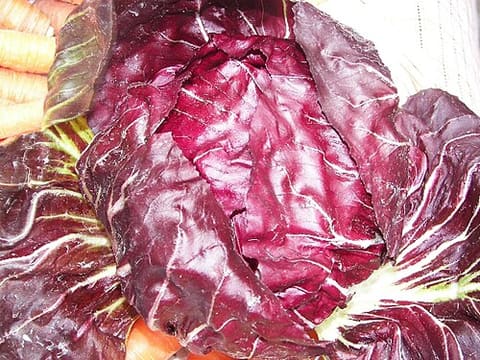
Radicchio
Red-and-white chicory with crisp, bitter leaves, eaten raw in salads or grilled until sweet.
No recipes yet
Salad leaves
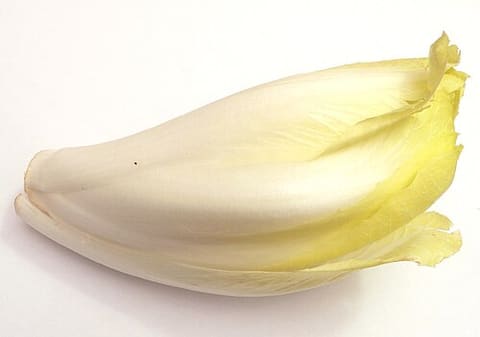
Endive
Bitter salad chicory: tight pale Belgian endive spears or curly frisée, eaten raw or braised.
2 recipes