
Drinks & liquids · Plant milks
Rice milk
Thin, naturally sweet plant milk from rice and water; a mild, allergen-friendly dairy alternative.
Also called: rice drink
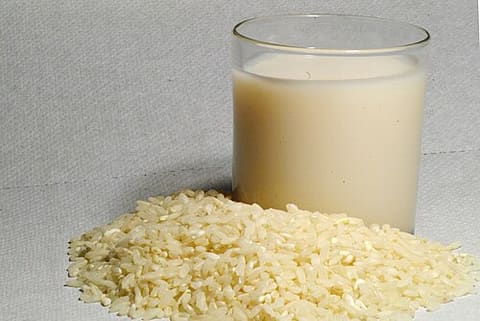
Photo: Daniele Pellati, via Wikimedia Commons (CC0-1.0)
What it is
Made by blending cooked rice or rice flour with water and enzymes, which turn some starch into sugar, giving natural sweetness. It is the thinnest and least creamy of common plant milks and very low in protein. Usually fortified and often enriched with oil.
How it’s used
- On cereal and in smoothies
- Rice puddings and desserts
- Baking where a thin milk works
- Allergen-friendly cooking for people avoiding dairy, soy and nuts
Characteristics
- Taste
- Sweet and mild.
- Texture
- Thin and watery.
- Appearance
- Translucent off-white.
- When cooked
- Does not froth or thicken well; custards and sauces may need extra starch.
- Sold as
- liquid
- Cooking uses
- Usually eaten raw, Commonly cooked
- Common in
- International
Storage
Refrigerated. Keep unopened long-life cartons in the cupboard; refrigerate after opening and use within about a week.
Diet, allergens and safety
No major allergens in typical versions.
- Vegetarian
- Vegan
- Dairy-free
- Egg-free
- Gluten-free
- Nut-free
- Soy-free
- Caffeine-free
- Generally free of the major allergens; check labels for cross-contact. Not a nutritional replacement for milk for young children.
Nutrition per 100 g
- Energy
- 47 kcal
- Protein
- 0.28 g
- Carbohydrate
- 9.17 g
- Fat
- 0.97 g
- Fibre
- 0.3 g
- Sugars
- 5.28 g
USDA FoodData Central: Beverages, rice milk, unsweetened.
Substitutes
Optional — what works if you don’t have it, and how it changes the dish.
- Oat milk — Same amount; creamier.
Related ingredients
Recipes with rice milk
No recipe in the catalogue uses it yet.