
Drinks & liquids · Coffee
Decaffeinated ground coffee
Roasted coffee that has had most of its caffeine removed before roasting, ground for brewing like regular coffee.
Also called: decaf coffee, decaf ground coffee, decaffeinated coffee, decaf beans, swiss water decaf
A kind of finely ground coffee
What it is
Green coffee beans are decaffeinated before roasting, using water (as in the Swiss Water process), liquid carbon dioxide or a solvent such as ethyl acetate or methylene chloride, which is then removed. The beans are roasted and ground as usual. Decaf is low in caffeine, not caffeine-free: a small amount always remains.
How it’s used
- Espresso and milk drinks in the evening
- Filter, French press and pour-over coffee
- Coffee desserts where you want the flavour without much caffeine
Characteristics
- Taste
- Similar to regular coffee of the same roast, often a little flatter or sweeter; good decafs are hard to tell apart in milk drinks.
- When cooked
- Often extracts slightly faster than regular coffee, so espresso may need a finer grind.
- Sold as
- ground, whole
- Cooking uses
- Commonly cooked
- Common in
- International
Storage
Cool, dry and dark. Keep in an airtight, opaque container away from heat and light; use within a few weeks of opening for the best aroma.
Diet, allergens and safety
No major allergens in typical versions.
- Vegetarian
- Vegan
- Dairy-free
- Egg-free
- Gluten-free
- Nut-free
- Soy-free
- Caffeine-free
- Decaf still contains a little caffeine; people told to avoid caffeine completely should ask a health professional.
Nutrition per 100 g
- Energy
- 353 kcal
- Protein
- 12.2 g
- Carbohydrate
- 75.4 g
- Fat
- 0.5 g
- Fibre
- 0 g
- Sugars
- 0 g
USDA FoodData Central: Beverages, coffee, instant, regular, powder (a close stand-in).
Substitutes
Optional — what works if you don’t have it, and how it changes the dish.
- Roasted ground barley (orzo) — Caffeine-free, but a different, malty drink rather than coffee.
Related ingredients
Recipes with decaffeinated ground coffee
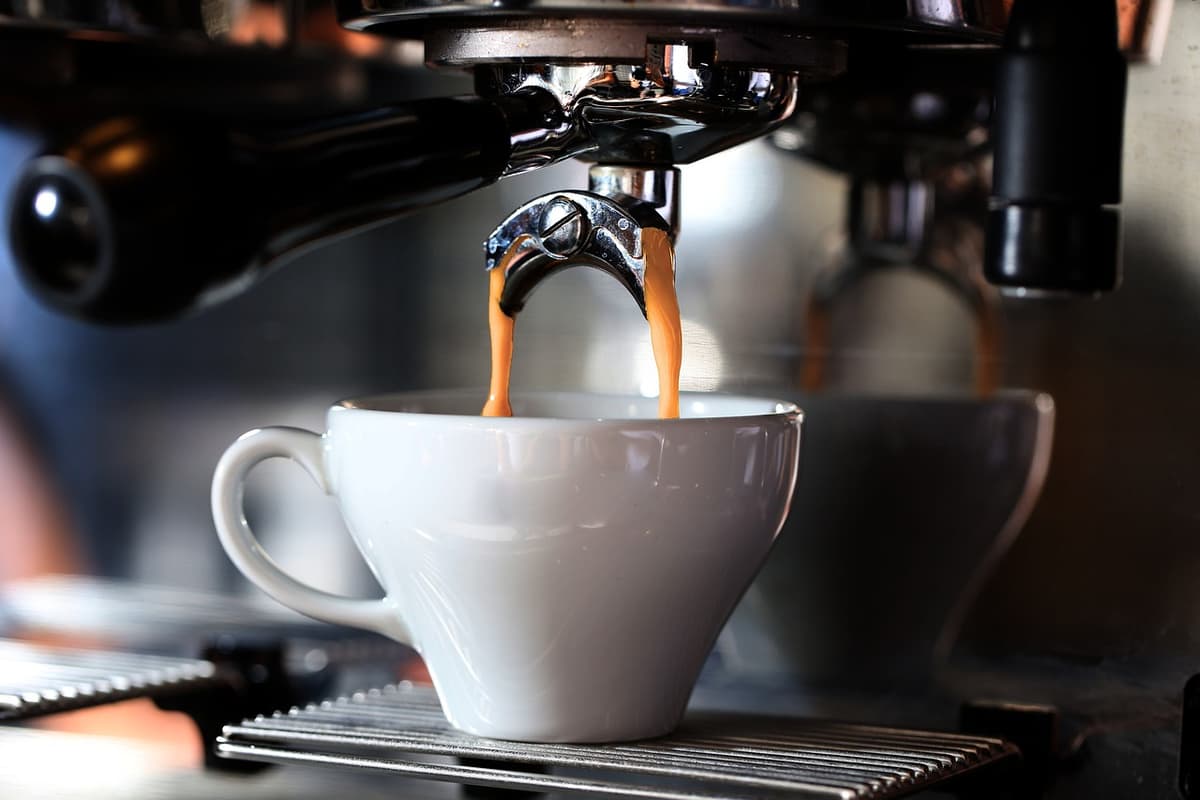
Decaf espresso
 Italian · 4 min · 4 kcal · Vegan
More coffee
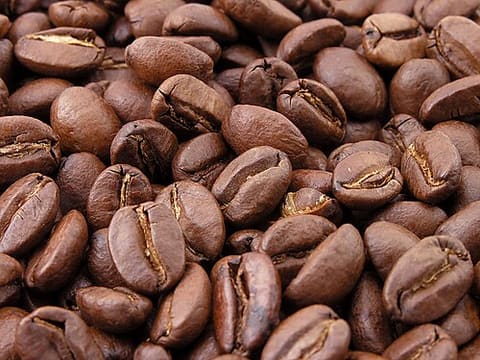
Coffee
Brewed coffee
Brewed coffee from roasted ground beans; drunk hot or iced and used to flavour tiramisu, cakes and braises. Contains caffeine.
53 recipes
Coffee
Espresso
Small, concentrated shot of coffee forced through fine grounds under pressure; used in tiramisu and coffee desserts. Contains caffeine.
28 recipes
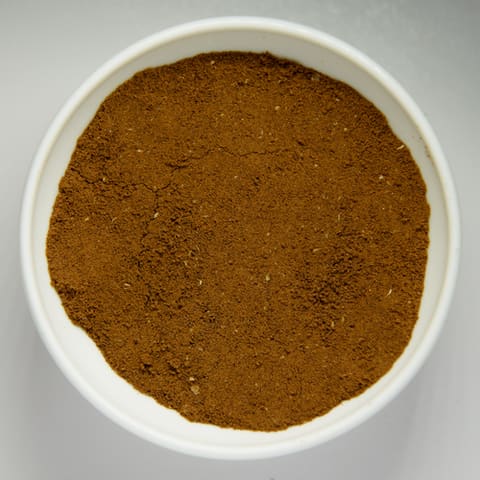
Coffee
Finely ground coffee
Roasted coffee beans ground for brewing; finely ground for Turkish and Arabic coffee. Contains caffeine.
20 recipes
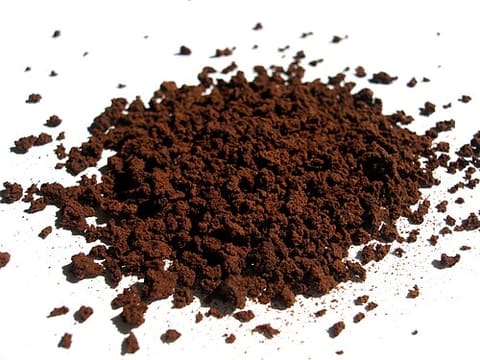
Coffee
Instant coffee
Freeze- or spray-dried coffee granules that dissolve in hot water; handy for baking and quick coffee. Contains caffeine.
2 recipes
Coffee
Decaf espresso
An espresso shot pulled from decaffeinated coffee, for milk drinks and short coffees with far less caffeine.
1 recipe