
Vegetables · Squash & gourds
Chayote
Pale-green, pear-shaped squash with crisp, mild flesh, cooked in soups, stir-fries and stews or eaten raw.
Also called: sayote, christophene, cho cho, mirliton, labu siam
Around the world: sayote (tl) · labu siam (id)
What it is
Chayote is a wrinkled, pear-shaped gourd with pale-green skin (sometimes prickly) and crisp, white, watery flesh around a single soft seed. It is milder and firmer than zucchini, holding its crunch when cooked. The skin can be tough and the cut flesh exudes a sticky sap.
Sechium edule
How it’s used
- Simmered in soups (tinola, sopa)
- Stir-fried with garlic or shrimp
- Stuffed and baked
- Julienned raw in salads
- Added to curries and stews
Characteristics
- Taste
- Very mild, like a cross between cucumber and squash.
- Texture
- Crisp and juicy; tender-crisp cooked.
- When cooked
- Keeps some crunch even after cooking; absorbs flavours.
- Sold as
- fresh
- Cooking uses
- Commonly cooked, Usually eaten raw, Suitable for boiling
- Common in
- Mexican, Filipino, Caribbean, Central American, Indonesian, Chinese, Brazilian
Storage
Refrigerated. Refrigerate in a bag; use within a week or two, while firm.
Diet, allergens and safety
No major allergens in typical versions.
- Vegetarian
- Vegan
- Dairy-free
- Egg-free
- Gluten-free
- Nut-free
- Soy-free
- Caffeine-free
- The sap can irritate skin; peel under running water or wear gloves.
Nutrition per 100 g
- Energy
- 19 kcal
- Protein
- 0.82 g
- Carbohydrate
- 4.51 g
- Fat
- 0.13 g
- Fibre
- 1.7 g
- Sugars
- 1.66 g
USDA FoodData Central: Chayote, fruit, raw.
Substitutes
Optional — what works if you don’t have it, and how it changes the dish.
- Zucchini — Cooks faster and softer.
- Green (raw) papaya — In Filipino soups; firmer.
Related ingredients
Recipes with chayote
Caldo de res
 Mexican · 2 h 50 min · 315 kcal
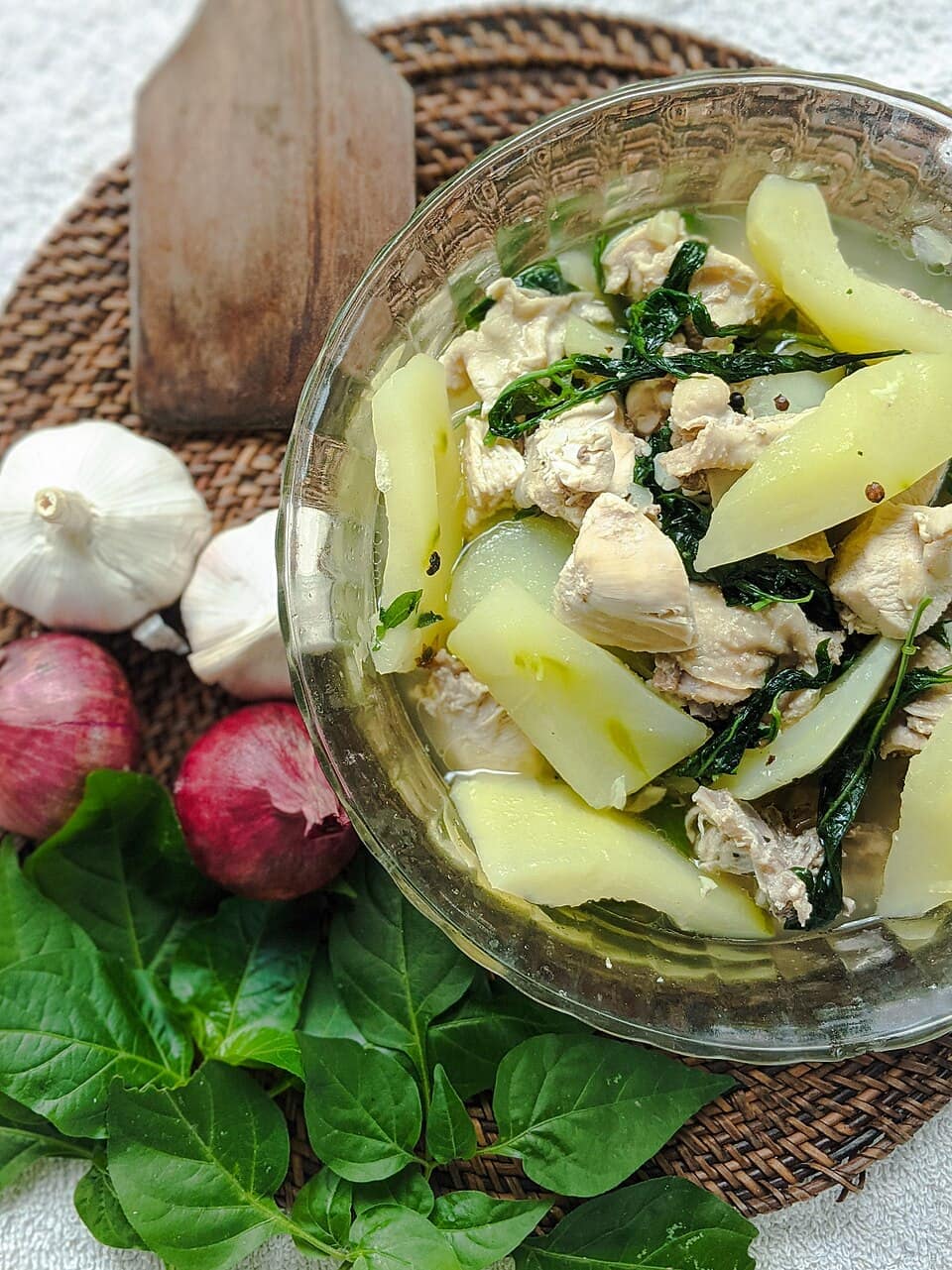
Chicken tinola
 Filipino · 1 h · 491 kcal
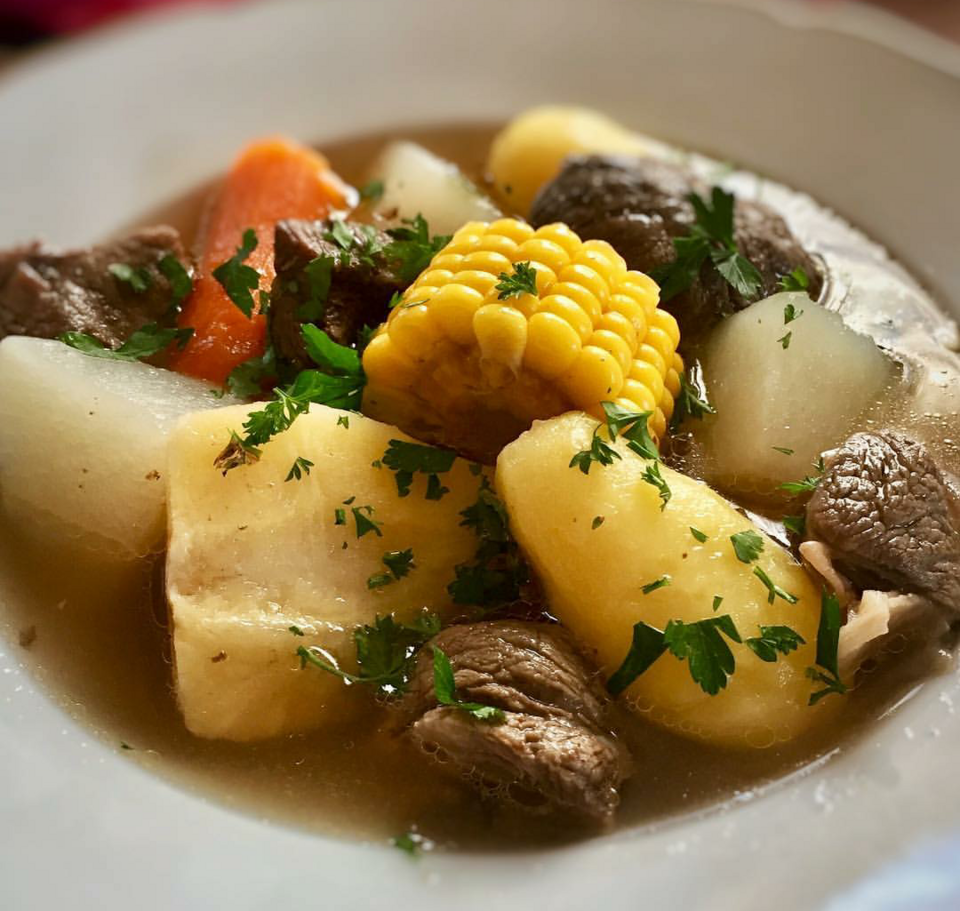
Olla de carne
 Costa Rican · 2 h 45 min · 365 kcal
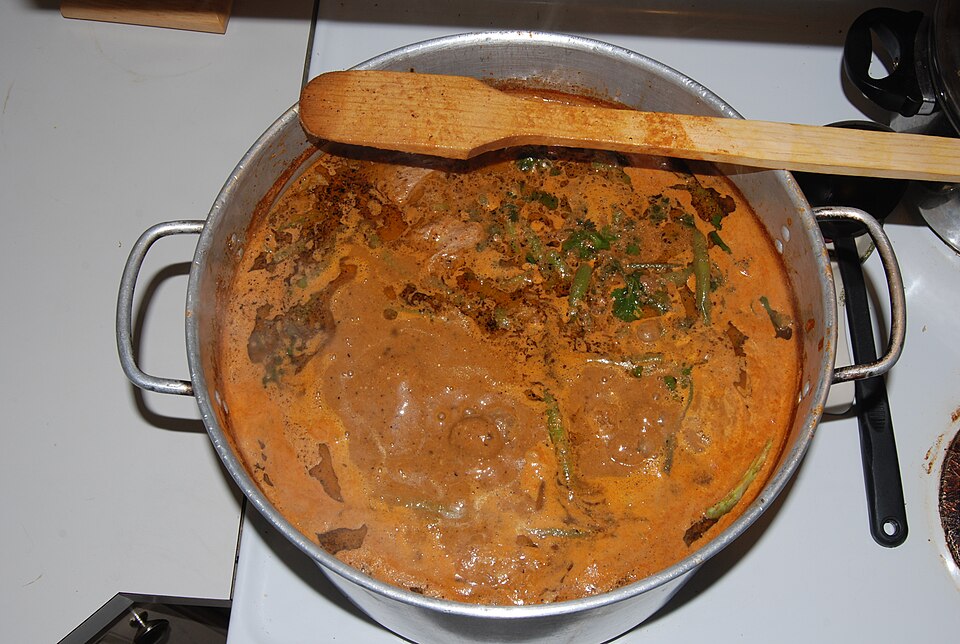
Pepián de pollo
 Guatemalan · 1 h 45 min · 712 kcal
Sayur lodeh
 Indonesian · 55 min · 408 kcal
More squash & gourds
Squash & gourds
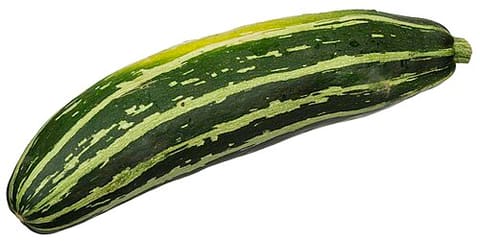
Zucchini
Tender green summer squash (courgette) with mild flesh, grilled, sautéed, stuffed or grated into bakes.
23 recipes
Squash & gourds
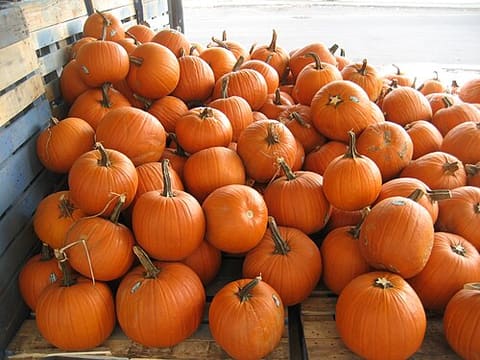
Pumpkin
Hard-skinned winter squash with sweet orange flesh, used in curries, soups, roasts, pies and breads.
29 recipes
Squash & gourds
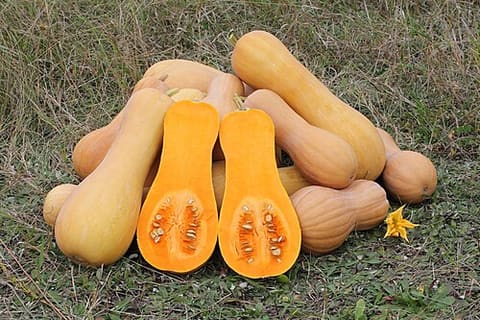
Butternut squash
Bell-shaped winter squash with smooth beige skin and sweet, dense orange flesh; easy to peel and roast.
3 recipes
Squash & gourds
Ash gourd (winter melon)
Large wax-coated gourd (winter melon) with mild white flesh, used in soups, curries and petha sweets.
2 recipes
Squash & gourds
Bitter melon
Warty green gourd (karela, ampalaya) with a strong bitter taste; stuffed, fried or stir-fried.
1 recipe